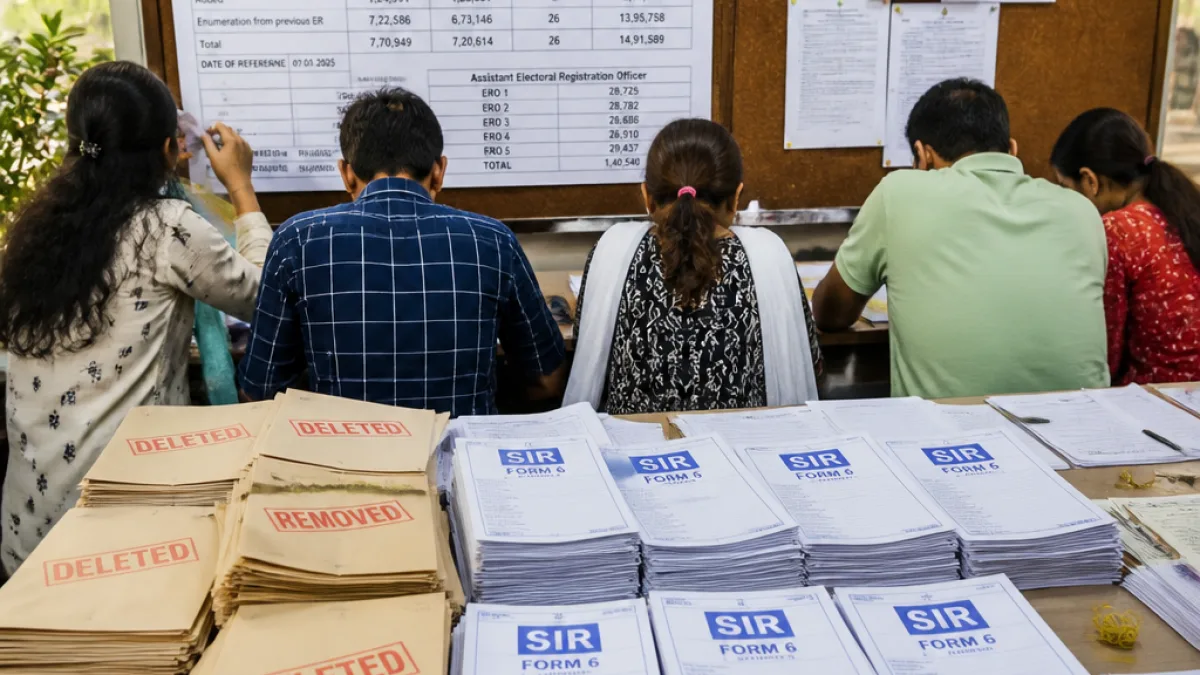
New Delhi: A nationwide Special Intensive Revision (SIR) of electoral rolls has resulted in the removal of roughly 130 million names, according to the report, triggering mass protests, legal challenges and hardship for voters who say they have been wrongly struck off.
Scope of removals and immediate impact
The draft rolls published on August 31 by the poll administration show extensive deletions across states and Union Territories. In the national capital alone, about 4.2 million electors were omitted from the draft list, the report said. Affected citizens include those listed as duplicate, shifted, deceased or otherwise ineligible.
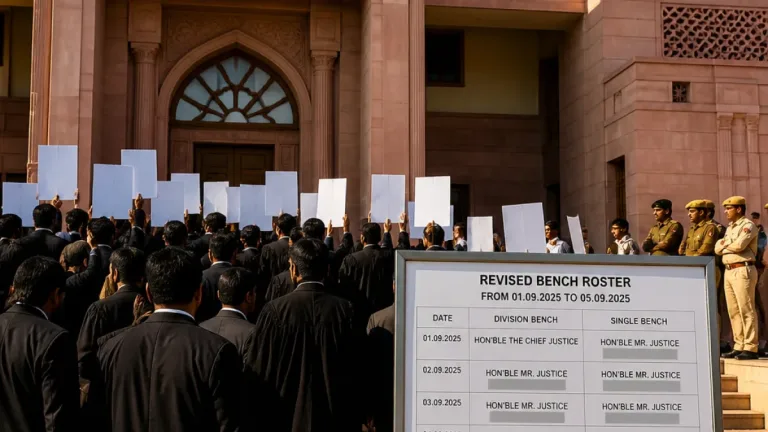
The removals have prompted near-daily demonstrations by opposition parties and youth groups in Delhi and elsewhere. Police responses to some of these protests have been reported as forceful, according to the account.
Human consequences: proving one is alive
The administrative process to restore names can be onerous. The case of Kamta Prasad, a 53-year-old tailor in Delhi, was cited to illustrate practical effects: after being removed from the roll and recorded as dead, he has been visiting government offices to reverse the notation, foregoing his daily earnings of ₹250 to pursue paperwork for himself and his family, the account said.
"I panicked when I heard about it," the report quoted Prasad as saying.
Volunteer groups monitoring the exercise said deletions were widespread at the local level. Rajendra Kumar, a volunteer with non-profit Jan Sarokar, was quoted as saying about 2,000 of roughly 9,000 voters in one block were removed under categories such as absent, shifted, deceased or registered elsewhere.
Political fallout and official responses
Opposition parties have accused the Election Commission and its chief, Gyanesh Kumar, of manipulating the revision to favour the ruling party at the Centre. The poll body and the Bharatiya Janata Party have denied any such manipulation, the report added.
The Election Commission has defended the SIR as an exercise to excise duplicate, deceased, shifted and otherwise ineligible electors. It has said that those excluded in error may file claims, submit supporting documents and pursue appeals before the rolls are finalised.
Procedures, challenges and barriers
Restoration procedures vary depending on the reason for deletion. Citizens may need to:
- Provide proof of life where recorded as deceased;
- Establish residency when marked as shifted or absent;
- Produce identity or address documents to correct alleged discrepancies;
- File formal claims and follow appeals timelines set by the electoral authorities.
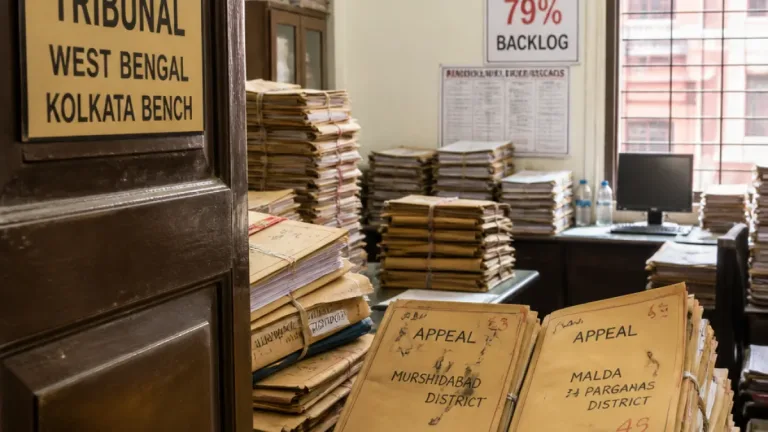
For low-income daily-wage earners, navigating these steps can impose significant economic costs and practical barriers, the report highlighted.
| Item | Figure |
|---|---|
| Names removed nationwide | 130 million |
| Deleted from Delhi draft rolls | 4.2 million |
| Daily wage mentioned in case | ₹250 |
| Draft rolls published | 31 August (by poll body) |
The report notes that the scale of deletions — and the range of reasons given for removal — have made the revision the most contentious electoral exercise confronting the Modi government in the current period.
What remains unresolved
Key questions remain open: the final tally after claims and appeals, the time taken to resolve individual grievances, and whether administrative safeguards will be strengthened to prevent erroneous removals. The report emphasises that while the Election Commission says remedies are available, many removed electors face a bureaucratic maze to regain voting rights.
The coming weeks are likely to see sustained political mobilisation and legal challenges as parties and civil society groups press for expedited corrections and transparency in the revision process, the report concluded.