JAMMU: The CSIR-Indian Institute of Integrative Medicine (CSIR-IIIM), Jammu, on Sunday inaugurated a three-day health check-up camp under the Phenome India–CSIR Health Cohort Knowledge Base (PI-CHeCK) initiative as part of a nationwide effort to strengthen preventive healthcare and generate large-scale health data for precision medicine.
National research drive on preventive care and personalised medicine
The camp, organised from 25 to 27 October, is intended for the institute’s serving employees, pensioners and their spouses, and is expected to enrol about 150 voluntary participants, a CSIR-IIIM spokesperson said. The exercise forms a component of a larger PI-CHeCK effort being implemented across the network of 37 CSIR laboratories nationwide to create an integrated health cohort knowledge base.
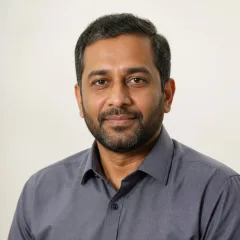
Addressing the gathering at the inauguration, Dr Zabeer Ahmed, Director of CSIR-IIIM Jammu, underlined the role of the programme in mapping health patterns among the Indian population and in informing disease prevention, early detection and individualised treatment strategies. The initiative is being undertaken under the mentorship of Union Minister for Science and Technology and Vice President of CSIR, Dr Jitendra Singh, according to the institute.
Officials said the PI-CHeCK platform seeks to combine large-scale health information with advanced computational methods such as Artificial Intelligence (AI) and Machine Learning (ML) to identify potential diagnostic and prognostic biomarkers related to various diseases. The data, it is hoped, will provide a scientific foundation for tailoring precision-medicine approaches to the Indian population and contribute to the government’s goals of Swasth Bharat and Viksit Bharat through evidence-based interventions.
What participants will undergo
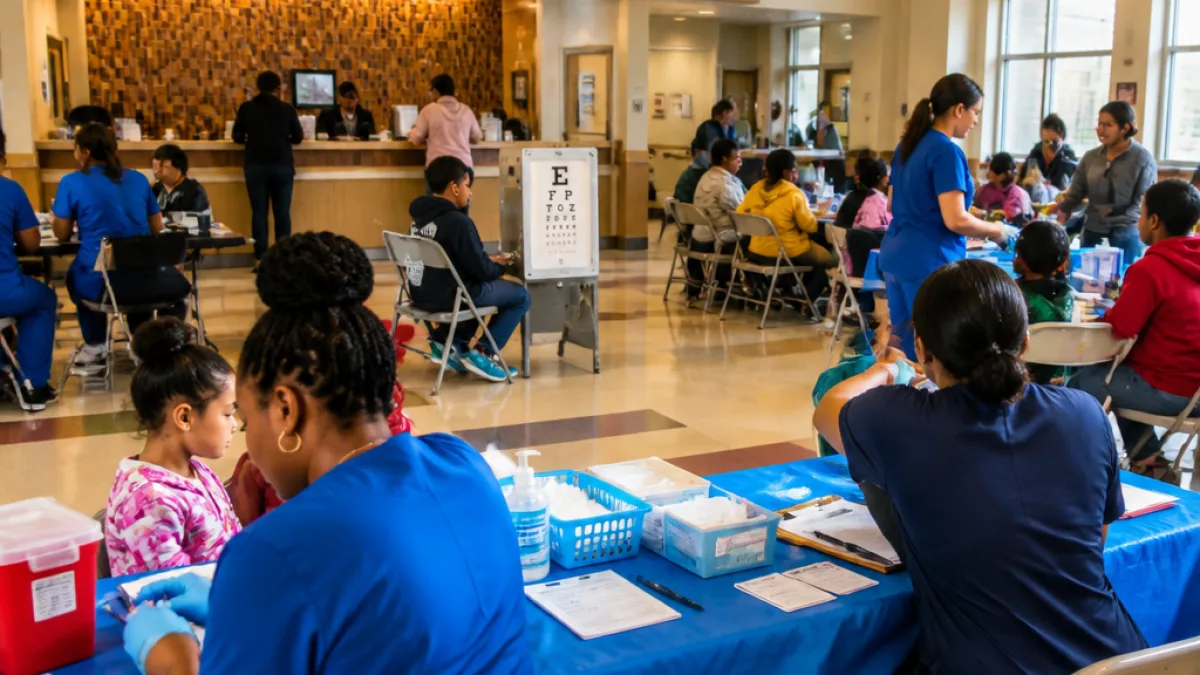
During the three-day camp, participants will be offered a range of health assessments, the spokesperson said. These include basic clinical screening and biochemical tests, and extend to functional evaluations such as lung function tests, among other assessments carried out at designated testing stations. Following the inauguration, Dr Ahmed inspected facilities, reviewed arrangements and interacted with scientists, healthcare personnel and volunteers involved in the camp.
- Duration: 25–27 October
- Target beneficiaries: CSIR-IIIM employees, pensioners and spouses
- Projected participants: Around 150 volunteers
- Network reach: Implementation across 37 CSIR laboratories
Data integration and research implications
CSIR officials said the PI-CHeCK initiative aims to establish a comprehensive health database by integrating diverse health parameters with computational analytics. The expected outputs include identification of biomarkers that can improve diagnostic accuracy and prognostic assessments, and inform early intervention protocols. Such databases, when ethically governed and analysed, can strengthen public-health planning and enable researchers to propose population-specific therapeutic strategies.
Dr Ahmed commended the organising team and encouraged active participation by the institute community. The success of the camp, organisers said, depends on voluntary enrolment and the quality of data collected during the assessments.
Broader context and reader guidance
The PI-CHeCK activity at CSIR-IIIM is part of a growing emphasis in India on cohort studies and health informatics to support precision public health. National-level initiatives that systematically collect clinical, biochemical and functional health data are increasingly seen as essential for tailoring interventions to local disease patterns.
Readers should note that participation in such camps is voluntary and the information collected is intended for research and public-health planning. For personal medical concerns or conditions, consult a qualified healthcare professional. The findings from cohort projects like PI-CHeCK may take time to yield actionable clinical tools, and individual medical decisions should continue to be based on direct medical consultation.
| Item | Detail |
|---|---|
| Dates | 25–27 October |
| Participants (expected) | ~150 |
| CSIR network laboratories | 37 |
CSIR-IIIM said the camp reflects an ongoing push to combine traditional strengths in laboratory science with modern data-driven approaches, and to translate research findings into improved strategies for disease prevention, early diagnosis and personalised care tailored to the Indian population.
Note: This report is based on details provided by CSIR-IIIM Jammu. For individual health advice, consult your physician.