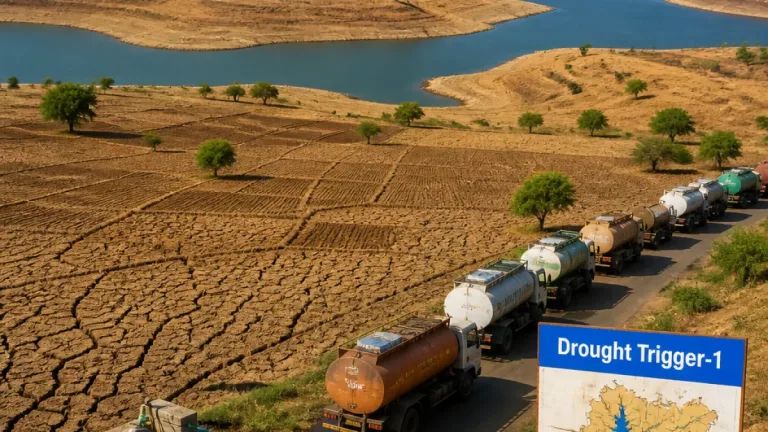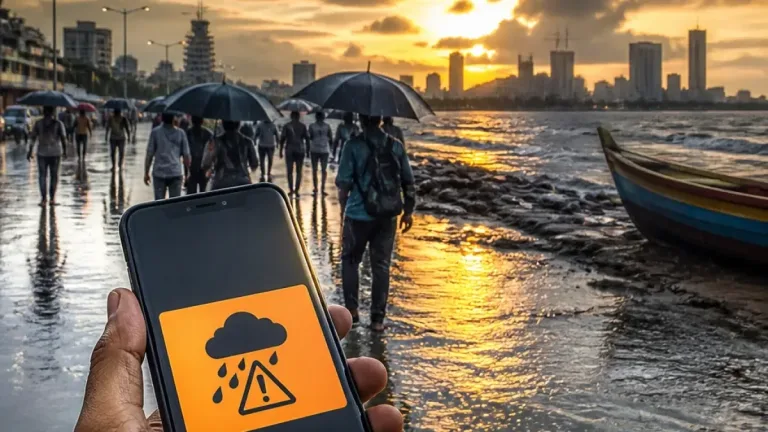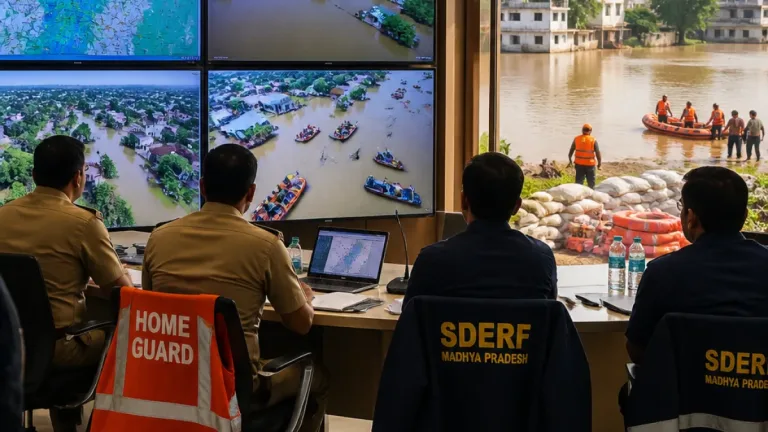
New Delhi: India’s recent decision to formally recognise heatwaves as natural disasters has thrown into relief the country’s reliance on domestic resources to cope with rising temperatures and amplified calls for predictable international support ahead of the UN climate conference (COP31) in Turkiye.
Large adaptation needs, limited external support
India’s first Adaptation Communication to the UN (submitted at COP28) places its cumulative adaptation expenditure requirement at ₹56.68 trillion by 2030. Yet government data cited in the communication shows that about 98 per cent of the adaptation finance currently being used in India comes from domestic sources, leaving only a small fraction reliant on external flows.
| Item | Figure / Note |
|---|---|
| Cumulative adaptation need (by 2030) | ₹56.68 trillion |
| Share of adaptation finance from domestic sources (2025 data) | 98% |
Officials warn of constrained response capacity
Officials and disaster-management experts say this heavy dependence on national and state budgets limits the speed, scale and technological sophistication of heat adaptation measures. They argue that access to international finance and appropriate technologies — for example, efficient cooling — would permit more comprehensive action on early warning systems, urban heat management and public health preparedness.
“This task would have been much simpler if we had a good amount of international assistance that allowed us to access funds for various heat adaptation measures,” said Krishna S Vatsa, member of the National Disaster Management Authority and Head of the Department.
Vatsa further highlighted that the current funding environment for adaptation is often inadequate and unpredictable, and stressed the need for steady, long-term funding streams to scale up implementation of heat action plans at the state and municipal levels.
Practical gaps and policy implications
Recognition of heatwaves as disasters formalises the need for disaster-mitigation funding to be channelled to heat-specific preparedness and response. Yet, given the heavy domestic burden, experts say the following constraints persist:
- Limited access to international adaptation finance and concessional loans tailored for heat-related infrastructure.
- Shortage of affordable, efficient cooling technologies and barriers to their large-scale deployment.
- Dependence on national and state disaster funds rather than predictable, multi-year external financing that would support long-term adaptation strategies.
The government’s economic survey data for 2025 underscores the dominance of domestic resources in meeting adaptation needs, signalling that unless international flows increase and become more reliable, states will continue to shoulder most of the financial burden for immediate climate survival measures.
What is needed before COP31
Ahead of COP31 in Antalya, observers expect the finance gap to be central to multilateral discussions. India’s position, as reflected in its Adaptation Communication and official statements, emphasises both the scale of the adaptation bill and the mismatch between needs and the funds that currently reach vulnerable countries.
- Scale up predictable, long-term adaptation finance that complements national budgets rather than replaces them.
- Improve access to technology and finance for efficient cooling and urban heat mitigation.
- Develop financing instruments that reduce the pressure on state disaster funds and support implementation of heat action plans across states and cities.
While national and state governments will continue to play a leading role in implementing heat response measures, policy-makers say steady international support could significantly accelerate the deployment of solutions and reduce climate vulnerability.
Overall, the disaster declaration for heatwaves has sharpened the debate on who pays for adaptation — and exposed the limits of relying almost entirely on domestic resources to protect communities in a warming world.