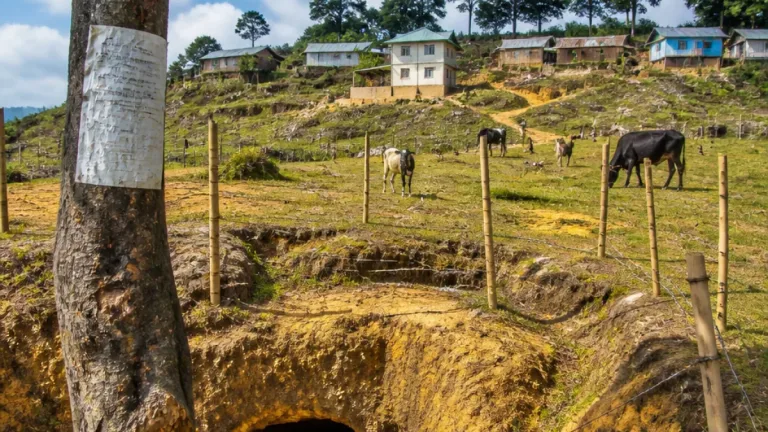

Sirpur's archaeology enters UNESCO preparatory stage
The Sirpur cultural and archaeological landscape in Chhattisgarh has been placed on UNESCO’s World Heritage Tentative List, becoming one of three Indian sites added in the latest update. The inclusion brings India’s total number of properties on the Tentative List to 81, a mandatory first step before any formal nomination for inscription as a World Heritage Site.
Located along the Mahanadi River in Mahasamund district, the Sirpur complex comprises a cluster of ancient remains that flourished under the Kosala Kingdom and the Panduvamshi dynasty. Archaeological evidence at the site includes remnants of Hindu temples and Buddhist monasteries, and material indicating historical trade links, according to the UNESCO nomination notice.
What the Tentative List designation means
Placement on the Tentative List does not guarantee World Heritage status. It initiates a period during which conservation authorities, archaeologists and other specialists prepare a comprehensive dossier to support a formal nomination to UNESCO. The dossier must demonstrate the site's 'Outstanding Universal Value' and include plans for protection, management and long-term conservation.
- Status: Tentative List (prerequisite to nomination)
- Location: Sirpur, Mahasamund district, along the Mahanadi River
- Principal features: Ancient temples, Buddhist monastic remains, archaeological material pointing to trade networks
Other sites added alongside Sirpur
The UNESCO update also named two geological sites in the Andaman and Nicobar Islands:
| Site | Region | Key characteristics |
|---|---|---|
| Karst-Mud-Volcano Complex of Baratang | Andaman & Nicobar Islands | Rare mud volcanoes and extensive limestone cave systems formed from marine deposits |
| Andaman Subduction Volcanoes | Andaman & Nicobar Islands | Includes Barren Island (South Asia's only confirmed active volcano) and Narcondam Island; important for geological and ecological research |
Local implications for conservation and tourism
For Chhattisgarh, Sirpur’s presence on the Tentative List raises questions about conservation priorities, funding and community involvement. Listing typically requires detailed surveys, conservation plans and management frameworks that involve multiple stakeholders, including archaeological researchers, state authorities and local communities. The inclusion can open avenues for technical assistance and international attention, but also imposes obligations to maintain and protect the site according to strict heritage norms.
Officials and specialists will need to compile archaeological data, legal protection measures and visitor management strategies as part of any future nomination dossier. The process is likely to involve:
- Comprehensive documentation of the site’s archaeological and historical assets.
- Assessment of conservation challenges, including environmental risks and anthropogenic pressures.
- Drafting of a site management plan that addresses preservation and sustainable tourism.
Next steps in the UNESCO process
Following placement on the Tentative List, central and state authorities, together with archaeologists, geologists and conservationists, will prepare the detailed nomination dossier required by UNESCO. The dossier must articulate how Sirpur meets one or more of UNESCO’s selection criteria and demonstrate robust protection and management arrangements.
While inclusion on the Tentative List draws international attention, the final decision on World Heritage inscription is taken through a future evaluation and nomination cycle. Observers note that this preparatory period is often lengthy and resource-intensive, requiring coordination between archaeological agencies, the state government and the Union Ministry of Culture.
Significance for regional history
Sirpur’s archaeological remains are significant for understanding early medieval central India, particularly the religious and cultural interplay of Hindu and Buddhist traditions under regional polities such as the Kosala Kingdom and Panduvamshi rulers. Recognition at the international level could amplify research opportunities and support conservation-led development in Mahasamund and neighbouring areas.
The addition of Sirpur to the Tentative List therefore marks the start of a formal, multi-step process that could, if successful, secure World Heritage recognition — with attendant responsibilities and opportunities for the state and local communities.