Precautionary vaccinations follow consumption of charanamrit made with milk from a suspected rabid animal
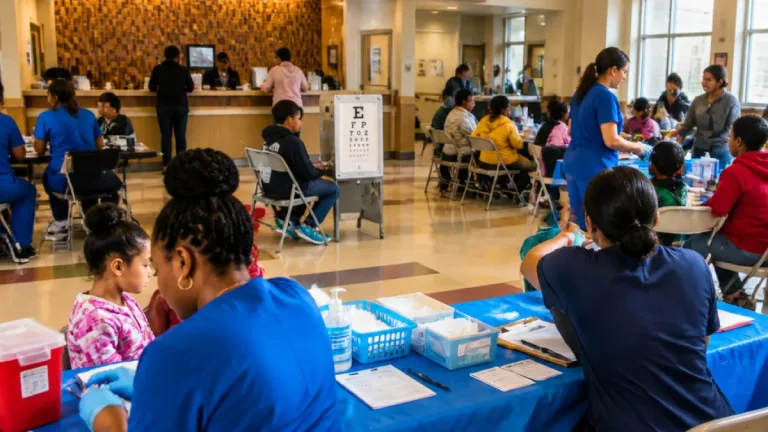
Health authorities in Gorakhpur administered anti‑rabies vaccinations to about 450 people after they consumed charanamrit prepared using milk from a cow that was reported to have shown unusual behaviour and later died, according to media reports. The cow was said to have been bitten by a stray dog, prompting concern among villagers and a public‑health response while investigations continue.
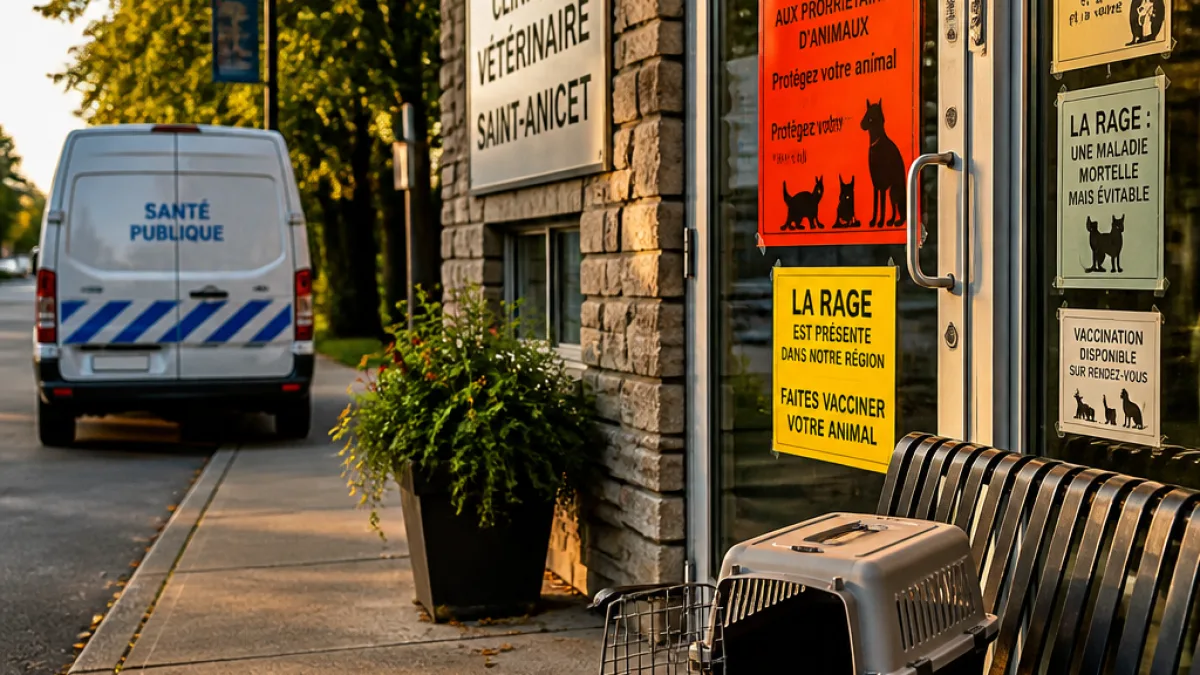
Medical experts emphasised that transmission of rabies through milk has not been demonstrated in humans, and that the usual established routes of human infection are via an infected animal's saliva entering the body through a bite, scratch, broken skin or the moist membranes of the eyes, nose or mouth.
"Rabies transmission through milk has not been demonstrated in humans," said Dr Sudhir Kumar, a Hyderabad physician, as reported by the media.
Despite the absence of documented milk‑borne transmission to humans, doctors and public‑health officials say raw milk from a suspected rabid animal should be avoided. The vaccination exercise in Gorakhpur was described in reports as a precautionary measure given the disease's near‑uniform fatality once clinical symptoms develop.
Officials have not confirmed that the cow was infected with rabies nor that the milk was the vehicle of any infection. The drive to vaccinate those who consumed the charanamrit reflects standard caution in the face of a potentially deadly disease when multiple people may have been exposed.
- Around 450 people received anti‑rabies prophylaxis after consuming the religious offering.
- Consumption involved charanamrit — milk used in a ritual context — prepared from the cow's milk.
- Health response was precautionary; investigations into the animal's cause of death and any direct exposures are ongoing.
Practically, clinicians assess exposures case by case to decide on post‑exposure prophylaxis (PEP). PEP is clearly indicated for bites, scratches or when saliva contacts mucous membranes or broken skin. Physicians reported in the media that mere ingestion of milk has not been an established indication for PEP in humans, but potential contact with saliva while handling or milking an animal may warrant assessment and treatment.
| Item | Detail |
|---|---|
| People vaccinated | About 450 |
| Exposure | Consumption of charanamrit made with milk from a cow suspected to have been bitten by a dog |
| Expert cited | Dr Sudhir Kumar (Hyderabad physician) — media report |
| Current public‑health stance | Precautionary vaccination and investigation; avoid raw milk from suspected animals |
Local clinicians and public‑health authorities in Gorakhpur are likely to continue targeted vaccination and surveillance until the investigation establishes the animal's diagnosis and rules out any direct saliva exposures. Similar precautionary responses have been recorded elsewhere when several individuals consumed unpasteurised milk from animals suspected of having rabies.
Public health advice distilled from the reports and expert comments includes:
- Avoid consuming raw milk from animals that appear ill or have died under unusual circumstances.
- Seek medical assessment promptly if bitten, scratched, or if there was possible contact of animal saliva with broken skin or mucous membranes.
- Follow local health‑department guidance on post‑exposure prophylaxis and vaccination campaigns.
Authorities have not released details of the affected villages or the identities of those vaccinated in the reports. The incident underscores the precautionary approach followed by health services when many people may be exposed to a pathogen that is nearly always fatal once symptomatic.