Scientific survey finds limited detectable impact but flags island vulnerability
A comprehensive assessment by the Chennai-based National Centre for Sustainable Coastal Management (NCSCM) has concluded that the sinking of the container vessel MSC Elsa 3 off the Kerala coast on May 25, 2025 did not cause measurable ecological or socioeconomic damage to the Lakshadweep archipelago.
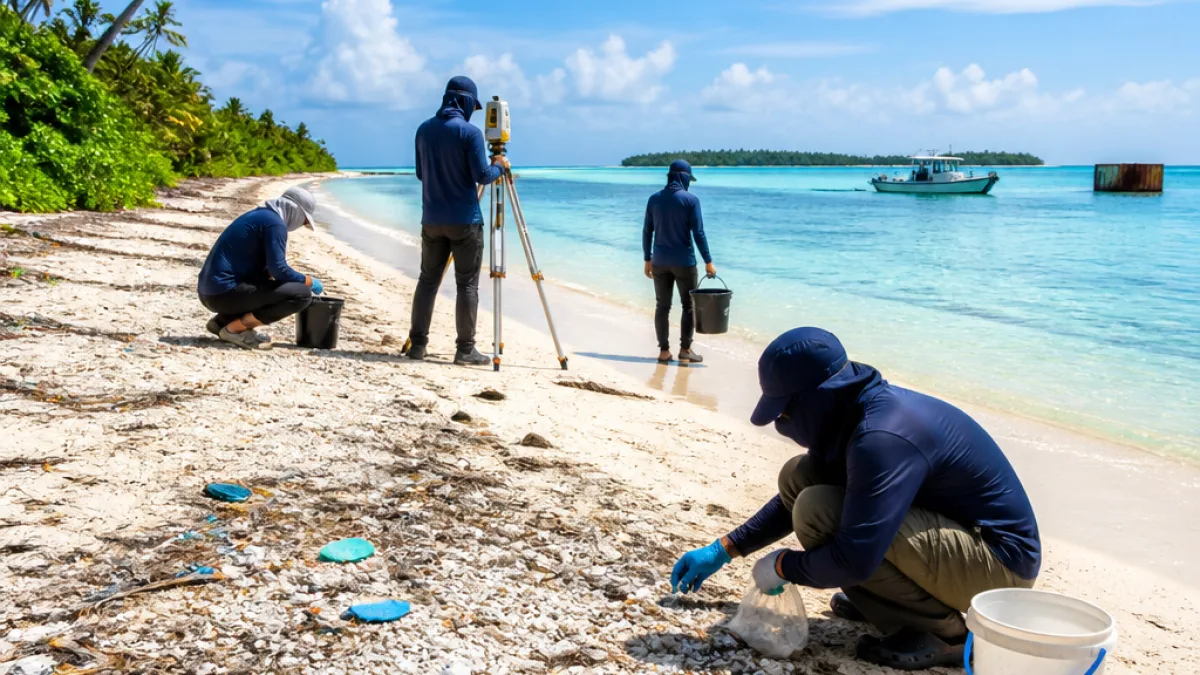
The study, undertaken at the direction of the Principal Bench of the National Green Tribunal (NGT), combined field surveys, laboratory analyses, remote sensing, numerical spill-trajectory modelling and stakeholder consultations focused on Kalpeni and Andrott islands. The vessel sank approximately 38 nautical miles off Kerala at an estimated depth of about 51 metres.
The NCSCM assessment noted that while material from the wreck — including pellets (nurdles) and some containers — had washed ashore on southern coasts, the surveys and analyses did not record measurable ecological degradation or tangible socioeconomic loss on Lakshadweep. The report emphasised that the conclusion derives from the specific metrics and timeframes covered by the study.
Details of the sinking provided in the assessment state that the vessel went down carrying 640 containers, including 13 containers with hazardous cargo and 12 containers with calcium carbide. The study examined the potential for drifting containers and spill trajectories and tracked shoreline deposition of pellets following the incident.
| Item | Count / Detail |
|---|---|
| Containers onboard | 640 |
| Hazardous cargo containers | 13 |
| Containers with calcium carbide | 12 |
Precautionary assessment, but lesson for preparedness
Although the NCSCM found no measurable damage to Lakshadweep's corals, lagoons and seagrass habitats within the parameters of the study, the report underscored the inherent vulnerability of remote island ecosystems to maritime accidents. It urged strengthened preparedness through science-informed measures.
Key research methods cited in the assessment included:
- Field surveys on selected islands to record shoreline deposits and biological indicators;
- Laboratory-based chemical and ecological analyses to detect contaminants or biological stress;
- Remote sensing to monitor wider-scale transport of debris and potential surface slicks;
- Numerical spill-trajectory modelling to project drift pathways of containers, pellets and potential contaminants;
- Stakeholder consultations to understand local perceptions, response capacity and socioeconomic concerns.
The NCSCM said these complementary approaches were applied because Lakshadweep's coral reefs, lagoons and seagrass beds are ecologically sensitive and warrant a precautionary, evidence-based assessment.
Recommendations stress systems and monitoring
While documenting the absence of measurable damage in this instance, the report highlighted areas that require attention to enhance resilience against future incidents. Recommendations in the assessment included:
- Establishing early warning systems for maritime incidents affecting island territories;
- Developing island-specific contingency planning tailored to local ecological and logistical realities;
- Creating coordinated inter-agency response mechanisms linking Union, state and island authorities;
- Maintaining sustained environmental monitoring to detect delayed or cumulative impacts.
The NGT had taken suo motu cognisance after an INCOIS advisory and media reporting that containers from the sunken ship could drift towards Kerala coasts within 48 hours. The tribunal directed the Union Ministry of Ports, Shipping and Waterways to submit details of States and Union Territories that may have suffered environmental damage following the wreck, prompting the NCSCM assessment for Lakshadweep.
Local implications and ongoing vigilance
The assessment's findings are likely to reassure local administrators and communities in the short term, but authorities and conservation scientists will note the report's emphasis on preparedness. Island ecosystems can be affected by delayed impacts, bioaccumulation or chronic contamination that may not be immediately measurable; the NCSCM therefore recommended continued monitoring.
By combining modelling, remote sensing and on-the-ground sampling, the study aimed to provide a science-based basis for response planning. The emphasis on coordinated contingency planning and early warning is intended to reduce response time and limit potential harm in future maritime accidents affecting the Arabian Sea and island territories.
The NCSCM study will form part of the evidence considered by the NGT and Union authorities as they review maritime safety, pollution response and protective measures for ecologically sensitive island regions such as Lakshadweep.