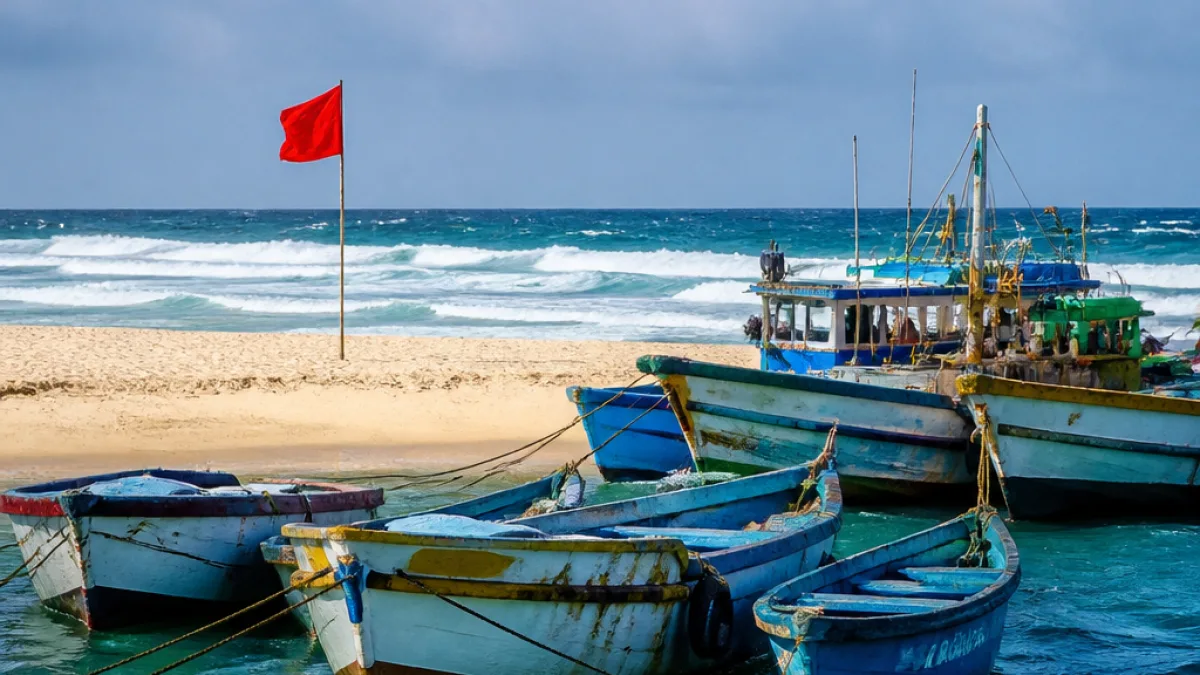
The Indian National Centre for Ocean Information Services (INCOIS) has issued a swell surge (Kallakkadal) alert for the Lakshadweep Islands, warning that high-period swells generated far out in the southern Indian Ocean have already reached Indian shores and could batter the coast. The advisory urged fishing vessels, including bottom trawlers and country craft, not to venture into the sea and recommended suspension of recreational beach activities.
What INCOIS has warned
According to an INCOIS bulletin released on Thursday, high waves ranging from 2.5–2.7 metres are expected to affect the coastal areas of Kerala, south Tamil Nadu districts and the Lakshadweep islands for two days from the evening of August 19. The autonomous centre, under the Ministry of Earth Sciences, tracks and forecasts ocean conditions during extreme weather, from high swells to storm surges.
"High-period swells generated far out in the southern Indian Ocean have already reached Indian shores," the INCOIS bulletin said.
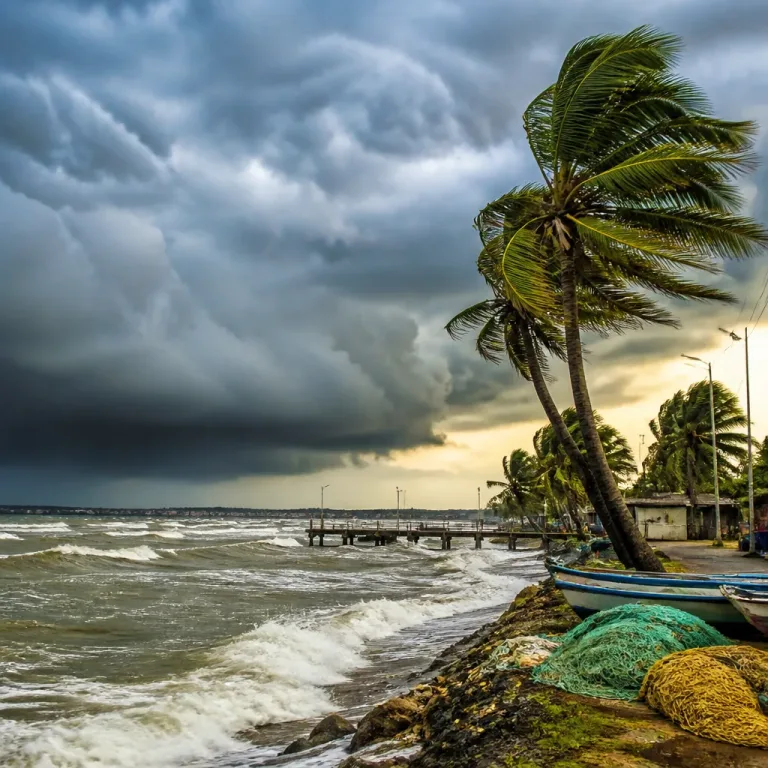
INCOIS explained that a swell surge—locally called Kallakkadal—forms differently from wind-driven choppy waves. Swells originate when a storm blows steadily over a vast open ocean area; they can travel long distances and arrive without the accompanying winds or storms that normally warn coastal communities of danger.
Local impact and precautions
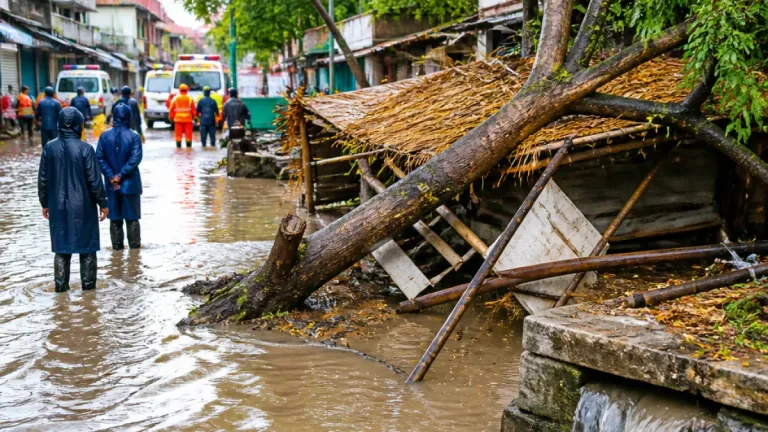
Swell surges can strike calm, sunny coastlines without local wind signs, catching fishermen and beachgoers off guard. The bulletin warned that swells of this nature can:
- flood low-lying settlements;
- damage boats and fishing gear;
- erode beaches and harm coastal livelihoods.
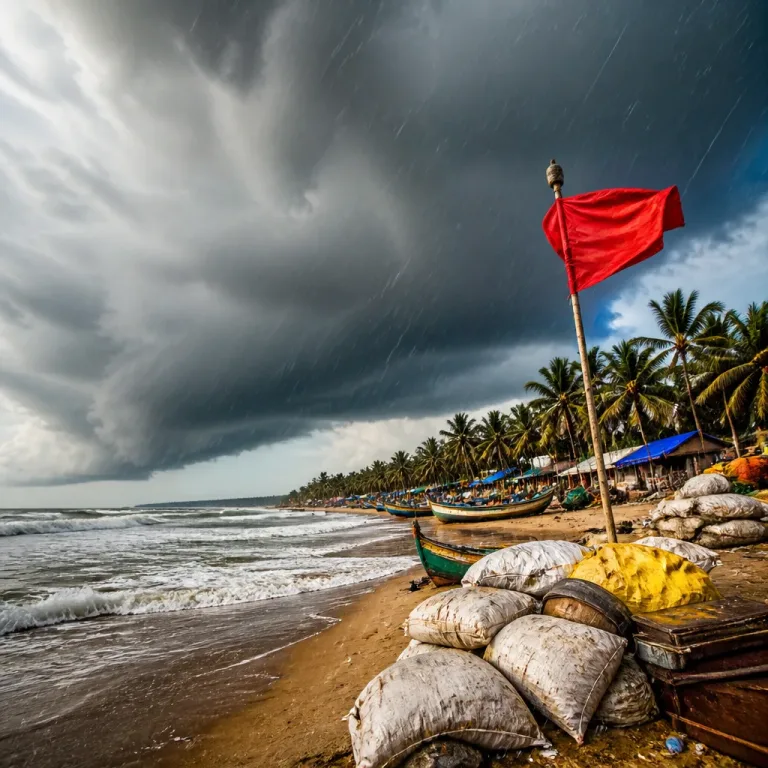
INCOIS specifically advised fishermen to anchor vessels at a safe distance from each other to avoid collisions and damage, and recommended that state administrations completely suspend all recreational activities along beaches until the advisory is withdrawn.
Reported operational responses on the mainland
The swell advisory has prompted precautionary actions along southern mainland coasts. In Thoothukudi, more than 4,000 country boats and 550 mechanised vessels were reported anchored. In Ramanathapuram district the sea conditions forced 1,500 mechanised vessels and 3,000 country boats to stay ashore, while administrations in several Tamil Nadu districts restricted tourist access to beaches.
| Region | Expected Wave Height | Advisory Duration |
|---|---|---|
| Kerala coast | 2.5–2.7 m | Two days from evening of Aug 19 |
| South Tamil Nadu | 2.5–2.7 m | Two days from evening of Aug 19 |
| Lakshadweep Islands | 2.5–2.7 m | Two days from evening of Aug 19 |
Practical advice for Lakshadweep residents and visitors
Residents, island administrations and tourists in Lakshadweep should follow standard precautions during Kallakkadal events. INCOIS guidance and common-sense measures include:
- Do not venture into the sea—this applies to fishing vessels, recreational watercraft and swimmers.
- Anchor vessels well apart and as instructed by local authorities to reduce collision risk.
- Suspend beach tourism and water-sport activities until official all-clear is declared.
- Move boats, gear and other valuables to higher ground where feasible and safe.
- Monitor local administration advisories, port notices and INCOIS updates.
Local administrations typically coordinate with port authorities, the coast guard and fishing associations during such events. Given that swell surges can arrive without surface wind signs, officials and communities are urged to treat INCOIS bulletins as authoritative and time-sensitive.
INCOIS issues regular ocean condition advisories and nowcasts; residents and marine operators can access the centre’s products through official channels for updates on wave height, swell direction and duration. Where available, island-level disaster management control rooms and port offices will relay further instructions tailored to local geography and infrastructure.
Authorities and communities are likely to issue further advisories as the situation develops. Fisherfolk and tourism operators should plan conservatively and treat the swell surge warning as an immediate operational risk until conditions return to normal.