Five alternatives to Goa for a quieter beach experience
India’s coastline offers a variety of seaside landscapes that can feel markedly different from Goa’s busiest stretches. Travel features highlighting Butterfly Beach (Goa), Chandipur (Odisha), Minicoy (Lakshadweep), Om Beach (Karnataka) and Perumathura (Kerala) point to distinct attractions — from dramatic low tides and sheltered coves to island lagoons and coconut‑lined shores. Yet the pieces caution that no destination is guaranteed to be empty: visitor levels depend on season, weekend and local conditions.
What each beach offers
These five spots were selected for unusual landscapes or relatively quieter surroundings, but each brings its own caveats. A concise look at what to expect:
- Butterfly Beach, Goa — Often reached as a boat excursion from Palolem (Canacona) and sometimes accessed via forest paths. Boat services, tides and safety vary; visitors should confirm arrangements rather than assume easy access or calm water.
- Chandipur, Odisha — Famous for an extreme low tide that can expose up to five kilometres of seabed, allowing visitors to walk far out. The sea returns with the tide, and the water is described as muddy and not suitable for bathing.
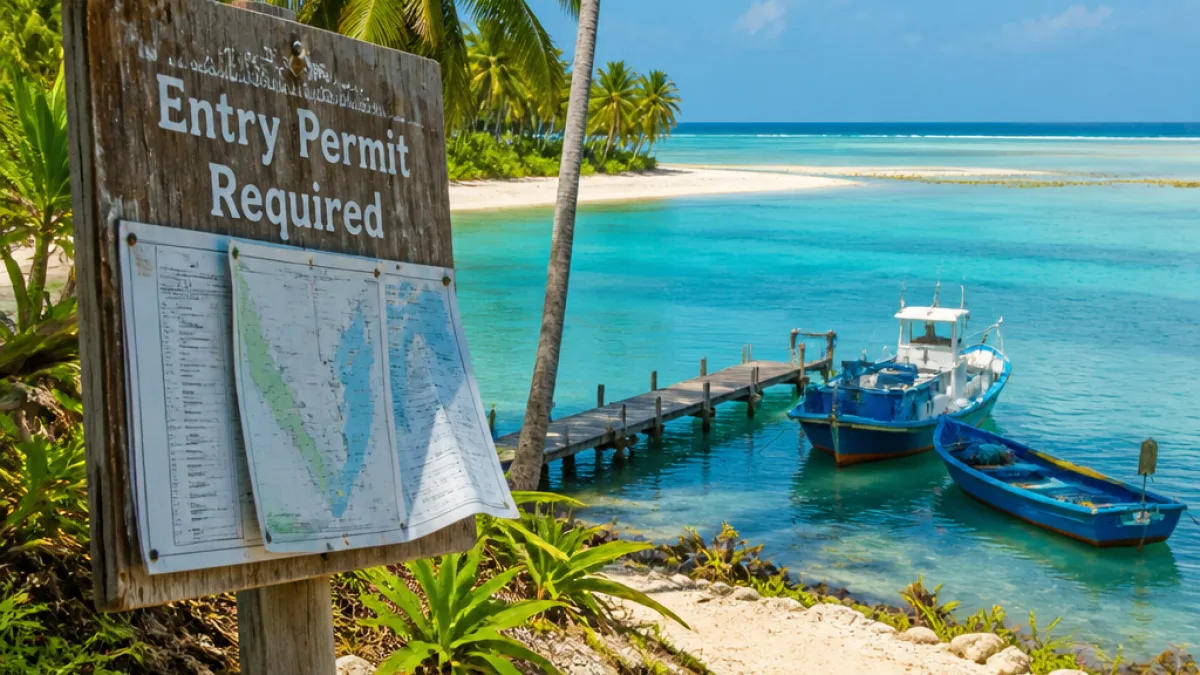
- Minicoy, Lakshadweep — One of the southernmost inhabited islands, noted for its lagoon, maritime culture and lighthouse. Crucially, every non‑native visitor must obtain an entry permit from the Lakshadweep Administration, so travel requires planning in advance.
- Om Beach, Karnataka — Named for its twin crescent inlets suggesting the shape of the Om symbol. It has shacks, boat rides and water activities, which can make it popular and occasionally busy; early morning visits may be quieter.
- Perumathura, Kerala — A coastal village in Thiruvananthapuram district with a sandy stretch, coconut groves and groynes; the nearby confluence of the Vamanapuram River and the Arabian Sea is a local feature. Visitors are advised to follow safety guidance around groynes, currents and fishing areas.
Practical travel notes and safety cautions
Travel writers and official tourism pages underline that visitor experience can shift with weather and local events. Key practical points to keep in mind:
- Plan ahead for Lakshadweep: Non‑native travellers to Minicoy must obtain an entry permit from the Lakshadweep Administration. This makes Minicoy an island destination that requires prior arrangements rather than an impromptu day trip.
- Check tide timings at Chandipur: The exposed seabed during low tide is a rare sight, but the sea returns — visitors should follow local guidance and avoid venturing into returning water without awareness of the tide schedule.
- Confirm boat and access conditions at Butterfly Beach: Boat availability and sea conditions can change; verify services and safety advice with local operators in Palolem or Canacona before setting out.
- Mind local hazards at Perumathura and Om Beach: Currents, groynes and busy activity areas require adherence to local safety instructions and attention to signage and advice from authorities or local fishers.
At a glance: beaches and key features
| Beach | Region | Notable feature |
|---|---|---|
| Butterfly Beach | Goa (Palolem/Canacona) | Cove; boat excursion; forest access |
| Chandipur | Odisha | Sea recedes up to 5 km; exposed seabed |
| Minicoy | Lakshadweep | Lagoon, lighthouse; entry permit required |
| Om Beach | Karnataka | Two crescent inlets; water activities and shacks |
| Perumathura | Kerala (Thiruvananthapuram) | Sandy beach, coconut groves, river confluence |
How to approach these destinations
Readers looking for quieter seaside experiences should treat these suggestions as starting points rather than guaranteed refuges. Seasonal shifts, holidays and local events can quickly alter crowd levels. For Lakshadweep specifically, administrative requirements mean travellers should secure permits well before departure and confirm any transport links that serve Minicoy.
For beaches with notable tide behaviour, such as Chandipur, check local tide charts and heed warnings from authorities. Where boat access is involved, verify operators’ availability and safety protocols. Finally, when visiting working fishing communities or areas with groynes, observe local instructions to avoid interfering with livelihoods and to reduce personal risk.