New Delhi: Actor Kangana Ranaut on Thursday criticised members of the Hindi film fraternity for what she described as a continuing “love affair” with Pakistan, and accused some industry figures of selective activism in the wake of recent protests at Jantar Mantar.
Comments linked to recent films and protests
Speaking to news agencies, Kangana referred to the theatrical and streaming conversation around films dealing with Partition and Indo‑Pak connections. Her remarks followed the arrival of Main Vaapas Aaunga on Netflix after a strong theatrical run and precede the release of Sunny Deol’s Batwara 1947, according to the report.
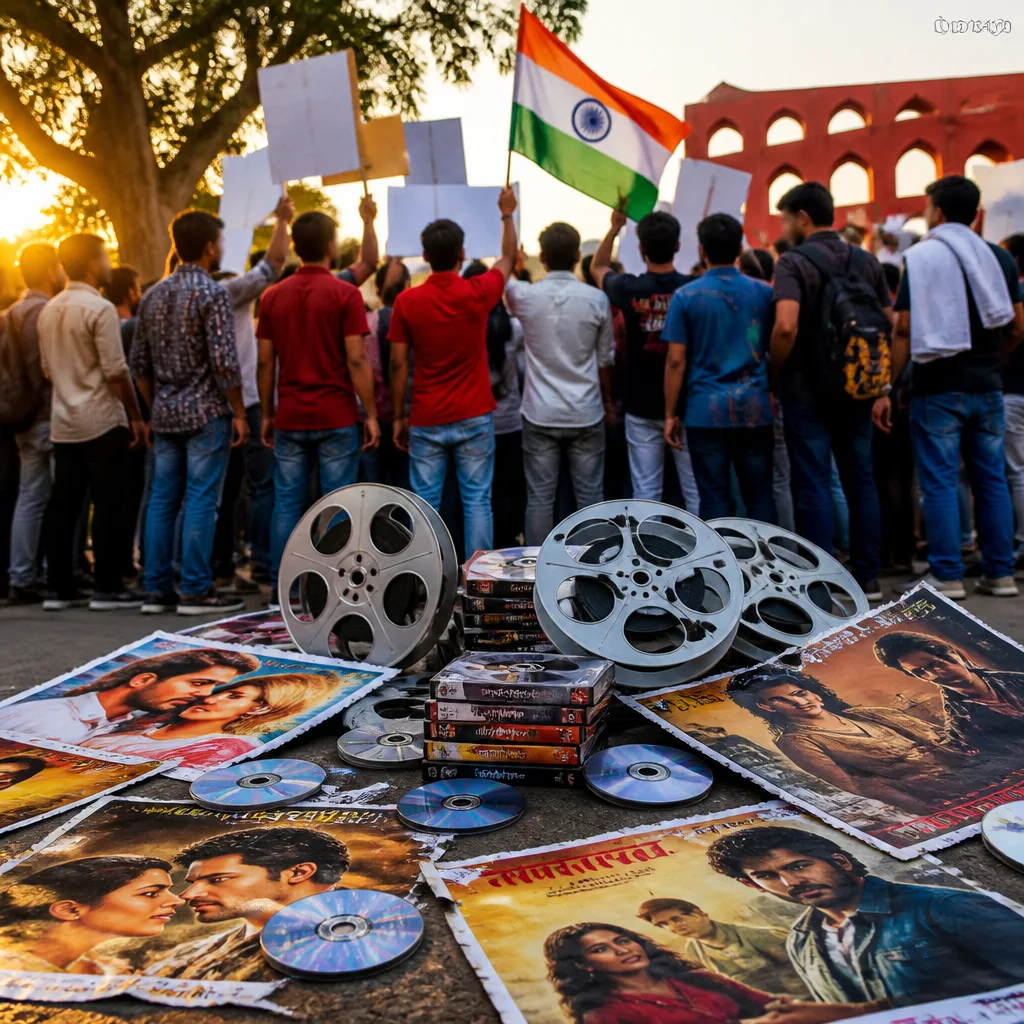
She criticised those in the industry who, she said, had expressed sympathy over demonstrations at Jantar Mantar but had not extended similar concern to other situations.
“The people in the film industry who shed crocodile tears over the Jantar Mantar protests ought to shed those same tears for the children in Jharkhand now. Those children are facing a plight too,”
Kangana added questions about the portrayal and preoccupation with Pakistan in films and public statements. “Whether it is their films, their statements, or their interviews, when will this love affair with Pakistan end?” she asked, saying industry members were answerable for a perceived obsession with the neighbouring country.
Targeted remarks and social media barbs
Earlier, the actor posted on Instagram Stories what many commentators linked to veteran actor Naseeruddin Shah. Writing in Hindi, she contrasted loyalties and said she was “proud” to fight for the country that feeds her, while suggesting Shah, who she said earns his livelihood in India, was fighting for the neighbouring country, according to the report.
In recent interviews, Naseeruddin Shah had criticised many film personalities for not supporting students who staged protests at Jantar Mantar. In a conversation with another news outlet he was quoted as saying that actors will speak up when their conscience prompts them and used a simile involving a dog with a bone in its mouth to describe hesitation among some.
Context and consequences for industry discourse
Ranaut’s comments bridge cultural, historical and political themes that often surface in public debate about cinema in India. Films that engage with Partition-era narratives and cross‑border themes tend to prompt statements about national memory, identity and artistic responsibility. The actor’s critique explicitly linked cinematic portrayals and public utterances to a broader expectation of patriotism and selective activism.
- Triggering works: The remarks referenced the Netflix release of Main Vaapas Aaunga and the upcoming Batwara 1947.
- Public personalities mentioned: The statements were widely read as directed at several industry figures, including Naseeruddin Shah.
- Core charge: Accusation of selective empathy and an ongoing preoccupation with Pakistan within parts of Bollywood.
The exchange underscores how statements by prominent actors can shift attention from films themselves to debates about national loyalty and the moral responsibilities of public figures. It also highlights tensions within the industry about how recent political protests are discussed in public fora.
| Item | Detail |
|---|---|
| Films referenced | Main Vaapas Aaunga (now on Netflix); Batwara 1947 (upcoming) |
| Individuals named or implied | Kangana Ranaut; Naseeruddin Shah (indirectly) |
| Main allegation | Selective activism and a persistent industry preoccupation with Pakistan |
The debate is likely to continue in public forums and on social media, where film personalities’ comments about history, politics and cross‑border themes frequently provoke wide discussion. Kangana’s statements contribute to that ongoing national conversation about the role of entertainers as public citizens and the intersection of cinema with political memory.
All remarks cited above were given in media interviews and social posts, as reported.