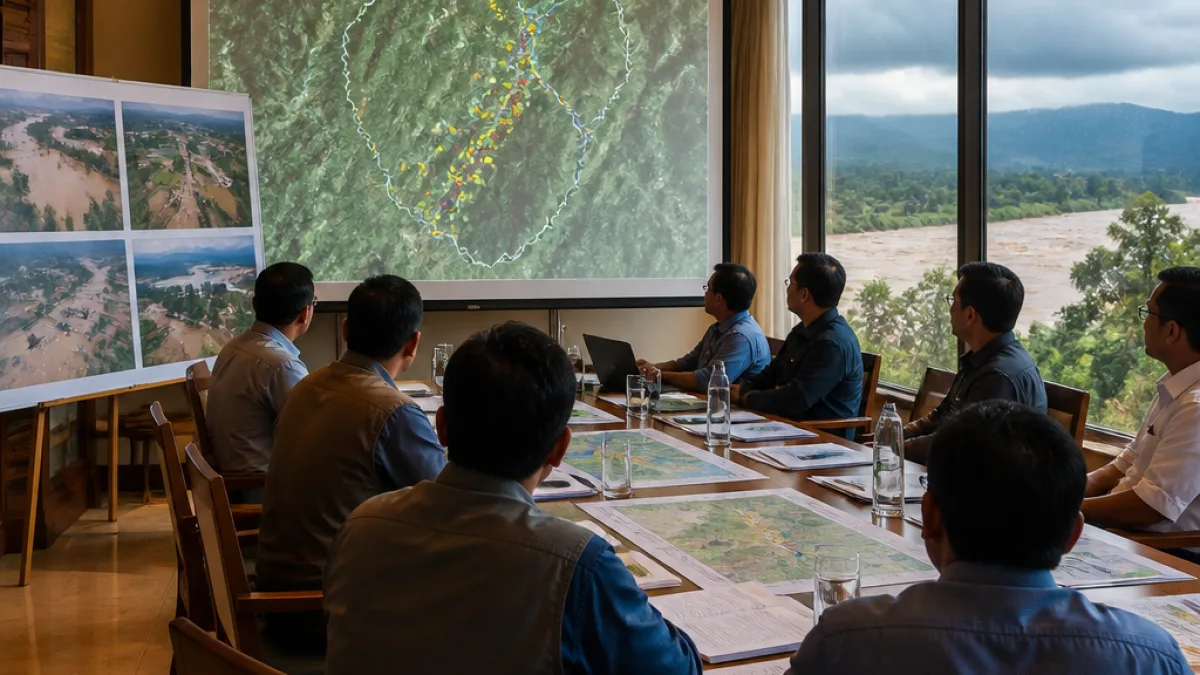
Chümoukedima: An Inter-Ministerial Central Team (IMCT) convened a briefing at Noune Resort, Chümoukedima, on August 11 to review the scale and impact of monsoon-related disasters in Nagaland, officials said.
Repeated heavy spells, isolated pockets
The IMCT was briefed by state disaster officials on a pattern of severe and recurring flood events that began on July 19 and intensified with a major spell on August 3, causing widespread disruption across several districts, the Department of Information and Public Relations (DIPR) reported. State advisor for the NSDMA, Z. Nyusiethio Nyuthe, said the unusual spatial variability of rainfall this year left some areas hit by severe flooding while others remained comparatively dry.
"Nagaland had witnessed severe and recurring flood events since July 19, with another major spell reported on August 3, causing widespread disruption across several districts," Nyuthe was reported as saying.
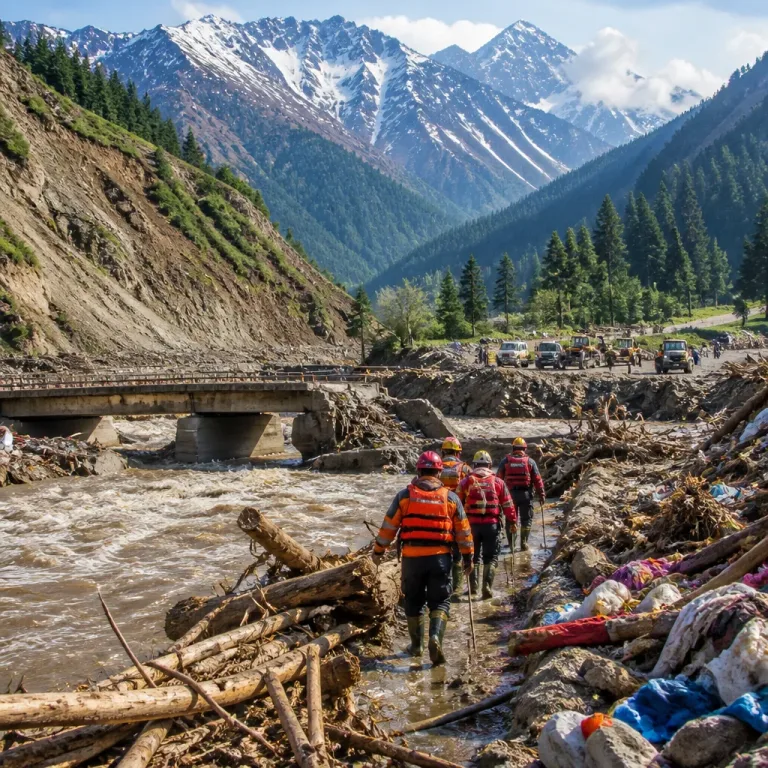
Nyuthe highlighted that Nagaland's hilly terrain and highly variable rainfall make many communities particularly vulnerable to isolation when heavy rains damage roads and bridges. Several pockets remained cut off for more than a week, he said, necessitating aerial delivery of essential food and relief supplies.
Human cost and response
Officials reported that 11 lives were lost in one district, an incident Nyuthe described as an "unprecedented tragedy" for the State. The briefing underlined impacts on agriculture and livelihoods due to the uneven spatial distribution of rainfall this season.
Nyuthe acknowledged coordinated efforts by the State and Union governments, noting that constitution of IMCTs and field visits by the Chief Minister and Union representatives had helped boost the morale of affected communities. He said ongoing damage and needs assessments aim to provide a clear basis for further relief and recovery measures.
IMCT composition and technical inputs
The IMCT included central officials from the Ministry of Home Affairs and technical wings; DIPR listed the visiting team as:
- M. Ramachandrudu – Joint Secretary (DM II), Ministry of Home Affairs
- Sanjeev Kumar Suman – Director
- Pankaj Pahadia – Deputy Director (FCD)
- Pradeep Kumar Meena – Executive Engineer
- Rajeshwari S. Mallegeowda – Director (DoRD)
- Priyom Roy – Scientist ‘SF’
An overview of the monsoon disaster situation was presented by Dr. Johnny Ruangmei, Joint CEO of the NSDMA. District Disaster Management Authorities (DDMAs) from Mon, Mokokchung, Longleng and Tuensang also made presentations to the team.
| District / Unit | Role at briefing |
|---|---|
| Mon | DDMA presentation to IMCT |
| Mokokchung | DDMA presentation to IMCT |
| Longleng | DDMA presentation to IMCT |
| Tuensang | DDMA presentation to IMCT |
Logistics and access challenges
Officials underlined that damaged roads and difficult terrain had left many villages unreachable by road for extended periods. In such cases, aerial supply of food and relief materials was used to reach isolated communities. The briefing noted that these access challenges complicate both immediate relief and medium-term recovery planning.
Nyuthe cautioned that the uneven pattern of rainfall this year not only produced acute flooding in some localities but also disrupted sowing and agricultural activities in others, potentially affecting food security and livelihoods until normal cropping cycles resume.
Way forward
The IMCT’s field assessment and the state-level presentations will be used to quantify damage and prepare proposals for central assistance where required, officials said. Continued monitoring, targeted relief distribution and restoration of road links are expected to be priorities in the coming days as teams finalise damage estimates and needs lists.
Further details on rehabilitation packages, timelines for repair of critical infrastructure and specific districts requiring additional central support are expected after completion of the IMCT's assessments and consolidation of DDMA reports.