Authorities discuss shelter, vaccination and awareness drive to curb stray dog issues in Kohima
A meeting of line departments and concerned officials convened at the Chamber of the Deputy Commissioner, Kohima, to examine measures aimed at tackling the issue of stray and free‑roaming dogs in Kohima town and its colonies. The gathering reviewed public complaints about dogs roaming without restraint, instances of dog bites and the nuisance caused by dog faeces on roads and footpaths.
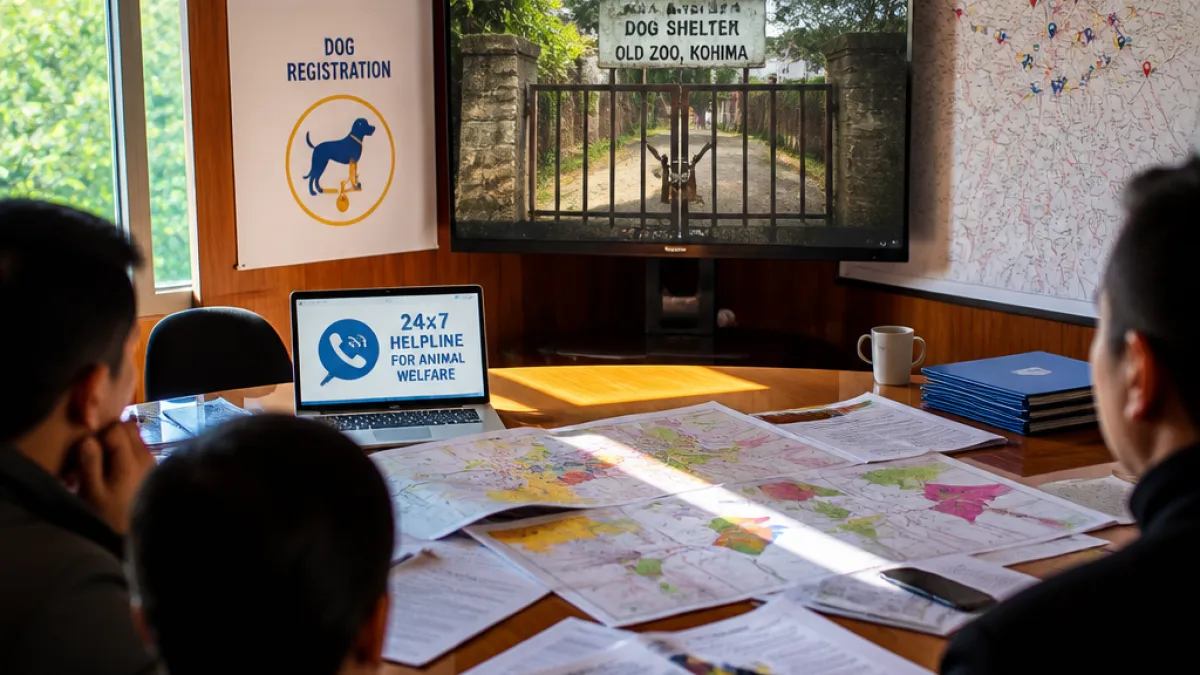
Municipal officials and representatives of animal welfare groups took part in the discussions, with the Kohima Municipal Council (KMC) reporting that a dog shelter previously operated near the Old Zoo was discontinued after the COVID‑19 pandemic following public complaints about noise. The council said the animals at the shelter had been looked after and owners were allowed to reclaim pets after paying prescribed charges; unclaimed animals could be adopted after one week.
"There is no law prohibiting people from keeping dogs as pets, but owners have the responsibility to ensure that their dogs do not roam freely without proper control or a leash."
Participants emphasised responsible pet ownership, appropriate disposal of dog waste and effective dog control. The meeting discussed a package of measures that would form the basis of guidelines to be issued by the administration. The Society for Prevention of Cruelty to Animals (SPCA) submitted a list of suggestions during the deliberations; those recommendations were welcomed and are to be incorporated into the proposed guidelines.
- Revival and relocation of a dog shelter — the KMC tabled options to reactivate the shelter or identify a new site to address community concerns on noise while providing care for stray animals.
- Compulsory vaccination and registration — the meeting proposed mandatory registration of pet dogs and routine vaccination as public‑health measures to reduce bite incidents and rabies risk.
- Awareness and community engagement — officials stressed the need for colony‑ and ward‑level awareness campaigns on responsible ownership, hygiene and waste disposal.
- Accessible veterinary services — basic veterinary care, including vaccination, was proposed to be made available at the doorstep to improve uptake.
- Reporting mechanism — the administration proposed developing a helpline or reporting system for incidents involving stray dogs to ensure prompt action.
Officials noted there is presently no statutory prohibition on keeping dogs as pets; however, the administrative focus is on ensuring owners fulfil their obligations so animals do not become a public‑health or safety concern. Making vaccination and registration compulsory was framed principally as a preventive public‑health step.
The meeting also examined practical aspects of reactivating a shelter. Councillors recalled that the earlier facility near the Old Zoo provided feed and care for sheltered animals and allowed owners to reclaim pets upon payment of applicable charges for the period of stay. Complaints over noise led to the shelter's closure, and relocation was discussed as a way to balance animal welfare with neighbourhood concerns.
| Issue | Proposed action | Responsible / involved bodies |
|---|---|---|
| Free‑roaming dogs and bites | Compulsory vaccination; registration; helpline | KMC, Health Dept., SPCA |
| Dog shelter | Relocation/reactivation; manage noise concerns | KMC, District Administration |
| Public awareness | Ward/colony campaigns on sanitation and responsible ownership | Line departments, community leaders |
As part of the discussion, officials highlighted the public‑health dimension of the issue. Ensuring routine vaccination of pet and sheltered animals was presented as a key preventive measure to reduce the risk of rabies and other zoonoses. Making veterinary care locally accessible — including doorstep vaccination drives — was proposed to raise compliance, particularly among households with limited mobility or resources.
The administration said that the SPCA’s suggestions would be incorporated into the draft guidelines. A reporting mechanism, likely a helpline or online channel, was proposed to enable quicker responses to incidents of dog bites or nuisance. The meeting did not set a firm timeline for implementing the measures, but members agreed to draft the guidelines and outline the operational steps required to revive shelter facilities, finalise registration and vaccination protocols, and launch awareness drives at colony level.
Officials indicated further consultations with stakeholders will follow before the guidelines are finalised and implemented across Kohima wards.