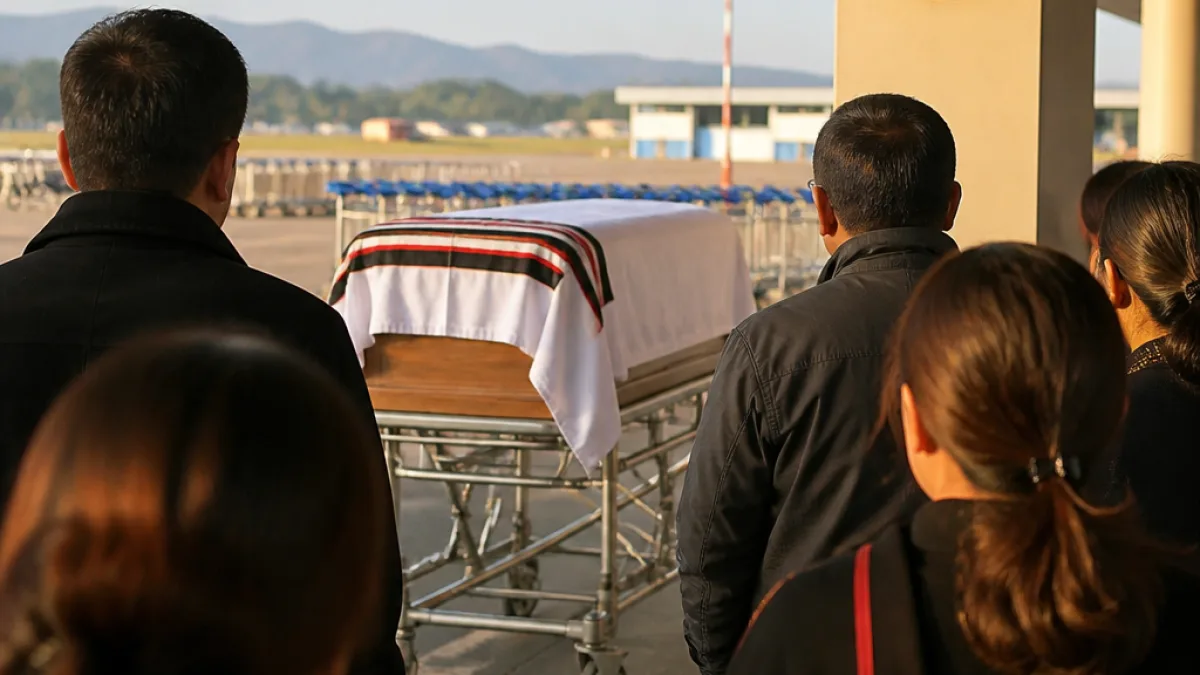
Prominent peace campaigner passes away in Delhi
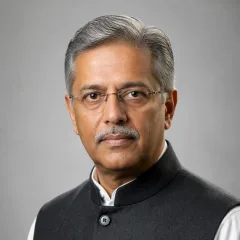
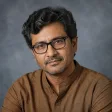
Renowned Naga peace activist and moral leader Niketu Iralu died on Tuesday at around 4 p.m. at BLK Hospital in New Delhi. He was 91, family sources said. Iralu had been unwell for some time and was undergoing treatment at the hospital.
Iralu’s public work was defined by long-term engagement with peace-building, reconciliation, trust-building and personal transformation. He was associated for about 65 years with the Moral Re-Armament movement — now known as Initiatives of Change (IofC) — working both in India and internationally, including as director of Asia Plateau, the IofC centre at Panchgani in Maharashtra.
Funeral arrangements and homecoming
According to family sources, Iralu’s body will arrive at Dimapur Airport on August 19 at 3:30 p.m. A public send-off organised by Khonoma Rüffüno, Nagaland will follow his arrival. A funeral service has been scheduled at 12 noon on August 20 at Shalom Bible Seminary, Sechu (Zubza). The family also held a funeral send-off at the Nagaland State Guest House, R.K. Puram, New Delhi on the night of August 18 at 9:30 p.m.
| Event | Date & Time | Venue |
|---|---|---|
| Arrival of body | August 19, 3:30 p.m. | Dimapur Airport |
| Public send-off | August 19 (after arrival) | Organised by Khonoma Rüffüno |
| Funeral service | August 20, 12 noon | Shalom Bible Seminary, Sechu (Zubza) |
Early life and influences
Niketu Iralu was born on July 12, 1935, the third of 13 children to Dr. Sevilie Iralu — noted as the third Naga to become a doctor — and Vituno Iralu, who was the elder sister of Naga national leader A.Z. Phizo. After completing his pre-university education in Shillong, Iralu studied at Madras Christian College, where he encountered the Moral Re-Armament movement. That experience shaped his life's work and sustained his association with the movement for decades.
Over the years, Iralu worked with communities across Naga society and beyond, emphasising the need for inner change and personal transformation as foundations for lasting peace. He believed that political agreements alone were insufficient and that reconciliation had to be rooted in trust-building at the individual and community levels.
Public role and legacy
Although not widely known for holding public office, Iralu was widely respected as a moral voice in Nagaland. He served as director of Asia Plateau and later worked at the international level with Initiatives of Change, contributing to programmes on reconciliation and cross-community dialogue. His decades of work brought him into contact with linguists, faith leaders, community activists and political figures, and he played a steadying role in informal peace-building processes.
- Age at death: 91 years
- Associations: Initiatives of Change (formerly Moral Re-Armament); Asia Plateau centre in Panchgani
- Survivors: wife and a son
Family sources said Iralu is survived by his wife and one son. The arrangements planned in Dimapur and Sechu (Zubza) are expected to allow members of the public and civil society groups to pay their respects.
Context for Nagaland
Niketu Iralu’s death marks the passing of one of Nagaland’s long-standing proponents of dialogue and non-violence. His emphasis on personal moral change as the foundation for communal harmony is consistent with a strand of grassroots peace work in the North-East that complements formal political negotiations. Community groups, churches and reconciliation networks in the State have frequently cited such engagements as critical to confidence-building among parties and communities.
Details on any subsequent commemorative events or statements from organisations with which he was associated were not available at the time of reporting and will be added when confirmed by family or institutional sources.