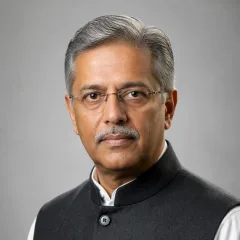

Kohima, September 4: Nagaland BJP president Benjamin Yepthomi on Friday described the passage of the Frontier Nagaland Territorial Authority (FNTA) Bill, 2026 in Parliament as a historic milestone that gives statutory recognition to demands from Eastern Nagaland.
What the party leader said
"The new chapter brings responsibility to embrace change and collectively strive for progress and a brighter future,"
Yepthomi said the outcome followed sustained advocacy by the Eastern Nagaland Peoples' Organisation (ENPO) and by elected representatives from the region. He added that with statutory recognition comes an obligation for all stakeholders to pursue meaningful reforms and inclusive development.
Political and administrative significance
The Bill, which was passed by Parliament on September 3, 2026, establishes a new territorial authority for the Frontier Nagaland area. Proponents view the measure as converting long-standing regional aspirations into a formal administrative framework, potentially altering governance and development arrangements for parts of Eastern Nagaland.
The BJP state president's statement framed the legislation as both an achievement of local advocacy and the beginning of a process that requires implementation. By emphasising responsibility, Yepthomi signalled that political leadership now must shift attention from securing recognition to ensuring that institutional changes benefit the people on the ground.
Role of regional organisations and legislators
Yepthomi credited the ENPO and local legislators for their persistent efforts that culminated in the Bill's passage. The ENPO has for years campaigned for a distinct administrative setup for Eastern Nagaland, citing issues of governance, development and identity.
While the statement did not specify implementation steps or timelines, it underlined the need for constructive cooperation among government bodies, local organisations and elected representatives to translate the new statutory status into concrete reforms and development outcomes.
- Legislative milestone: FNTA Bill passed in Parliament on September 3, 2026.
- Local advocacy: ENPO and regional legislators credited with sustained efforts leading to passage.
- Call to action: State BJP president urged stakeholders to pursue inclusive development and reforms.
Immediate implications and next steps
The passage of the Bill formally enables the creation of the territorial authority; however, the statement did not detail the administrative or fiscal mechanisms by which the authority will operate. Important next steps typically include framing rules, delineating powers and responsibilities, and deciding institutional arrangements for implementation.
Given the limited detail in the announcement, political observers and residents are likely to look for further notifications from the state and Centre clarifying the authority's composition, jurisdiction and funding. Elected representatives and civil society groups in Eastern Nagaland may also press for clear timelines and participatory processes as the new body is established.
| Event | Date |
|---|---|
| Parliament passes FNTA Bill, 2026 | 3 September 2026 |
| Statement by Nagaland BJP president Benjamin Yepthomi | 4 September 2026 |
Political context
The FNTA Bill addresses a long-running demand for administrative recognition of Frontier Nagaland, a region in the eastern part of the state. For political leaders who supported the legislation, passage is a culmination of years of advocacy; for critics and cautious observers, the focus will shift to how the statutory framework is operationalised and whether it addresses structural development gaps.
Yepthomi's commentary frames the moment as one of opportunity and obligation: statutory recognition, he said, should be matched by tangible reforms and development that are inclusive of local communities.
What residents and stakeholders will watch for
Following the Bill's passage, stakeholders will be monitoring several practical matters, including the authority's geographic remit, administrative powers, mechanisms for funding and resource allocation, timelines for rollout, and provisions for local representation. Equally, civil society groups may seek assurances on transparency and accountability as the new body takes shape.
For now, the BJP state president's statement sets a tone of cautious optimism while emphasising the need for cooperative action between political actors, administration and community organisations to realise the intended benefits of the FNTA framework.