The Railway Board has designated Howrah among 103 heritage stations across India to host a “Station Mahotsav”, a series of events scheduled to take place between August and November aimed at showcasing the historical and cultural legacy of British-era railway stations, according to media reports.
Heritage calendar and local focus
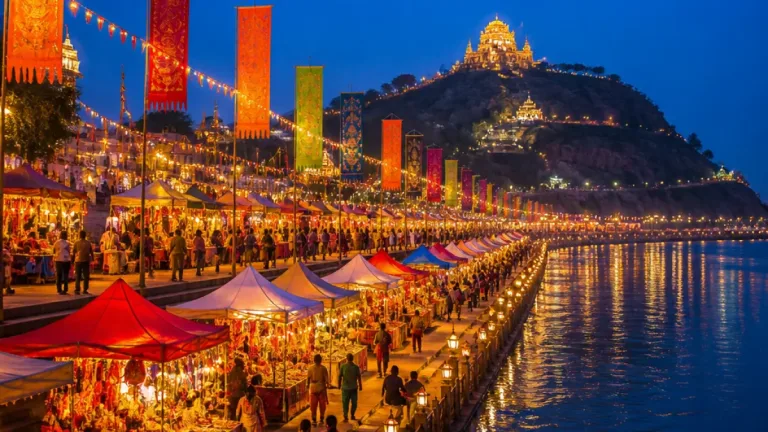
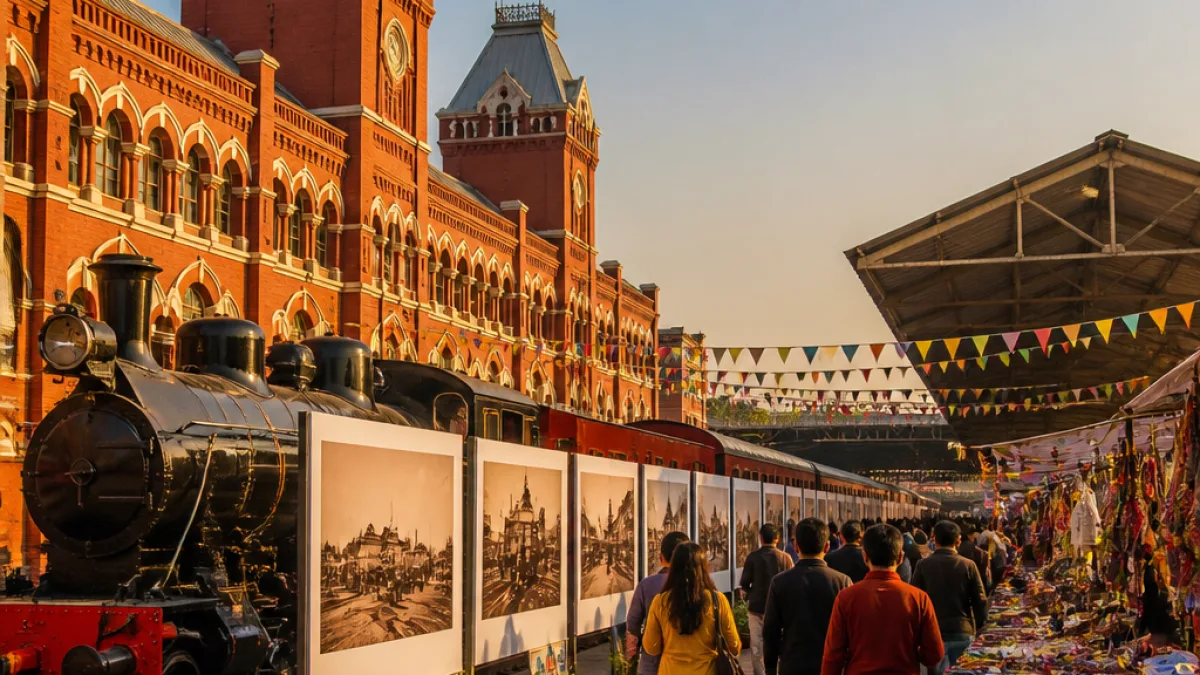
The programme, framed by the Railway Board, will run a standardised schedule of activities at selected stations. The plan, as reported, includes historical photo exhibitions, displays of vintage railway artefacts, publication launches such as a Virasat Smarika, short heritage films, regional food festivals and promotion of local art and handicrafts. Some stations are also expected to host laser shows as part of evening attractions.
Howrah station is among several West Bengal stations that date back to the mid-19th century and were singled out for the Mahotsav. Indian Railways’ heritage list spans stations built between 1854 and the 1930s; of the 103 stations, 72 originate from the 19th century while 31 belong to the early 20th century, media outlets reported.
Local heritage in a wider rail history
The inclusion underscores Howrah’s place in India’s rail story. The earliest passenger train in the country ran on April 16, 1853, between Bori Bunder (present-day Chhatrapati Shivaji Maharaj Terminus) and Tannah (now Thane), and several stations established soon after are now being recognised for their historical value.
- Howrah — dates to 1854 and features in the Railway Board’s heritage roster, according to the report.
- Kalyan (Maharashtra) — also listed with a founding year of 1854.
- Other historic Bengal stations mentioned include Bally and Bardhaman (1855), and Serampore (1856).
“The Railway Board has decided to celebrate the founding anniversaries of 103 heritage stations across the country as ‘Station Mahotsav’,” the report said.
Implications for Howrah: tourism, conservation and civic pride
For residents and local civic bodies in Howrah, the designation could provide an opportunity to highlight the station’s architecture and to draw visitors from nearby Kolkata and other districts. The standardised Mahotsav activities — exhibitions, local food and craft stalls, and heritage films — may boost footfall at the terminal and create short-term economic opportunities for vendors and artisans who participate.
At the same time, such recognition tends to raise questions about conservation and maintenance. Heritage stations often require careful restoration and upkeep to preserve architectural features while meeting modern passenger needs. Howrah’s inclusion may prompt renewed attention from railway departments, heritage committees and municipal authorities to coordinate logistics, crowd management and preservation efforts during the festival period.
List highlights and chronology
The heritage list is wide-ranging: several of the selected stations were established in the 1850s and 1860s, while the newest among them date to the 1930s, the report said.
| Station | Year of establishment |
|---|---|
| Howrah | 1854 |
| Kalyan | 1854 |
| Bally | 1855 |
| Bardhaman | 1855 |
| Serampore | 1856 |
Other notable entries cited by the report include Chandannagar (1857), Hoogly and Lonavala (both 1858), and later stations such as Lucknow Charbagh (1926) and Thiruvananthapuram (1931).
Railway administrations across zones will manage the local events, with some zones reportedly hosting a larger number of heritage stations — the central zone leading the list with 15 stations, followed by Northern and Southern Railways with 14 each, according to the coverage.
Residents and local heritage groups in Howrah may watch for official announcements from the Eastern Railway and the Railway Board about specific schedules, participation details and conservation measures as the Mahotsav dates draw nearer.