Shimla: Continued heavy monsoon rains have left Himachal Pradesh reeling, with the State Emergency Operation Centre (SEOC) reporting a total of 197 deaths over the 50 days since June 30 and losses exceeding ₹1,001 crore. Officials said the toll includes fatalities directly linked to rain‑triggered disasters and those from road accidents during the period.
Scope of the calamity
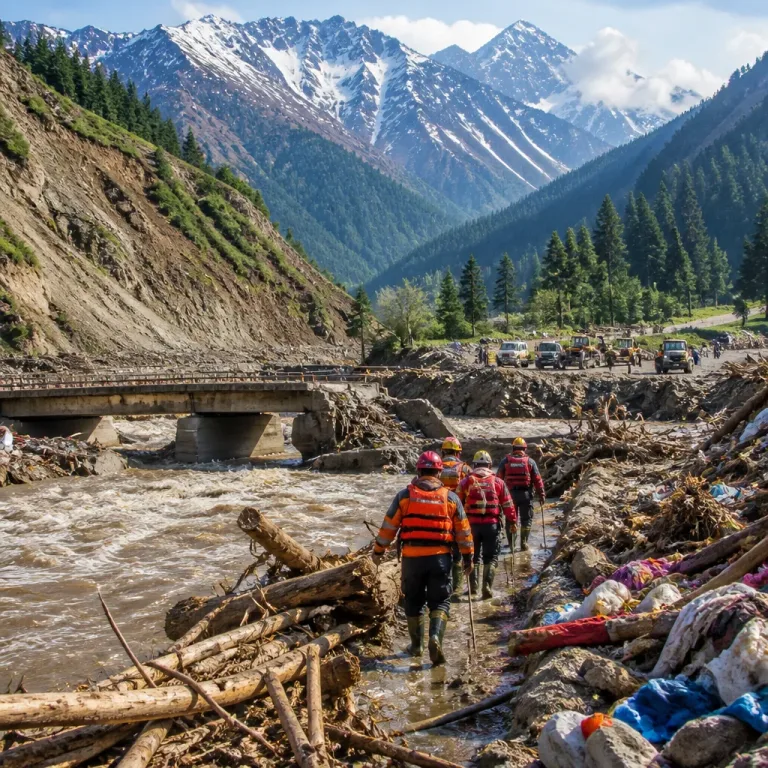
The SEOC data shows 81 deaths were attributed directly to disasters caused by heavy rainfall—such as landslides, flash floods and electrocution—while 116 fatalities were recorded in road accidents occurring amid adverse weather and disrupted connectivity. The crisis has affected infrastructure, utilities and basic services across the hill state.
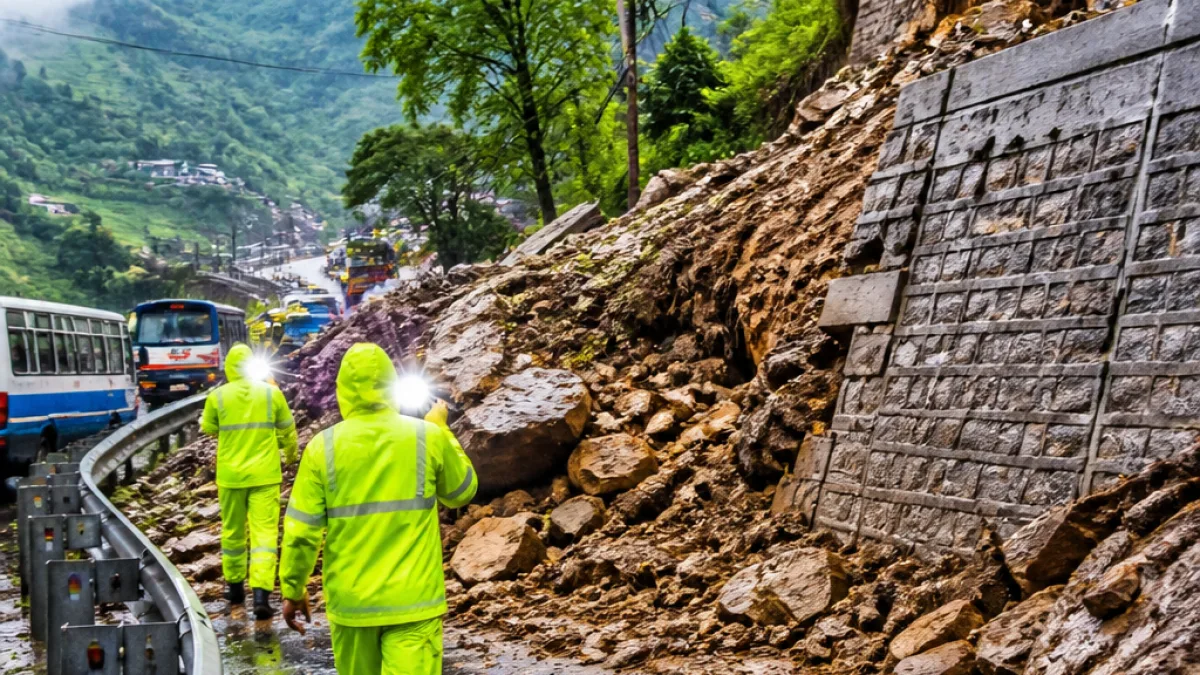
As of 5 pm on the previous Tuesday, the SEOC reported that 88 roads remained blocked. That figure represented an improvement from the morning, when 105 roads were reported obstructed, indicating that clearance and restoration teams are working continuously to reopen links.
Districts hit hardest
Districts reporting the most serious disruptions include Mandi, Kullu and Sirmaur. Mandi continued to shoulder a significant share of the problem, with 32 blocked roads reported at the latest update. Power and water supply systems have also been damaged in several districts.
| Affected item | Current status |
|---|---|
| Deaths (total) | 197 (81 disaster‑linked; 116 road accidents) |
| Estimated losses | ₹1,001 crore+ |
| Blocked roads | 88 (down from 105 earlier the same day) |
| Water supply schemes damaged | 19 (mainly in Hamirpur, Shimla, Bilaspur) |
Utilities and services under strain
Officials reported a significant reduction in distribution transformer disruptions, indicating partial recovery in power supply in some areas. Nevertheless, water supply remains a concern: 19 water supply schemes have been compromised, principally in Hamirpur, Shimla and Bilaspur, affecting drinking water and sanitation for many communities.
Restoration operations are ongoing. The SEOC and district administrations have deployed emergency teams for road clearance, debris removal and restoration of essential services. Work to repair damaged bridges, culverts and slope‑stabilisation measures is being prioritised in the worst‑affected stretches.
Human impact and relief operations
The human cost of the calamity spans lost lives, displaced families, and damage to homes, agricultural land and local businesses. With the state still receiving heavy rainfall in parts, recovery work is complex and slow, constrained by continuing weather and the topography of the Himalayan terrain.
- Immediate priorities: clearing blocked roads to restore access for relief teams and restore power and water services where feasible.
- Medium term: assess and rehabilitate damaged infrastructure, including roads, bridges and water projects.
- Long term: evaluate slope management, drainage upgrades and early‑warning systems to reduce future vulnerability.
District authorities continue to coordinate with state emergency agencies to move stranded people, provide temporary shelter and distribute relief materials where required. The SEOC updates on road clearance and utility restoration have been issued intermittently as teams report progress.
Wider context and next steps
The losses reported—exceeding ₹1,001 crore—underscore the financial strain of repeated monsoon impacts on a hilly state with expensive infrastructure maintenance needs. Officials have not yet released a district‑wise detailed damage assessment publicly; such assessments will be needed to determine additional state and central assistance and to prepare applications for relief funds.
With the monsoon window still open, authorities are advising residents in vulnerable hamlets and low‑lying stretches to follow official advisories, avoid non‑essential travel during heavy rain, and cooperate with evacuation orders where issued. The SEOC and district administrations will continue to monitor weather and infrastructure, and provide updates as restoration proceeds.
"Restoration and rescue teams are working round the clock to reopen roads and restore services," the SEOC said in its latest bulletin, according to agency inputs.
Further information on road reopenings, power restoration and relief camps will be released by the state and district control rooms in subsequent updates.