The Riyali gram panchayat in the Mand area of Fatehpur development block, Kangra district, has formally opposed the proposed establishment of new stone crushers and the grant of fresh mining leases on the Beas riverbed, citing threats to road safety, public health and the river's ecological balance.
Local protest, formal resolution
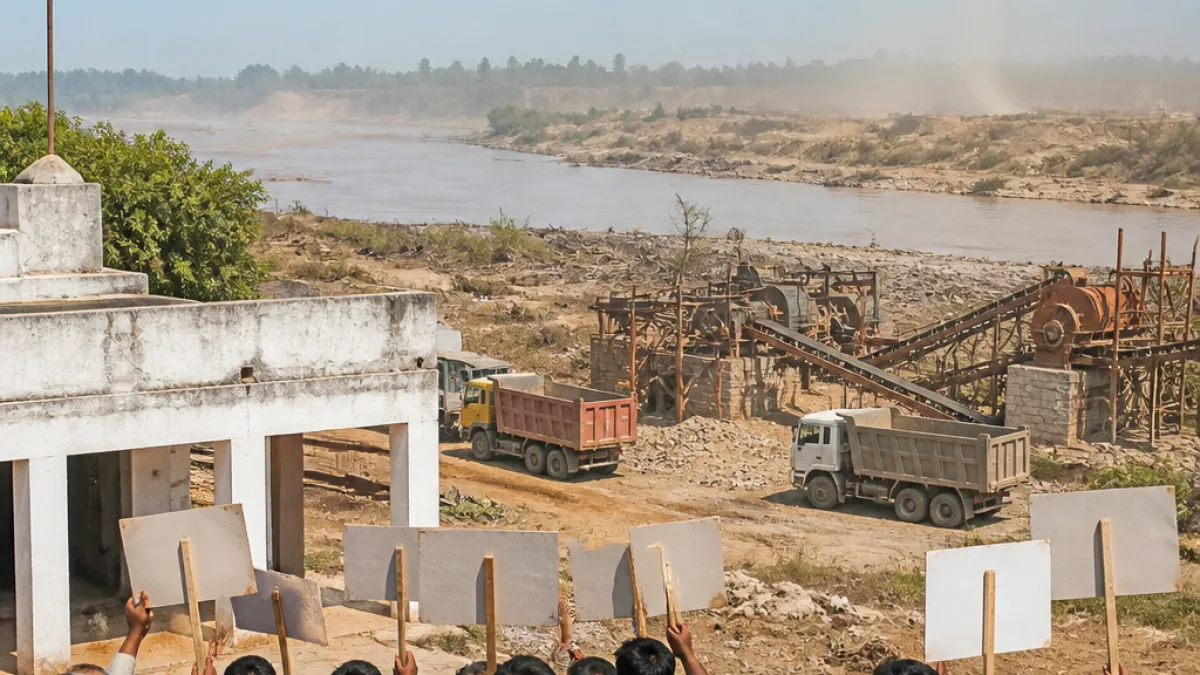
Panchayat members and activists from the Mand Environment Protection Samiti staged a protest at the panchayat bhawan on Thursday before adopting a resolution that was submitted to the Sub‑Divisional Magistrate (SDM), Fatehpur. The resolution requests that the state government and concerned departments refrain from issuing permissions for any additional crushers or leases in the area.
"A joint inspection team led by the Fatehpur SDM, comprising officials of the Mining Department, Forest Department and Himachal Pradesh State Pollution Control Board, had recently inspected the Beas riverbed in the Mand area," the panchayat said.
Flood history and local concerns
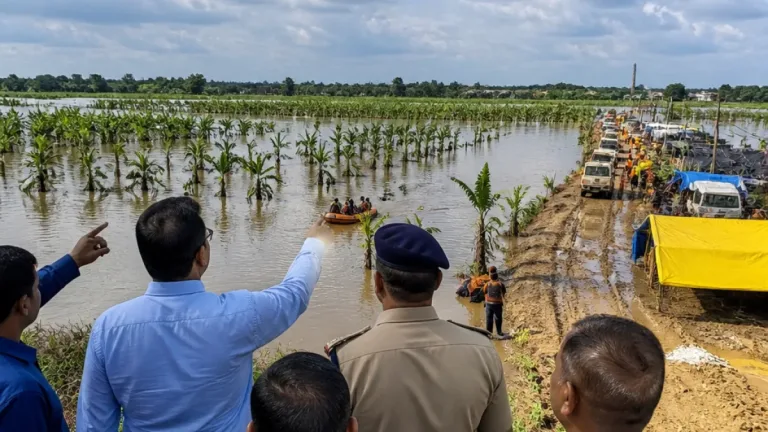
Locals pointed to extensive flooding in the Mand area during the 2023 and 2025 monsoons, saying the recent inspection appears connected to proposals for fresh mining activity. Panchayat pradhan Ramesh Chand and Mand Environment Protection Samiti secretary Kuldeep Singh highlighted a rise in heavy vehicular movement — particularly tippers — linked to mining operations already active in Mand.
The protesters argued that many of these heavy vehicles traverse residential stretches and pass close to houses daily, raising road‑safety and nuisance issues for local inhabitants. They also warned that excessive extraction of riverbed material could undermine the natural stability of the Beas and harm its ecological health.
Calls for scientific assessments
In its resolution the panchayat demanded that no fresh mining activity be permitted without a comprehensive scientific study, a carrying‑capacity assessment and an environmental impact assessment (EIA). The document insisted such studies must evaluate how continued extraction would affect river morphology, sediment replenishment and surrounding habitats, especially given upstream regulation by reservoirs such as the Pong Dam.
- Key request: No new permissions for crushers or leases until scientific assessments are completed.
- Authorities involved: SDM (Fatehpur), Mining Department, Forest Department, Himachal Pradesh State Pollution Control Board.
- Local worries: Increased heavy‑vehicle traffic, road safety, pollution and altered river replenishment patterns.
Why locals say studies are necessary
The panchayat pointed out that the Beas' natural replenishment pattern has already been modified by the Pong Dam reservoir upstream. They cautioned that indiscriminate mining of riverbed material could further destabilise the river system and its environs. By demanding carrying‑capacity and EIA reports, the panchayat wants an evidence‑based approach to determine whether additional extraction can be sustained without exacerbating flood risk or environmental degradation.
Administrative context and next steps
The resolution was handed to the SDM, whose office led the joint inspection. The presence of officials from the Mining Department, Forest Department and the State Pollution Control Board indicates that the matter is at a stage of inter‑departmental scrutiny. The panchayat has asked the state government and concerned departments to heed its recommendations and not grant fresh permissions in the interim.
| Event | Details |
|---|---|
| Local protests and resolution | Staged at panchayat bhawan; resolution submitted to SDM, Fatehpur |
| Joint inspection | Led by SDM; included Mining, Forest and HP State Pollution Control Board officials |
| Floods cited | Extensive flooding in the Mand area during 2023 and 2025 monsoons |
| Panchayat demands | Carrying‑capacity study, full EIA, and no fresh permits until assessments complete |
Implications for governance and environment
The dispute reflects a broader tension between mineral extraction for construction and infrastructure needs, and local ecological resilience and safety. In regions like Mand — where river dynamics and upstream reservoirs complicate sediment flows — authorities typically rely on EIAs and carrying‑capacity studies to balance development with environmental safeguards. The panchayat's insistence on scientific assessment underscores community demand for procedural transparency and evidence before decisions affecting the riverbed are taken.
How the SDM and the associated departments respond to the resolution and the joint inspection findings will determine whether fresh mining activity is permitted in the short term. For residents of Riyali and surrounding habitations, the immediate stakes are road safety, reduction of dust and noise pollution, and protection from potential worsening of flood vulnerability.