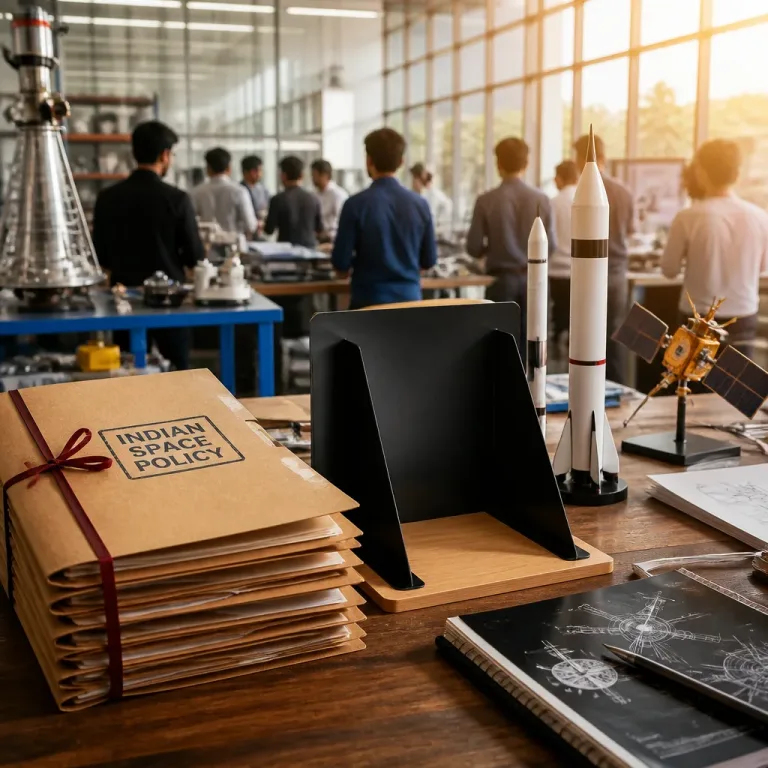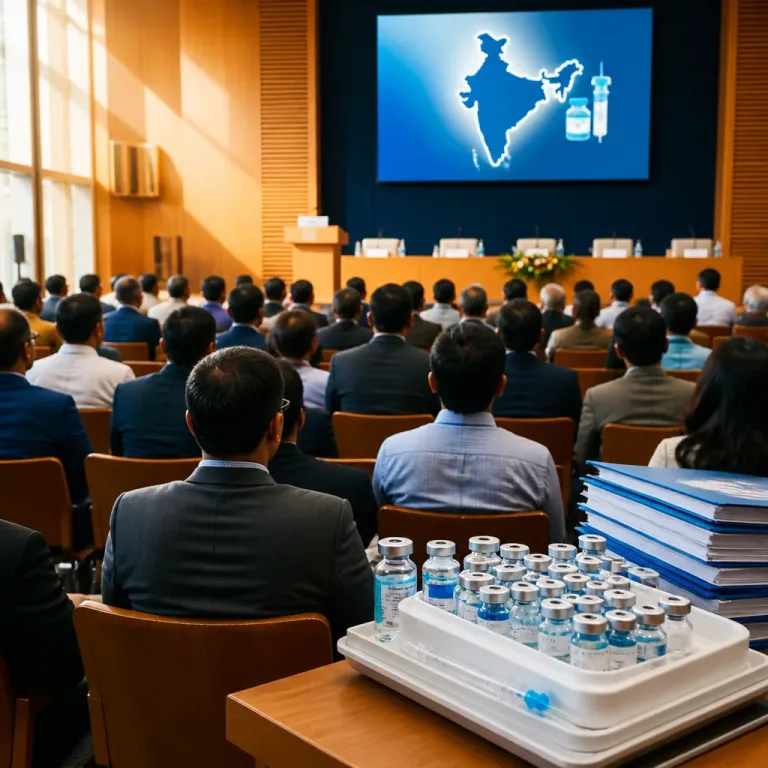
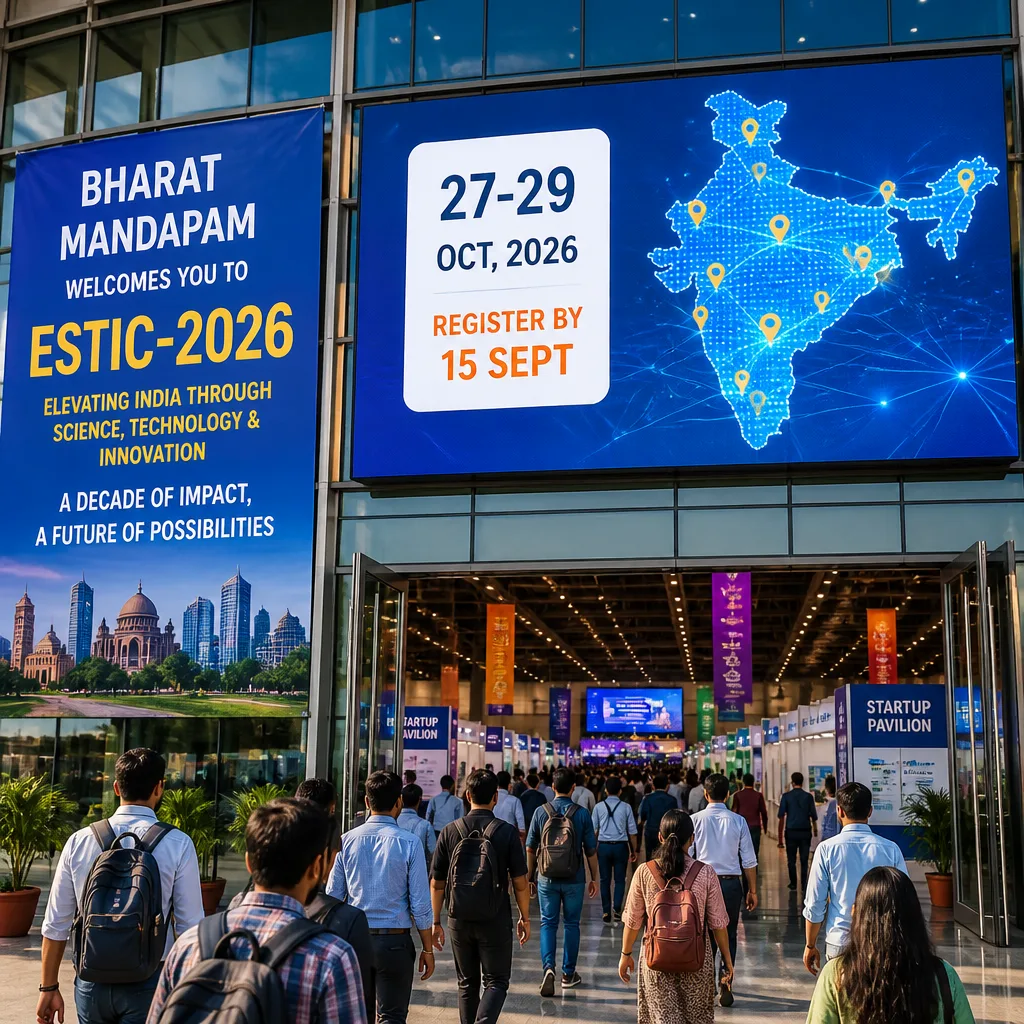
New Delhi: The Union Ministry of Science & Technology will stage the Emerging Science, Technology & Innovation Conclave (ESTIC-2026) from 27–29 October at Bharat Mandapam in New Delhi, aimed at strengthening ties between research, startups, industry and markets, the ministry said on Thursday.
National push to broaden innovation geography
Union Minister of State for Science & Technology and Earth Sciences, Dr Jitendra Singh, said the Government expects India’s next wave of innovation to emerge from outside metropolitan areas. He noted that more than half of the nation’s startups are now originating in smaller towns, a sign that entrepreneurship and innovation are spreading across the country.
Dr Singh emphasised the need to dismantle institutional silos and create stronger linkages among scientific research, startups, industry, markets and society so that scientific capability can be translated into broader economic and social impact. He urged organisers to use the conclave’s deliberations to prepare a roadmap with both short-term and long-term milestones.
"India’s next innovation wave must come from beyond metros," Dr Jitendra Singh said, while describing ESTIC as a platform to bring together multiple components of the science and technology ecosystem on a common stage.
Speakers, registration and format
The three-day event will be inaugurated by Prime Minister Narendra Modi, and the programme will feature international award-winning speakers and eminent faculty including Nobel laureates Prof. Joachim Frank, Sir Richard J. Roberts and Prof. Kostya Novoselov, the ministry said. Registration for ESTIC-2026 is open until 15 September 2026.
Conceived last year, ESTIC seeks to consolidate otherwise fragmented science and technology gatherings into a single forum designed to foster closer interaction among researchers, innovators, entrepreneurs, industry representatives and policymakers.
- Dates: 27–29 October 2026
- Venue: Bharat Mandapam, New Delhi
- Registration deadline: 15 September 2026
- Notable attendees: PM Narendra Modi; Nobel laureates Joachim Frank, Sir Richard J. Roberts, Kostya Novoselov
Objectives and proposed expansions
The minister said the conclave is intended to improve access for startups — particularly those in smaller towns — to experts, entrepreneurs and markets, enabling scale-up. He also suggested that India’s scientific ecosystem should draw more extensively on expertise from management, communication and other disciplines to keep pace with rapid changes in science and technology.
Dr Singh proposed that future editions of ESTIC could integrate management and communication institutions more extensively to ensure research outcomes reach markets and society effectively.
Context and implications
The emphasis on innovation beyond metros reflects a policy focus on widening the base of India’s science and enterprise ecosystem. If successful, the approach could broaden regional economic opportunities and diversify sources of technological development.
By assembling researchers, industry and policymakers in a single forum, the organisers aim to reduce fragmentation in the science and technology calendar and produce actionable roadmaps. The ministry has asked organising teams to convert discussions at ESTIC into measurable milestones that can guide follow-up action.
| Aspect | Detail |
|---|---|
| Event | ESTIC-2026 (Emerging Science, Technology & Innovation Conclave) |
| Dates | 27–29 October 2026 |
| Venue | Bharat Mandapam, New Delhi |
| Registration | Open until 15 September 2026 |
The ministry’s announcement stops short of publishing a detailed agenda or participant list beyond the cited speakers, and it does not provide specific budgetary or programme metrics for how the proposed roadmaps will be implemented. Nonetheless, the conclave represents an attempt to make India’s science-policy ecosystem more integrated and to give startups from smaller towns greater exposure to global expertise.
The success of such events in delivering sustained innovation outcomes will depend on follow-through — converting conference deliberations into funded projects, regulatory support, market linkages and measurable timelines, the ministry said organisers should emphasise.