Floods recede but toll rises to 105; nearly 32,000 still impacted
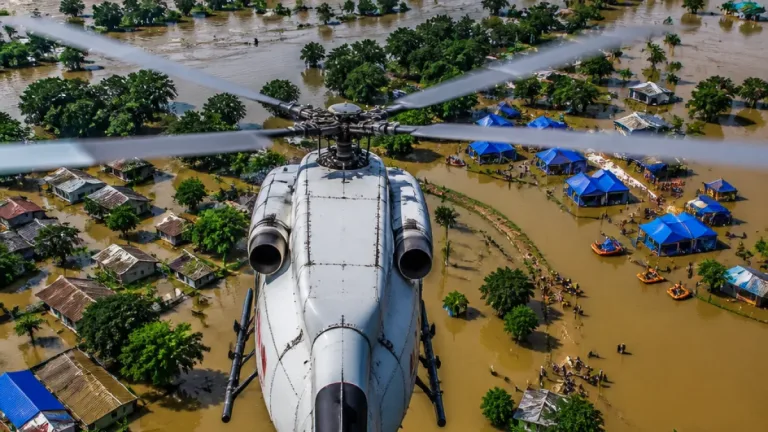
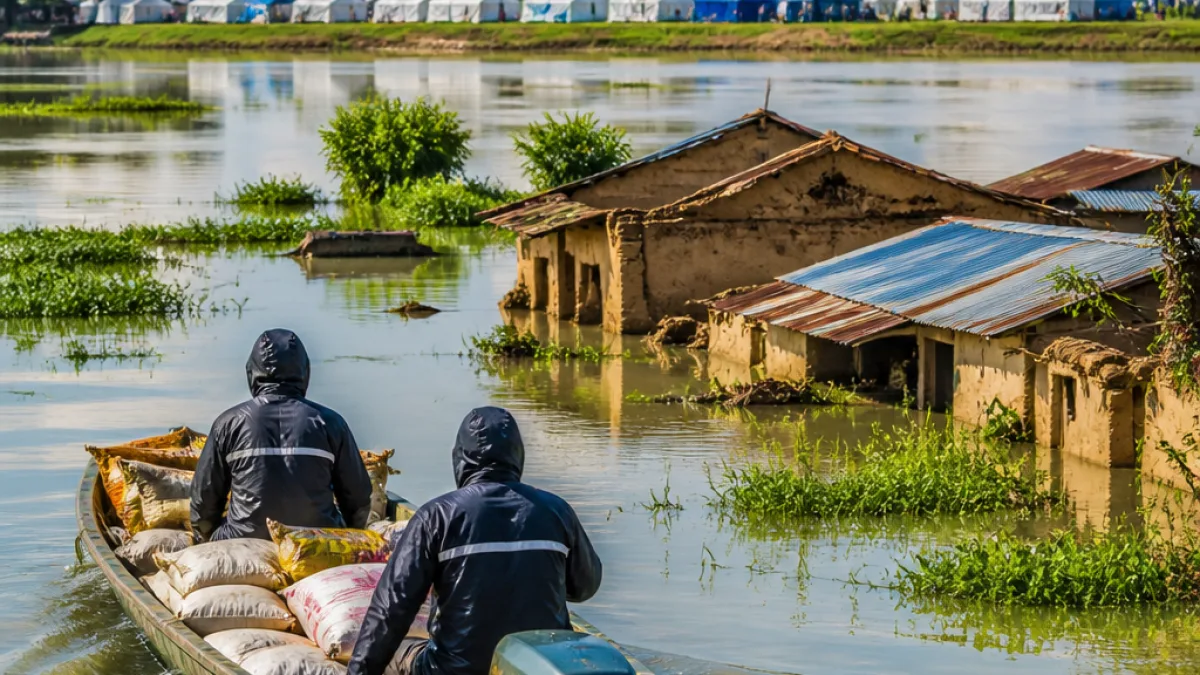
Guwahati: The flood situation in Assam improved modestly on Monday, but the state recorded one more death, taking the seasonal toll to 105, while around 31,900 people continued to live with the effects of inundation across four districts, the Assam State Disaster Management Authority (ASDMA) said.
ASDMA's bulletin said the latest fatality occurred after a person drowned in floodwaters in Sivasagar district. The agency placed the total number of people affected this week in Golaghat, Jorhat, Nagaon and Sivasagar districts at just under 32,000.
Among the districts, Nagaon remained the worst hit with nearly 20,000 people affected, followed by Jorhat with over 5,000 and Sivasagar with more than 4,500, according to the ASDMA summary. The agency said the overall situation had improved compared with Sunday, when almost 52,000 people were reported affected across five districts.
Relief centres active; thousands sheltered and assisted
The administration reported operating 15 relief camps and relief distribution centres in the four districts, which were providing care to 2,782 people. Authorities continue to mobilise relief materials and monitor water levels as the monsoon pattern shifts across the Brahmaputra valley.
- Relief camps and distribution centres: 15
- People currently in relief care: 2,782
- Villages under water: 147
- Crop area damaged: 3,198.77 hectares
- Domestic animals and poultry affected: 16,323
Infrastructure and agriculture sustain losses
The ASDMA bulletin listed damage to embankments, roads, bridges and other infrastructure in several districts, though it did not provide a consolidated estimate of repair costs. The floods have also affected agricultural land, with 3,198.77 hectares of crop area reported damaged—an immediate concern for rural livelihoods in the affected districts.
Livestock losses and the impact on poultry, numbering 16,323 animals and birds affected, add to the socio-economic strain on farming households. Relief measures in the camps are intended to provide short-term assistance while assessment teams compile detailed damage reports for government compensation and rehabilitation planning.
District snapshot
| District | People affected (approx.) |
|---|---|
| Nagaon | ~20,000 |
| Jorhat | >5,000 |
| Sivasagar | >4,500 |
| Golaghat | Included in total of ~31,900 |
The table reflects ASDMA figures summarised in its bulletin. Officials said some numbers remain provisional as teams continue enumeration across affected villages.
Outlook and local response
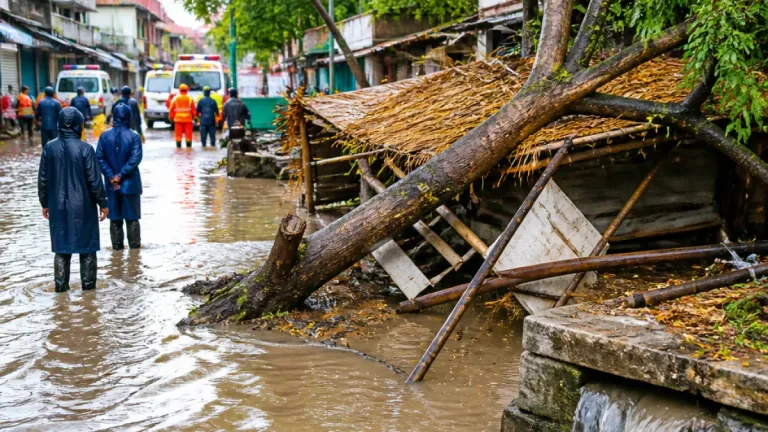
Authorities said the water situation had eased compared with the previous day, and emergency teams are focusing on relief distribution, medical checks in camps and restoring connectivity where roads and embankments were breached. The continued operation of relief centres indicates an ongoing need for shelter and basic supplies while rivers and drainage channels stabilise.
For residents in the low-lying tracts along riverbanks, the main concerns remain access to safe drinking water, restoration of transport links for markets and healthcare, and rapid assessments for crop compensation. District administrations typically co-ordinate with state-level agencies to channel funds and supplies; ASDMA's bulletins serve as the primary public record of evolving impact and relief efforts.
As the monsoon progresses across the northeastern region, local administrations and disaster teams will monitor riverine flows and weather forecasts closely to anticipate further pockets of inundation or renewed pressure on embankments.
Further official details, including any compensation packages or state relief announcements, will be released by administrative authorities as damage assessments are finalised.
— Ananya Bora, Assam correspondent