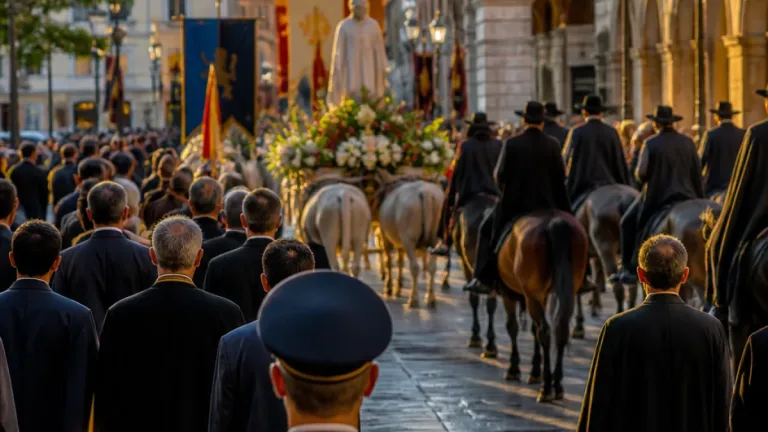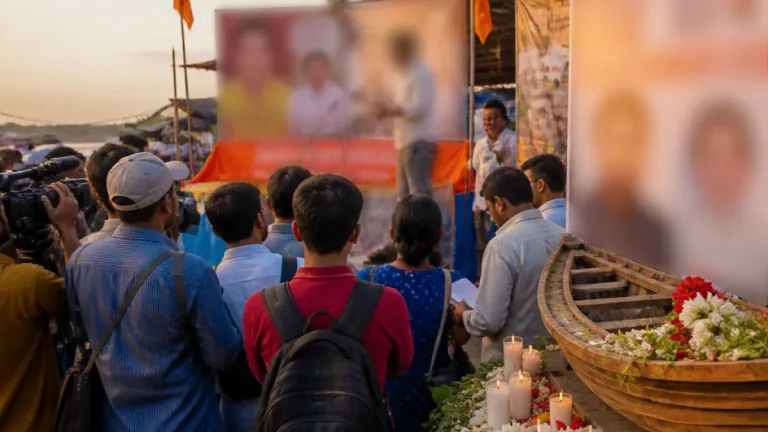
Haryana Chief Minister Nayab Singh Saini on October 18 described the teachings of Bhagwan Valmiki as a call for equality and urged that governance prioritise service to the least advantaged, while addressing a gathering at the Bhagwan Valmiki Prakatotsav in Jalandhar.
Shared Ramayana heritage, river references
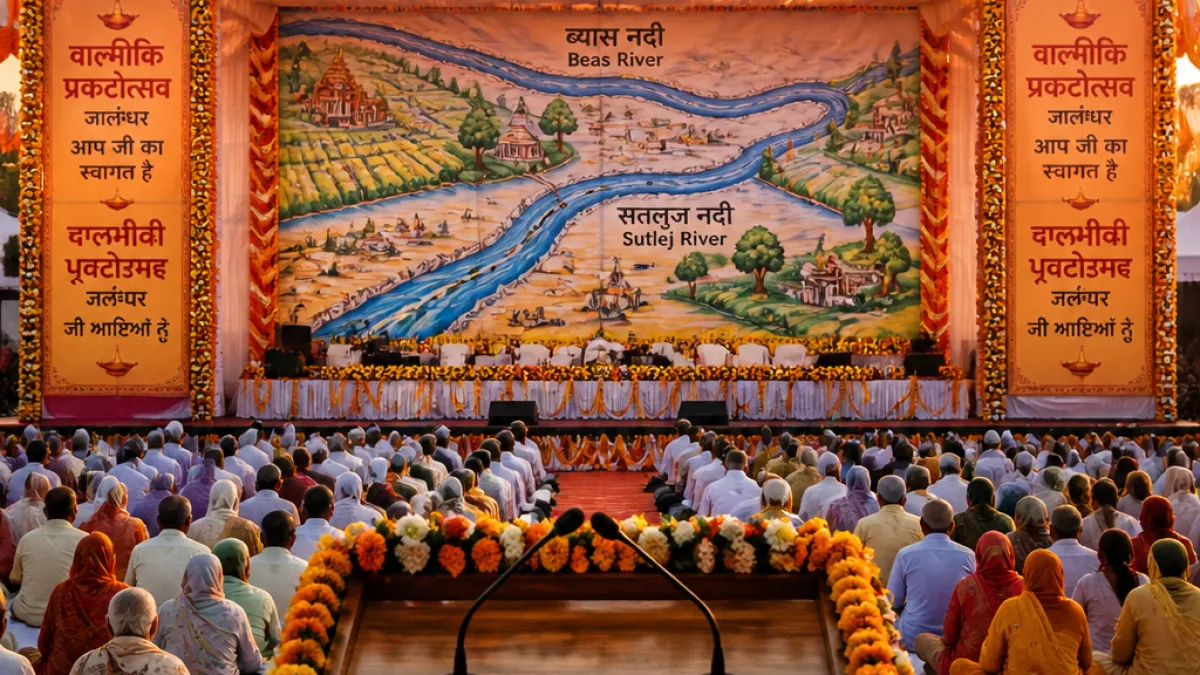
Speaking at the event in Punjab’s Doaba region — the tract between the two rivers historically referred to in the Ramayana — Saini emphasised the spiritual and cultural links between the Punjab area and the epic. He pointed to ancient references to the Vipasha and the Shatadru, identifying them with the present-day Beas and Sutlej respectively, as he described movements of Bharat Ji in the narrative.
The Chief Minister described the ongoing Vishal Teerth Yatra as “a journey of unity and a celebration of shared heritage,” and said the connection of the Punjab land with Valmiki’s writings was a matter of pride and good fortune.
“Greatness is determined by one’s deeds rather than birth,” Saini said, urging that Valmiki’s vision of a society where no individual is considered inferior or superior be reflected in public life.
Valmiki’s ideals and governance
Saini invoked Valmiki’s emphasis on dignity and equal opportunity, asserting that the primary duty of governance should be to serve those at the lowest rung of society. He linked this idea to the notion of Ram Rajya as envisaged by Valmiki, stressing that public policy should aim to ensure respect, dignity and opportunities for all citizens.
At the function, the Chief Minister also referenced developments connected with Ayodhya — including the construction of the Ram Temple — and highlighted the naming of the airport in Ayodhya as Maharishi Valmiki International Airport, attributing that decision to the leadership of Prime Minister Narendra Modi. He noted that devotees from across the world begin their pilgrimage to seek the blessings of Ram Lalla through an airport bearing Valmiki’s name.
Event and location
The event took place on the sacred land of Jalandhar in Punjab’s Doaba region. Saini described Doaba as the area lying between the two rivers he referenced and expressed pleasure at attending the gathering following an invitation.
- Occasion: Bhagwan Valmiki Prakatotsav (Vishal Teerth Yatra)
- Date: October 18
- Location: Jalandhar, Punjab (Doaba region)
- Main messages: Equality, dignity, service to the least advantaged, shared cultural heritage
Context and local resonance
The Chief Minister’s remarks underscore a recurring theme in contemporary public discourse: the use of historical and religious narratives to articulate modern principles of social justice and governance. By citing Valmiki’s writings and the Ramayana, Saini framed a cultural continuity that links geography, scripture and current policy priorities.
For Haryana’s political leaders, participation in high-profile religious and cultural events outside the state can serve multiple purposes — reaffirming ties with neighbouring regions, appealing to constituencies that value cultural heritage, and projecting policy commitments such as social inclusion. Saini’s comments at Jalandhar emphasised equality and dignity as taking precedence over inherited status, which he presented as aligning with Valmiki’s vision.
| Ancient name | Modern name |
|---|---|
| Vipasha | Beas |
| Shatadru | Sutlej |
By locating the Ramayana’s geography in the Punjab Doaba and referencing the rivers, Saini sought to reinforce the message of cultural continuity between the ancient text and the local landscape.
What he urged
Saini said Valmiki envisaged a society where no person is treated as inferior and where everyone enjoys equal respect and opportunity. He argued that this should guide administrative priorities, with a special focus on serving those at the bottom of the social ladder.
The Chief Minister’s participation at the Bhagwan Valmiki Prakatotsav and his remarks on equality and governance will form part of ongoing conversations about cultural identity and public policy in the region.