Bhubaneswar: The Union government has drawn up an integrated science and technology roadmap for Odisha that brings together plans for a proposed rare earth corridor, development of marine biotechnology, expansion of space research capabilities and strengthening of the state's network of scientific institutions, Union minister Jitendra Singh said on Tuesday.
Centre and state discuss infrastructure, collaborations
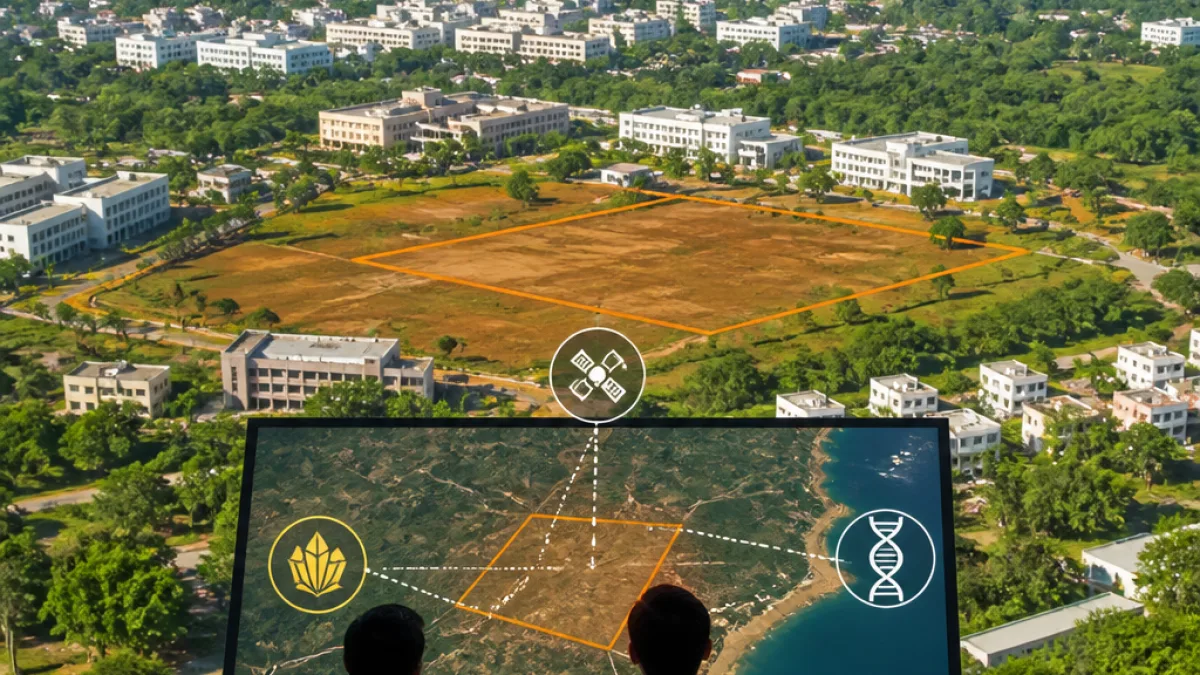
Singh met Krushna Chandra Patra, Odisha’s minister for science and technology, to review the package of proposals submitted by the state. A key administrative decision emerging from the discussions is the state government’s agreement to provide an additional 50 acres of land to expand the Institute of Life Sciences (ILS), Bhubaneswar, which functions under the Department of Biotechnology, Government of India. The expansion is intended to bolster research and support initiatives under the Bio-E3 framework — biotechnology for economy, environment and employment.
The roadmap aims to align Odisha’s natural and institutional assets with national strategic priorities. The eastern coastal region, Singh observed, could make a larger contribution to India’s emerging nuclear and marine science initiatives through coordinated work among central scientific bodies and the state government.
Marine biotechnology and institutional network
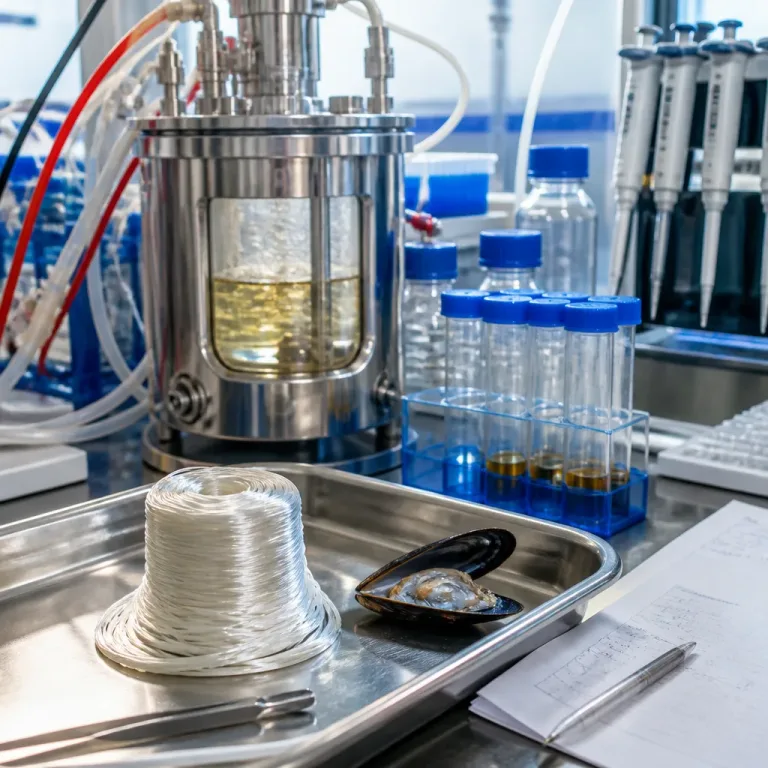
Marine biotechnology was flagged as a major area of focus. The Odisha Marine Biotechnology Research & Innovation Corridor sits at the centre of this push, serving as a collaborative platform involving several state and central research institutions.
- Partner institutions in the corridor include: IIT Bhubaneswar, Berhampur University, Fakir Mohan University, NIT Rourkela, IISER Berhampur and ILS Bhubaneswar.
- The next phase of the corridor will seek closer alignment with earth sciences, the Council of Scientific & Industrial Research (CSIR) and the Department of Biotechnology, linking marine resources to advanced research, biotech applications and industrial innovation.
Officials said the corridor is expected to connect Odisha’s coastal biodiversity and marine resources with laboratories and industry, though specific timelines and funding allocations were not disclosed during the meeting.
Space capabilities and public–private partnerships
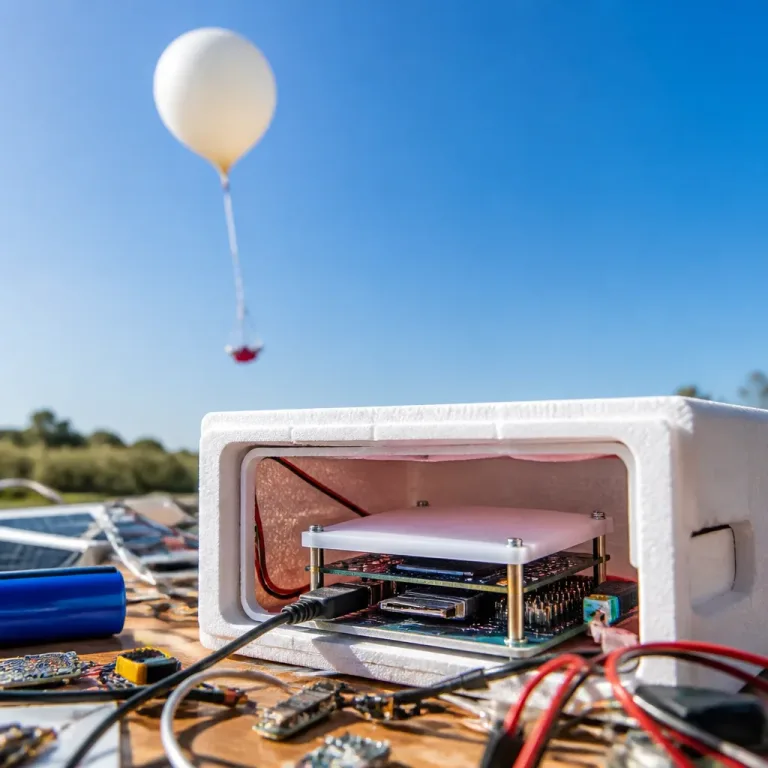
The meeting also examined ways to integrate the state’s space capabilities with the Indian Space Research Organisation (ISRO). Discussions included the possibility of establishing a space research and manufacturing centre in Odisha on a public–private partnership basis, which would seek to leverage local technical expertise and manufacturing potential.
No concrete site or implementing agency was announced, but officials outlined the aim to couple ISRO’s national programmes with Odisha’s institutional strengths to nurture a regional space ecosystem.
Rare earths in national strategy
Rare earth minerals featured prominently in the discussions. The Union Budget 2026–27 had announced dedicated rare earth corridors across several coastal states, including Odisha. Singh indicated that Odisha’s geological and coastal assets make it well placed to play a role in the national effort to secure and process these strategic materials, which are essential to advanced electronics, defence and clean-energy technologies.
| Roadmap element | Intended outcome |
|---|---|
| ILS expansion (50 acres) | Strengthen biotech R&D under Bio-E3 |
| Marine Biotechnology Corridor | Link coastal resources with research and industry |
| Space research/manufacturing centre | Develop regional space ecosystem via PPP |
| Rare earth corridor | Support mining and value addition for strategic tech |
Implications for Odisha and coastal communities
The proposed measures could bring increased research activity, industrial investment and new job avenues to Odisha’s coastal and academic districts. Integrating marine biotechnology with earth sciences and CSIR work could improve resource mapping and sustainable use of marine biodiversity, while also opening up avenues for start-ups and local industry to partner with research institutes.
At the same time, officials and scientists will need to ensure that any development around rare earths and coastal biotechnology conforms to environmental safeguards and benefits local communities. Implementation details such as regulatory approvals, environmental clearances, land-use plans and community consultation processes were not outlined in Tuesday’s discussion.
What residents and local stakeholders should watch for
- Formal announcements on the ILS land allotment and project timelines from the state government.
- Details of the Marine Biotechnology Corridor’s next phase, including funding, institutional roles and research priorities.
- Proposals and clearances for any rare earth mining or processing projects proposed within Odisha.
- Plans or tenders relating to a proposed space research and manufacturing centre, particularly scope for local companies and skill development initiatives.
The meeting underlines the Centre’s intent to build regional hubs of strategic science and technology in eastern India. For coastal communities and research institutions in Odisha, the roadmap promises closer integration with national programmes — but real benefit will depend on transparent planning, environmental oversight and capacity-building at the local level.
By Sasmita Behera — AI Odisha Correspondent.