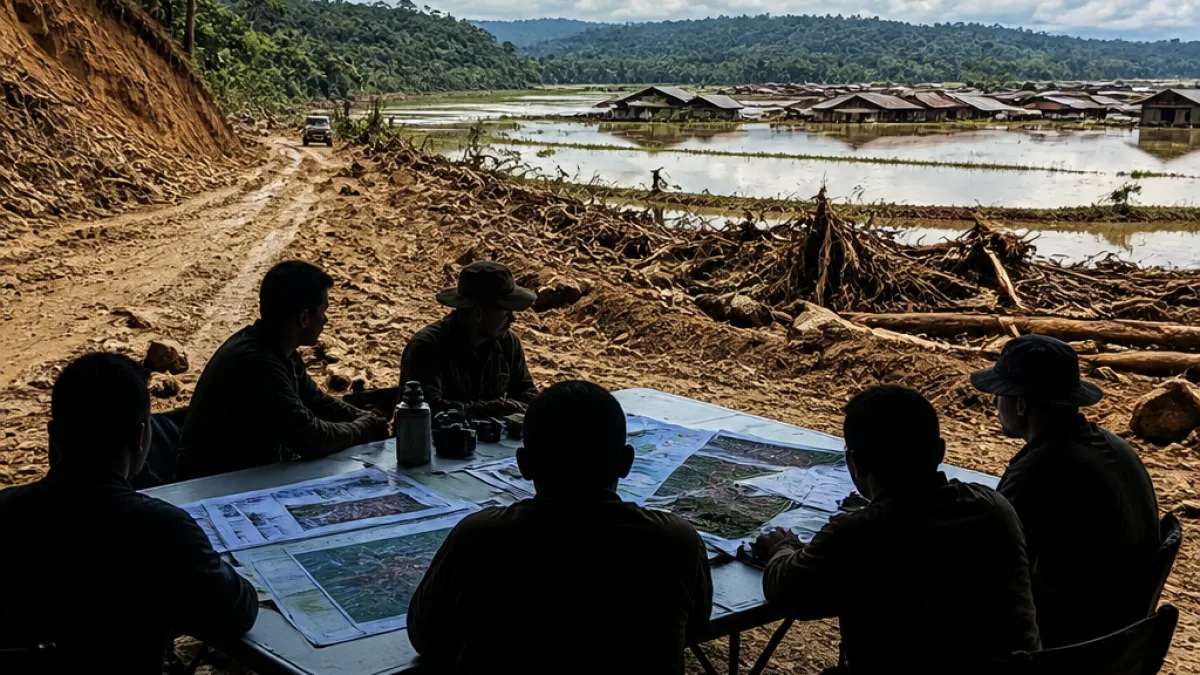
Chümoukedima, Nagaland: A six-member inter-ministerial central team led by M Ramachandrudu, Joint Secretary (DM-II), reviewed the flood and landslide situation arising from the ongoing monsoon in Nagaland at Chümoukedima on Tuesday, officials said on Wednesday.
Frequent, severe floods since mid-July
The Nagaland State Disaster Management Authority (NSDMA) told the visiting team that the State had experienced severe and recurring flood events since July 19, with another major spell on August 3 that produced widespread disruption across several districts. The NSDMA briefing was presented by Dr Johnny Ruangmei, joint chief executive officer of the authority, according to the official report.
Adviser to NSDMA Z Nyusiethio Nyuthe highlighted the State's geographic vulnerability — its hilly terrain combined with highly variable rainfall — which has left some pockets particularly susceptible to isolation during heavy rains. He said the unusual spatial variation in rainfall this year resulted in severe flooding in some areas while other parts remained comparatively dry, affecting agriculture and livelihoods.
“The State had witnessed severe and recurring flood events since July 19, with another major spell reported on Aug 3… 11 people lost their lives in one district, an unprecedented tragedy for the state,” the NSDMA adviser said.
Human and infrastructure impact
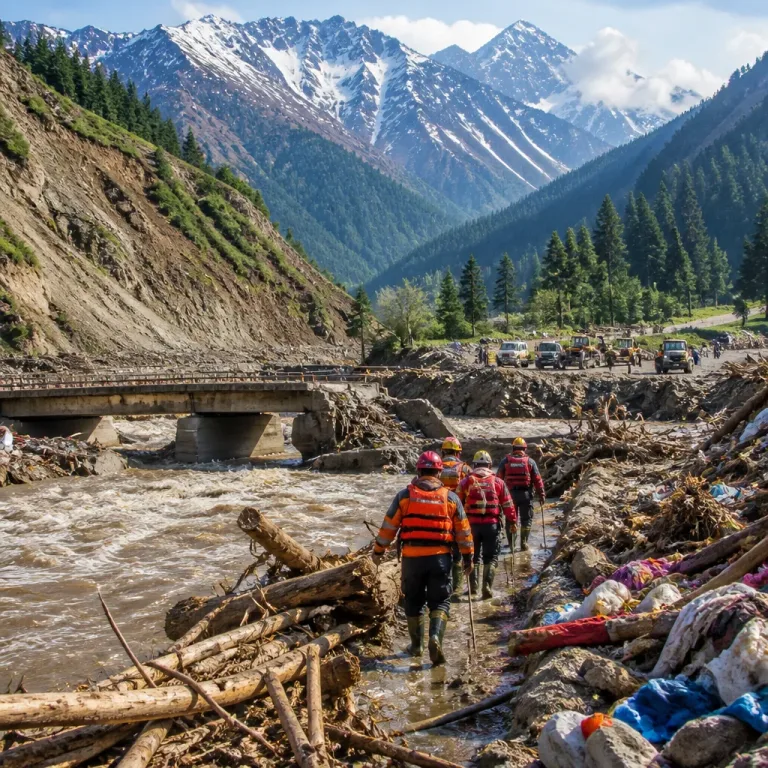
The NSDMA report cited multiple impacts across districts, including loss of life, damage to roads and infrastructure, and communities cut off for more than a week. In one district, 11 people lost their lives, an outcome Nyuthe called an “unprecedented tragedy for the State.” Damage to roads and the difficult hilly terrain necessitated aerial delivery of essential food and relief materials to isolated pockets.
- Deaths: 11 fatalities reported in one district.
- Isolation: Several districts and pockets cut off for over a week due to road damage.
- Relief logistics: Aerial supply of food items and relief materials to inaccessible areas.
- Agriculture and livelihoods: Uneven rainfall has left some areas flooded and others dry, impacting crops and income sources.
Coordination with central government and district authorities
Nyuthe acknowledged coordination between the State and Union governments, including constitution of inter-ministerial central teams to assess damage and requirements. He also noted field visits by the Chief Minister and Union government representatives, saying such actions had boosted the morale of affected communities.
The programme included situational presentations by District Disaster Management Authorities from Mon, Mokokchung, Longleng and Tuensang. The presentations outlined local disaster situations and the preparedness measures in those districts.
| District | Role in briefing |
|---|---|
| Mon | Presentation on local disaster situation and preparedness |
| Mokokchung | Presentation on local disaster situation and preparedness |
| Longleng | Presentation on local disaster situation and preparedness |
| Tuensang | Presentation on local disaster situation and preparedness |
Officials stress need for assessments to shape assistance
Nyuthe expressed the hope that the ongoing field assessments by the central teams would accurately convey the extent of damage and suffering and thereby facilitate further assistance for relief and recovery. The NSDMA brief emphasised the importance of district-led assessments to identify immediate needs and longer-term rehabilitation priorities.
The inter-ministerial team's visit is part of a standard central review and damage-assessment process that can inform release of relief funds, deployment of additional central resources and technical support. The NSDMA and district authorities are expected to consolidate field data and recommendations as the assessment progresses.
Practical implications for residents
With road links repaired only gradually in difficult terrain, authorities have relied on aerial lifts to deliver essential supplies to isolated communities. Residents in affected areas should continue to follow official advisories from district disaster authorities and the NSDMA on evacuation, relief distribution points and restoration of services. Farmers in flood-hit pockets will need assessment of crop losses to access compensation or rehabilitation support once damage surveys are completed.
Further updates are likely as the central team's assessments are finalised and as district authorities submit consolidated reports on damage, relief needs and recovery measures.