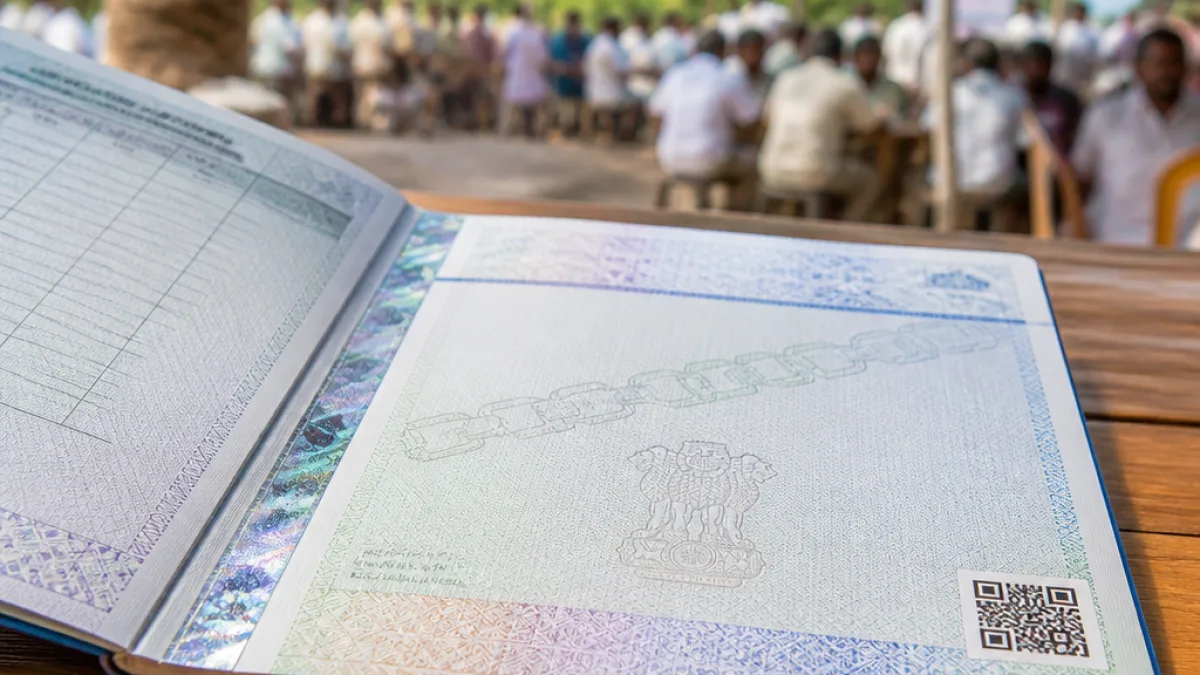
VIJAYAWADA / KALIDINDI: Andhra Pradesh will introduce currency note‑style security features, QR codes and tamper‑proof blockchain protections in Pattadar Passbooks, Chief Minister N. Chandrababu Naidu said on Monday, describing the measures as part of the state's Revenue Records Reforms 2026.
What the government will change
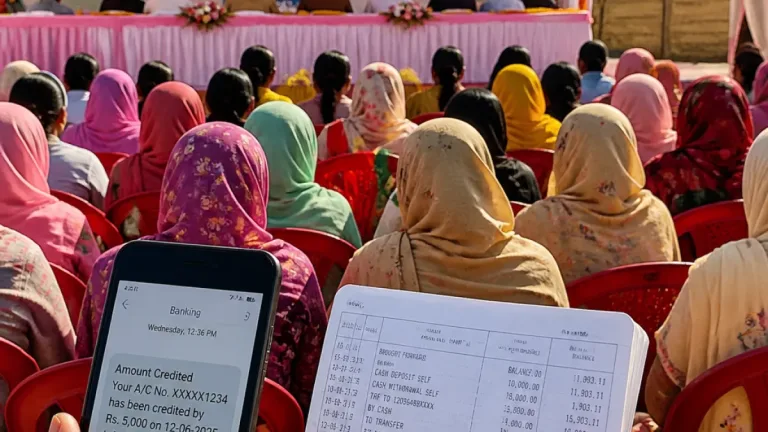
Addressing a public meeting at Kalidindi in Eluru district under the 'Mee Bhumi–Mee Hakku' (Your Land, Your Right) programme, the Chief Minister said the redesigned Pattadar Passbooks will carry features similar to those found on currency notes and will include embedded digital safeguards and the official state emblem to deter unauthorised alterations and fraud.
"We are implementing currency note‑like security features in Pattadar Passbooks. Through blockchain technology, we have extended tamper‑proof security to these assets," Naidu said.
He also said that QR codes will be printed on the passbooks to allow easier verification of records and to help prevent forged or tampered documents from being used in property transactions.
Scale and timeline
According to the Chief Minister, more than 32.22 lakh Pattadar Passbooks have already been distributed to farmers and property owners. A comprehensive resurvey covering 9,365 villages is underway and is expected to be completed within the next seven months. Following the resurvey, the government aims to issue another 68.64 lakh passbooks, with the state‑wide resurvey and passbook issuance programme targeted for full completion by 2027.
| Item | Figure |
|---|---|
| Passbooks already issued | 32.22 lakh |
| Villages to be resurveyed | 9,365 |
| Passbooks planned after resurvey | 68.64 lakh |
| Target for completion | 2027 |
Policy context and the stated rationale
Mr Naidu linked the reforms to an effort to "cleanse and streamline" land registries, saying that records were damaged during the previous YSR Congress Party administration between 2019 and 2024. He alleged that properties had been placed under restrictions—citing Section 22A—creating disputes and affecting citizens, including former servicemen, and said the present government had acted to resolve such cases.
He described the Revenue Records Reforms 2026 as an initiative to strengthen landowner rights and reduce opportunities for fraud by combining physical security elements with digital verification mechanisms.
Practical implications for landowners
- Verification: QR codes and digital safeguards are intended to make on‑the‑spot verification simpler for officials and buyers.
- Fraud prevention: Currency‑like optical and tactile features, plus the state emblem, are meant to raise the cost and complexity of forging documents.
- Record integrity: Blockchain will be used, according to the Chief Minister, to create tamper‑proof records of ownership and transactions.
The Chief Minister did not provide technical details about which blockchain platform would be used, how private data would be protected, or the procedures for updating records once passbooks are issued. He also did not outline grievance redressal mechanisms or the process by which citizens can verify the new security features at local revenue offices.
Next steps and administrative rollout
Naidu said the revamped passbooks and the resurvey exercise form part of the state government's wider land records overhaul. Local revenue officials are scheduled to undertake the village resurvey over the coming months; the administration has set a 2027 deadline for completing the entire exercise.
Officials in the Revenue Department will be responsible for implementing the changes, issuing passbooks after resurvey, and conducting awareness drives so that landowners understand and can verify the new security elements. The Chief Minister's remarks provide the policy direction; operational details and any interim guidelines are expected to be announced by the state government in due course.
Opposition parties, legal experts and civil‑society groups have not been quoted in the announcement. Questions remain on technical safeguards, cost per passbook, and how blockchain records will be integrated with existing land‑registry systems.
The introduction of currency‑note style security and blockchain for Pattadar Passbooks represents a significant administrative and technological intervention in Andhra Pradesh's land‑record system, with potential implications for property transactions, dispute resolution and fraud prevention across the state.