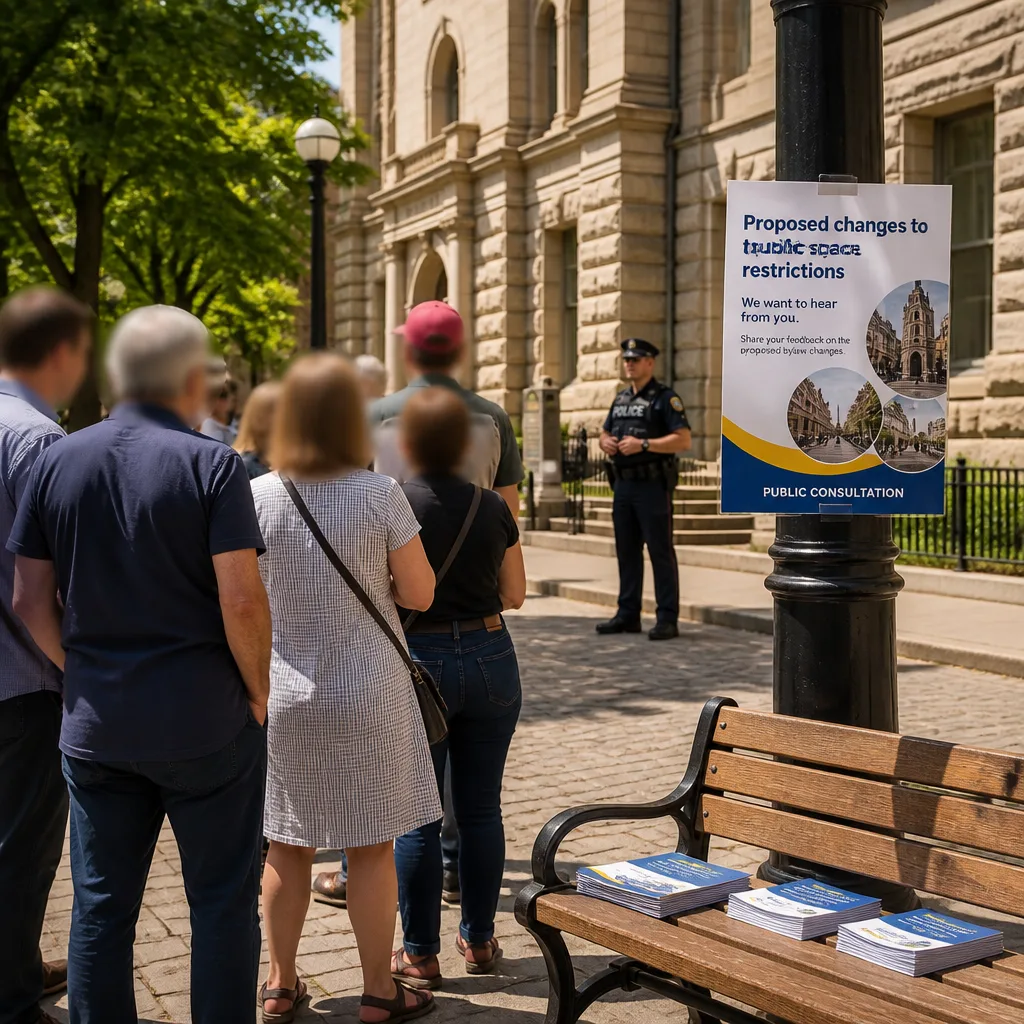
York City Council and North Yorkshire Police have opened a consultation on proposals to extend a Public Spaces Protection Order (PSPO) for the city centre to target what authorities describe as a pattern of intimidating and persistent requests for money and food.
What the proposal would ban
The draft conditions put forward to the public would prohibit a range of behaviours that officials say are causing concern for residents, businesses and visitors. The council already uses PSPO powers to issue fixed penalties — such as a £100 fine for dog fouling or urinating in the street — and police have asked for new measures to tackle street-level conduct.
- Intimidation and coercion: deliberately pressuring or intimidating someone into giving money.
- Persisting in requests: continuing to ask for money, food or to persuade someone to do something after they have refused.
- Pestering or pursuing: following, nagging or blocking a person's path.
- Invasion of personal space: hindering free passage, impeding doorways or standing uncomfortably close to someone (for example beside a cash machine).
- Disorderly groups: groups engaged in aggressive, disruptive or alcohol-fuelled behaviour likely to cause fear that a confrontation may occur.
A quick-reference table summarises the proposed conditions and the type of conduct they aim to address.
| Proposed Condition | Behaviour Targeted |
|---|---|
| Intimidation and coercion | Pressuring or intimidating someone to give money |
| Persisting in requests | Repeatedly asking for money or food after refusal |
| Pestering or pursuing | Following, nagging or blocking someone's path |
| Invasion of personal space | Hindering passage or standing uncomfortably close |
| Disorderly groups | Collective aggressive or disruptive conduct, often alcohol-related |
Council response and public consultation
Council members say the aim is to keep York a welcoming place for everyone. In a statement, Councillor Anna Perrett emphasised the council’s intent to weigh feedback before any change is made.
“We are committed to ensuring that York remains a safe, welcoming and enjoyable place for residents, businesses and visitors,”
Perrett added that responses will inform whether additional powers are "an appropriate and proportionate measure to help address any identified issues." The consultation is open until 18 September and is available through an online survey hosted by the council.
Enforcement and local concerns
If implemented, the extended PSPO could give officers new legal grounds to fine or disperse individuals whose conduct falls within the prescribed behaviours. The existing PSPO framework has been used to tackle a range of low-level public-order issues; the proposed list reflects what police say are five specific patterns that have emerged as problematic in the city centre.
Advocates for people experiencing homelessness and civil liberties groups often warn that broad public-space restrictions can criminalise poverty and may displace rather than resolve underlying problems. The council’s consultation invites residents to set out whether they support, oppose or have concerns about extending the order.
Next steps
Responses collected during the consultation will be analysed by the council before any decision is made. Any extension of the PSPO would form part of York’s local approach to managing anti-social behaviour, working in parallel with policing and support services. The council has encouraged anyone with views to participate in the survey so elected officials can better understand lived experiences across the city.
The outcome will be closely watched by communities and groups concerned with public-space rights and by neighbouring authorities that monitor the effectiveness and fairness of PSPOs as a tool for addressing street-level problems.