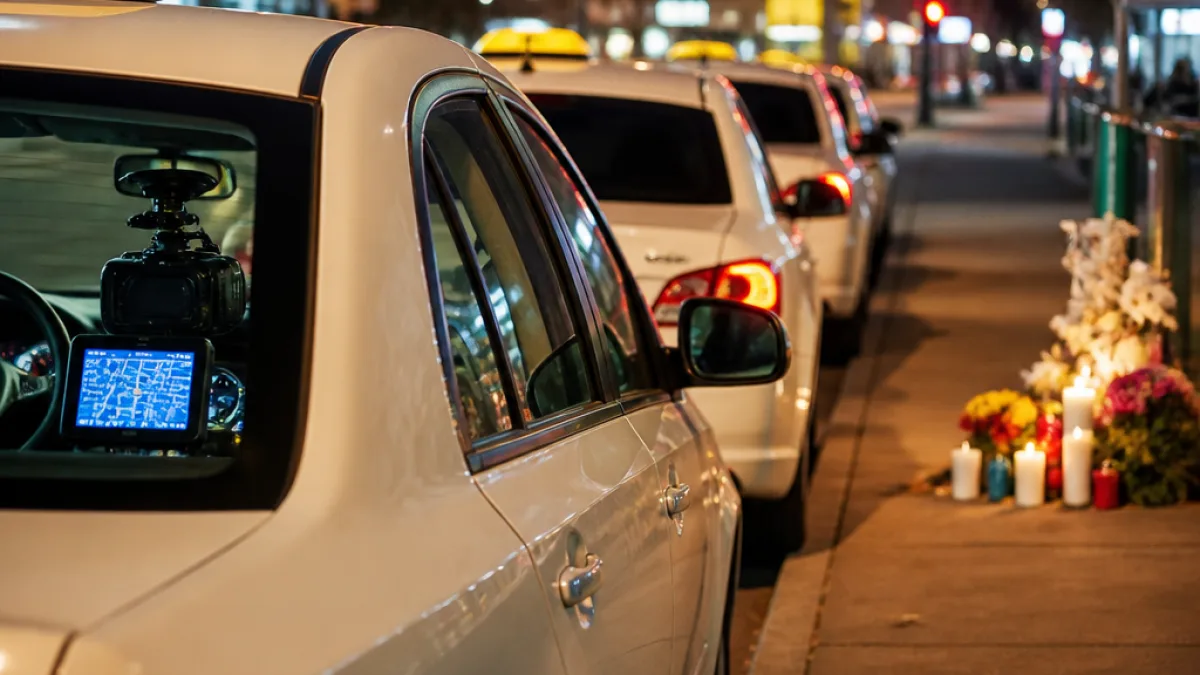
The City of Yellowknife is moving to require in-vehicle security cameras and GPS technology in all taxis, a change that officials say aims to improve safety for drivers and passengers. The mandate, which must be implemented by Jan. 31, comes against the backdrop of decades of evolving cab safety measures and recent reports that have raised concerns about passenger vulnerability on late-night trips.
History and local context
Interior security cameras began appearing in Canadian taxis in the late 1990s to deter robberies, protect drivers and help resolve passenger disputes. Throughout the 2000s, many municipal governments and taxi fleets adopted the systems either as an option or to complement physical barriers for drivers.
In Yellowknife, the issue is particularly resonant. The 2018 killing of taxi driver Ahmed Mahamud Ali — a 73-year-old driver known in the community as Uncle Ahmed — profoundly affected residents and prompted a re-examination of taxi safety. Ali, who fled Somalia in the 1980s and drove a cab for more than 20 years, used his earnings to support family and orphans back home. His death, and later convictions related to the crime, were among the factors that led the city to modernize and replace its Livery Licence By-law.
Why cameras now?
City consultations and public engagement sessions highlighted a mix of concerns. Some participants emphasised protection for drivers, while others pointed to risks faced by late-night passengers — particularly young Indigenous women. Social and mainstream media posts describing unnerving or frightening taxi rides after last call at bars prompted calls for clearer safety measures.
“If people know there are cameras, it is likely both drivers and passengers will behave better.”
The quoted observation came from a respondent during a public engagement session and summarises a common argument favoured by proponents of in-vehicle recording: the presence of cameras is a behaviour-modifying deterrent.
- Driver safety: Cameras can deter violent crimes against drivers and document incidents for police or insurers.
- Passenger protection: Recording may discourage sexual harassment or aggression and provide evidence when complaints arise.
- Accountability: GPS and time-stamped video can help reconstruct events, clarify disputes and support regulatory oversight.
Community concerns and practicalities
Despite the potential benefits, cameras and GPS raise privacy concerns for both drivers and customers. The public engagement referenced in the consultations suggested mixed views about who the technology primarily protects. Campaigners for women’s safety have pointed to social media accounts and a 2021 report by Northern News Services that documented at least one woman’s distressing experience in a taxi, a post that accumulated wide attention online.
City regulators must now balance competing priorities: ensuring the safety of drivers and patrons, safeguarding privacy, and specifying how footage is stored, accessed and retained. The mandate includes GPS technology, which also introduces questions about location data handling and access policies.
| Milestone | Detail |
|---|---|
| Late 1990s | Introduction of interior security cameras in Canadian taxis |
| 2000s | Many municipalities and fleets adopt camera systems |
| Nov. 2018 | Killing of Yellowknife taxi driver Ahmed Mahamud Ali |
| 2021 | Social-media reports amplify concerns about unsafe taxi rides |
| Jan. 31 (deadline) | City of Yellowknife requires taxis to have cameras and GPS |
Details on technical standards, whether audio will be recorded, how long footage must be kept, and who may access recordings were not specified in the material provided during the public engagement summary. Those specifics will determine how effective the policy is at protecting vulnerable passengers while respecting privacy and legal rights.
As Yellowknife moves toward the deadline, taxi companies and individual drivers will face costs and operational adjustments to comply. For residents, the change could mean greater reassurance when hailing cabs late at night; for others, it will prompt continued debate over surveillance in public-service settings.
The city’s mandate is a significant step in a broader, years-long shift in how northern communities manage safety in the livery sector — shaped by an awful local tragedy, evolving technology, and persistent community concerns about who needs protection most.