
Yellowknife property owners opened bills this summer to find some taxes had jumped sharply. The city says the shifts stem largely from a 2025 general assessment that re-evaluated every parcel of land and building in the municipality — the first comprehensive review in seven years — but homeowners say clearer advance communication was needed.
What changed: general versus annual assessments
Municipal officials note there are two assessment processes that determine how property taxes are calculated: the regular year-to-year assessment updates and a broader general assessment that re-values the entire tax base to current market values. The recent general assessment, completed in 2025 after being delayed by the 2023 wildfire evacuations, reset values across the city. Where values moved a long way from previous assessments, taxpayers can see a correspondingly large change in the municipal levy.
- General assessment (2025): city-wide revaluation of land and buildings.
- Annual assessment: smaller, routine adjustments applied each year.
- Result: some residents reporting sudden, substantial increases in their tax bills.
One Yellowknife homeowner and local financial adviser reported a tax increase equivalent to more than $200 a month, describing an almost 27 per cent jump in a single billing cycle. After sharing the increase on social media, he said other homeowners reported similar surprises.
City process and resident notice
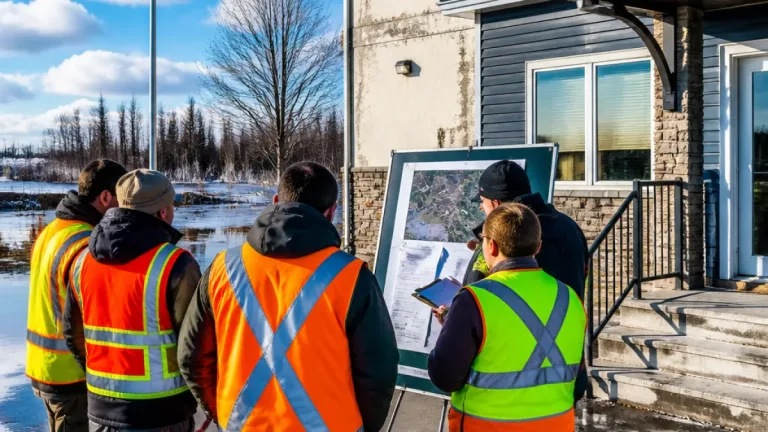
The City of Yellowknife says it sends three tax-related documents to property owners each year: a notice of assessment, an interim bill for advance payments and a final bill. The notice of assessment for the general revaluation was mailed in January. The municipality also runs open houses where residents can meet assessors and ask questions about their property values.
| Document | Purpose | When sent |
|---|---|---|
| Notice of assessment | Informs owner of assessed value used to calculate taxes | January (2026) |
| Interim bill | Advance payment opportunity | Between notice and final bill |
| Final bill | Amount owing after assessment and budget allocations | After interim period |
“I just want to understand,” a local homeowner said after seeing a large increase. “I just want to know what the purpose of the drastic increase is.”
Local consequences and next steps for residents
Higher bills affect household budgets and can shift the tax burden between property classes and neighbourhoods. For some, the increase is an unwelcome surprise that can complicate monthly cashflow; for the municipality, reassessments realign revenue expectations with market reality and underpin funding for municipal services.
Residents who receive a notice they do not understand are encouraged to use the channels the city provides: read the notice carefully, attend an assessor open house if scheduled, and contact the city’s assessment office for clarification. Where disputes arise, assessment appeal or review pathways exist through municipal processes — residents should check municipal materials for deadlines and instructions.
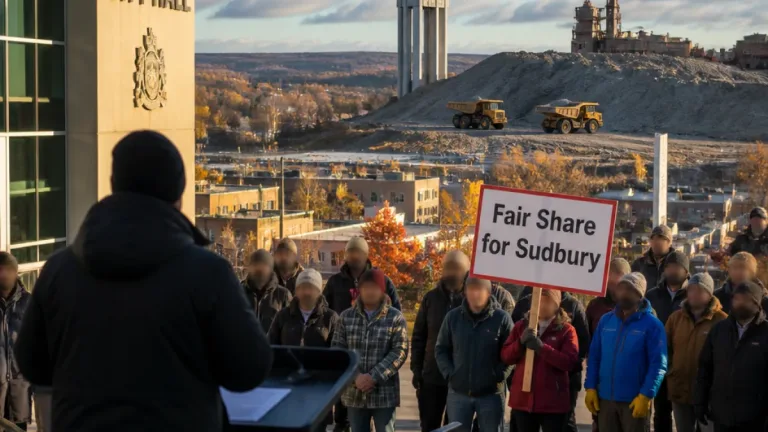
Several homeowners called for more proactive communication from city hall. While the city points to the standard three-mailing process and public open houses, residents say the scale of some increases required clearer advance explanation of the general-assessment reset and how it translates into tax changes.
Wider context
The 2025 general assessment follows a period of unusual disruption for Yellowknife. The wildfire evacuations in 2023 delayed what would have been the scheduled city revaluation, compressing the interval between assessments and creating a larger gap in market adjustments. Where market values moved significantly during that gap, the revaluation produced sharper swings in individual tax bills.
For many homeowners the change will mean an adjustment this year; for municipal planners the revaluation restores correspondence between taxable value and market value — a necessary step when market conditions shift materially. The immediate challenge is ensuring residents understand the process, timelines and options available to them as questions and appeals are worked through.