YELLOWKNIFE — A Yellowknife woman has paid almost C$6,000 out of pocket to travel south for medical testing that confirmed she has amyotrophic lateral sclerosis (ALS), drawing fresh attention to the absence of full-time specialist neurology services in the Northwest Territories.
Delays, repeated visits and mounting costs
Mary Rose Blackduck, 69, a former Tłı̨chǫ broadcaster for CKLB and CBC North, said she first sought help in Yellowknife after experiencing persistent muscle spasms, painful cramps and progressive weakness that eventually caused a fall and a broken foot. Despite several visits, she says local assessments did not identify the underlying condition.
Blackduck travelled to the University of Alberta Hospital where specialists conducted further testing and diagnosed her with ALS, a degenerative neurological disease that progressively damages the nerves that control muscle movement. The typical life expectancy after diagnosis is estimated at two to five years.
“I knew I was in trouble,” Blackduck said, describing the moment she realised something was seriously wrong. She later called ALS “a very dreadful, cruel disease.”
Her account reflects a pattern seen in many northern and remote communities: patients who require complex or specialist diagnostics must travel to southern hospitals, often paying significant sums for travel, accommodation and lost income. Blackduck’s near-C$6,000 expense covers flights, lodging and related costs for care not available full time in the territory.
Territorial health system limitations
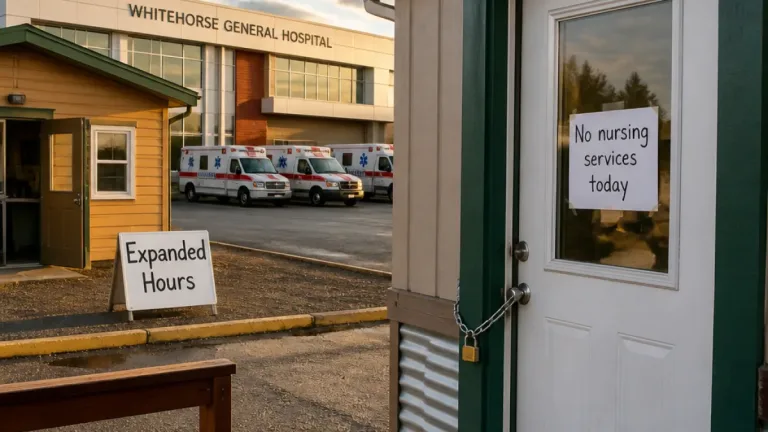
Health officials in the Northwest Territories acknowledge the territory does not have a full-time specialist to diagnose every case of ALS and other complex neurological conditions. Residents frequently rely on visiting specialists, telemedicine consultations and referrals to centres in Alberta and other provinces.
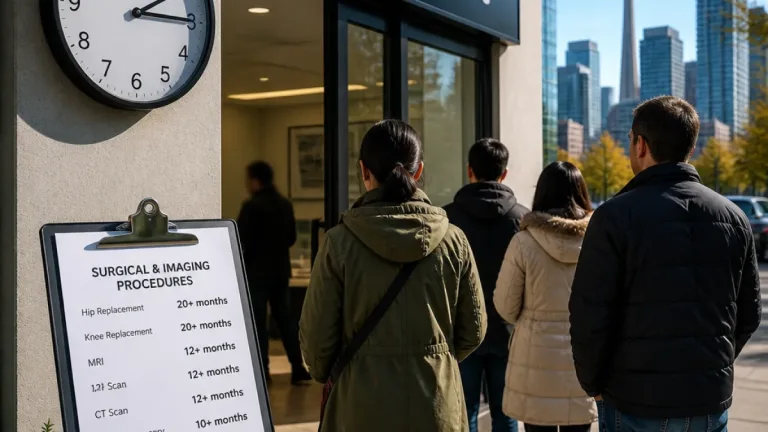
For residents with progressive illnesses, these service gaps can cause delays in diagnosis and in starting supportive care, which can have profound implications for symptom management, planning and access to disability supports.
Practical impacts for patients and families
Beyond the emotional shock of a terminal diagnosis, patients in the north face practical challenges, including:
- Out-of-pocket travel and accommodation costs to access specialists and advanced diagnostics;
- Disrupted family and community supports when individuals must relocate temporarily for care;
- Potential delays in initiating therapies, palliative planning and benefits tied to formal diagnosis.
Those barriers can compound the hardship of managing a rapidly progressive disease.
Context: ALS in Canada
Nationwide, ALS is rare but devastating. At any given time, approximately 4,000 Canadians are living with the disease, according to the ALS Society of Canada. Treatment focuses on symptom control, mobility aids, respiratory support and multidisciplinary care to maintain quality of life for as long as possible.
| Issue | Impact in the N.W.T. |
|---|---|
| Specialist availability | No full-time neurology specialist for ALS diagnosis |
| Out-of-pocket costs | Thousands of dollars per patient for southern travel |
| Care continuity | Relies on visiting specialists, telehealth and southern referrals |
What this means for policy and care planning
Blackduck’s situation raises questions for territorial health planners about access to timely diagnostics and equitable care. Options that health systems commonly consider include expanding telemedicine, increasing the frequency of visiting specialists, bolstering local diagnostic capacity and offering better financial supports for medically necessary travel.
For patients and families facing similar symptoms, health advocates suggest early documentation of neurological changes, insistence on referrals when symptoms progress, and exploring provincial travel-assistance programs that may offset costs for required out-of-territory care.
Community response and next steps
As Blackduck comes to terms with her diagnosis, her story has prompted conversations in Yellowknife and across the territory about how to better support residents who need highly specialised care. Local health authorities and community organisations will likely face renewed pressure to address service gaps that increasingly affect northern patients with complex conditions.
This case underlines the broader reality for many in the N.W.T.: geography and limited local specialist resources can turn a medical investigation into an expensive, stressful journey south — even when the disease being sought is life-limiting.
— Warren Lafferty, Northwest Territories Correspondent