The Yukon and federal governments are finalizing a bilateral funding arrangement that would deliver approximately $52.1 million to the territory’s health-care system over seven years, officials announced this week. The money is intended to address persistent staffing shortages, expand community-level services and relieve pressure at the Whitehorse General Hospital.
Where the money will go
Details are still being negotiated, but both territorial and federal representatives say the funding will be targeted toward specific operational gaps rather than broad structural reform. Areas named by Yukon officials include:
- Mental-health services — expanding access and supports for people with acute and ongoing needs.
- Community nursing — shoring up staffing in rural health centres that have faced prolonged closures.
- Walk-in clinic services in downtown Whitehorse — increasing capacity to help divert non-emergency cases from hospital emergency departments.
Yukon Health Minister Brad Cathers cautioned that the funding is not an instant fix but said it will help the territory make deliberate investments where they are most needed.
“We are dealing with a lot of pressures in the system. This will help us make some specific, targeted investments that we intend to make good use of ... [for] direct, tangible benefits for Yukoners.”
Strain on rural services and the hospital
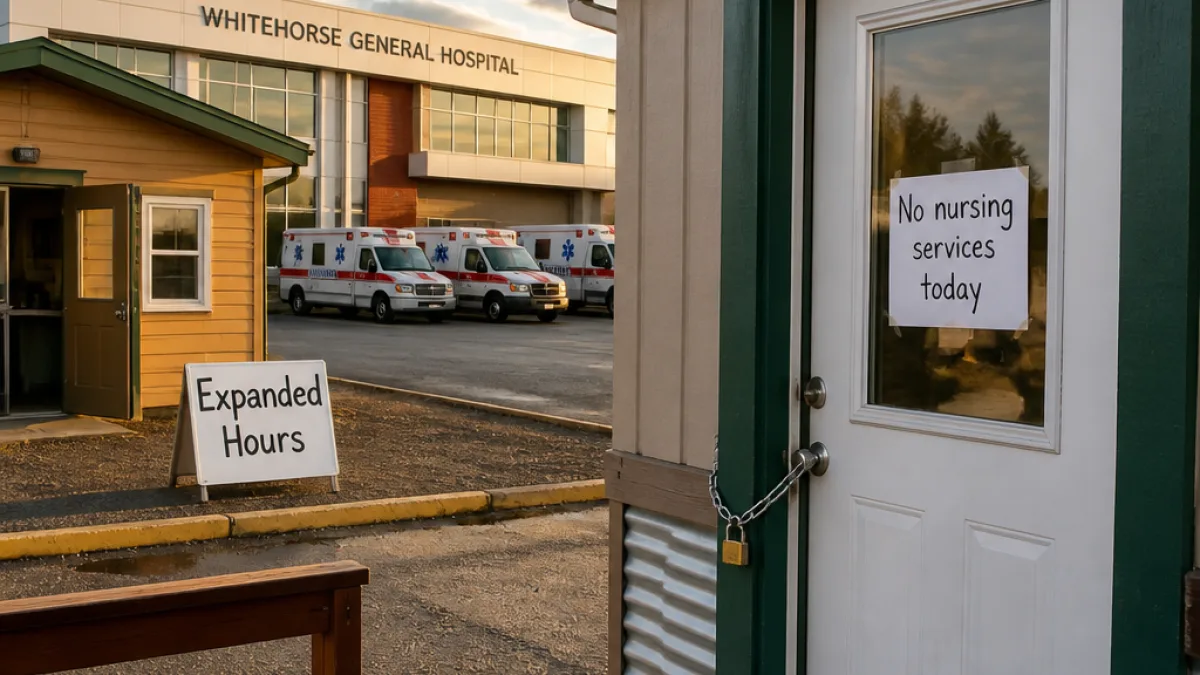
Health officials and community members have repeatedly raised concerns about chronic staffing shortfalls in rural Yukon. Between August 2025 and August 2026, rural health centres in the territory recorded a cumulative 214 days without nursing services available. Those gaps have left some communities dependent on medevac services, intermittent clinic hours or travelling health teams.
At the same time, the Whitehorse General Hospital has seen a renewed surge in patient visits that staff describe as pushing operations into the so-called "red zone", where high occupancy and resource strain increase risks to patient flow and care delivery. Expanding walk-in clinic capacity is one of the measures officials say could help relieve that pressure.
How much and how it breaks down
Officials say the $52.1-million figure spans seven years and equates to an average of a little more than $7 million per year. Final allocations and timelines will be specified once the bilateral agreement is signed.
| Amount | Term | Approx. annual value |
|---|---|---|
| $52.1 million | 7 years | ~$7 million |
What this means for Yukoners
Local patients and health workers will be watching how quickly the territory translates federal funds into front-line services. Community nursing funds could mean more reliable clinic hours and quicker access in remote communities; investments in mental-health care may expand counselling, crisis supports and referrals; and an expanded downtown walk-in clinic could provide an alternative for people with non-life-threatening concerns who otherwise go to the hospital emergency department.
But advocates and clinicians have warned that funding must accompany concrete workforce strategies — recruitment, retention, housing, and training — to be effective. The territory’s health minister acknowledged those systemic pressures and framed the federal contribution as a series of targeted steps rather than a cure-all.
Next steps
Both levels of government say they will finish negotiating the bilateral agreement in the coming months. Once finalized, officials expect the money to flow according to the timeline in the agreement and for specific project lists to be published as programs are established. For now, Yukoners can expect announcements about program design, timelines and community-level initiatives to follow.
As negotiations proceed, community health leaders and municipal officials said they want clarity on how the new funds will interact with existing territorial programs, how outcomes will be measured and how Indigenous governments and affected communities will be consulted on service changes.
Reporting from Whitehorse for WE NEWS.