Venezuela’s interim government announced the release of 131 people described as political prisoners on Friday, saying the detainees had been granted “alternative measures from incarceration” under its Program for Peace and Democratic Coexistence. The move comes amid broader shifts in the country’s political landscape following the removal of former president Nicolás Maduro early this year.
Numbers, verification and immediate aftermath
State statements and rights groups provided differing tallies as the releases were processed. Opposition movement Vente Venezuela said it had independently verified the freedom of 43 detainees, while the Foro Penal rights organisation reported that “at least 40” people had been released. Foro Penal also said that as of Aug. 10, some 391 political prisoners remained in custody.
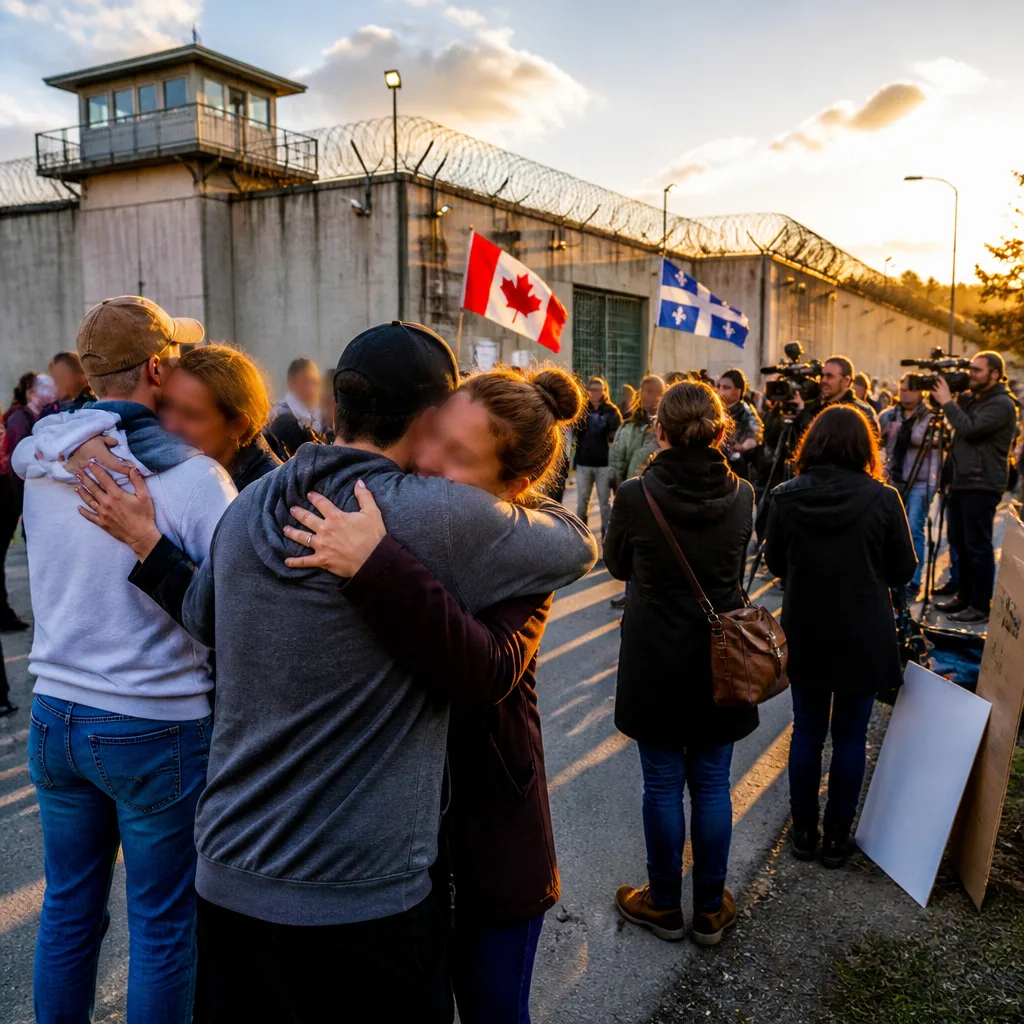
Former detainees were seen embracing family members outside El Rodeo I prison in Guatire, roughly 50 kilometres east of Caracas, in images circulated by international agencies. Foro Penal said 17 women were among those freed on Friday, including one individual accused of involvement in an assassination plot against Maduro.
International response and political context
The United States publicly welcomed the releases. U.S. Secretary of State Marco Rubio described the recent batch of releases as a vital development for national reconciliation, while noting the broader scale of freedom granted since January. Rubio said that since Maduro’s removal and detention on Jan. 3, a total of 1,046 Venezuelans had been released.
“The recent release of more than 130 political prisoners in Venezuela is a crucial step for the nation’s reconciliation process.”
The interim administration in Caracas is being led by Delcy Rodríguez, who previously served as Maduro’s deputy and now governs with marked U.S. influence, according to accounts accompanying the releases. Opposition figures welcomed the gesture but urged continued action.
“Each person returning home is an immense relief for families who have suffered too much,”
said opposition figure Juan Pablo Guanipa, reflecting calls for all political detainees to be freed.
What the numbers show
The figures offered by state authorities and rights groups point to both progress and remaining challenges. The disparate counts underline the difficulty of independently verifying releases amid ongoing political friction.
| Category | Number |
|---|---|
| Released on Aug. 14 (government claim) | 131 |
| Verified by Vente Venezuela | 43 |
| Verified by Foro Penal (minimum) | 40 |
| Reported remaining political prisoners (Aug. 10) | 391 |
| Total released since Jan. 3 (U.S. statement) | 1,046 |
Implications and next steps
These releases form part of a delicate recalibration of Venezuela’s internal and external politics. For the interim government, freeing detainees under an official programme serves both a humanitarian and political purpose: signalling willingness to negotiate and reduce tensions while the country navigates leadership transition and the impact of foreign involvement.
For rights organisations and opposition leaders, the announcement is a partial victory that falls short of full accountability or mass amnesty. Foro Penal’s remaining count suggests substantial numbers of detainees are still behind bars, and independent verification will be essential to confirm that releases continue and that freed individuals face no further legal reprisals.
- Observers will watch whether the interim administration honours further releases and allows unimpeded access for human rights monitors.
- International actors, notably the United States, are likely to interpret subsequent moves as indicators of Venezuela’s direction on reconciliation and rule of law.
- Families reunited at El Rodeo I underscore the human cost of the crisis and the immediate emotional impact of the releases.
As Venezuela adjusts to its altered leadership and recalibrates relations with foreign powers, the fate of the remaining detainees and the credibility of the reconciliation programme will be central tests of whether this phase leads to durable political stability or episodic concessions.