Detriot’s major automakers are preparing to tell U.S. officials that proposed changes to the North American trade framework could saddle them with billions of dollars in extra costs and weaken their ability to compete with overseas rivals, according to industry sources.
Industry pushback ahead of talks
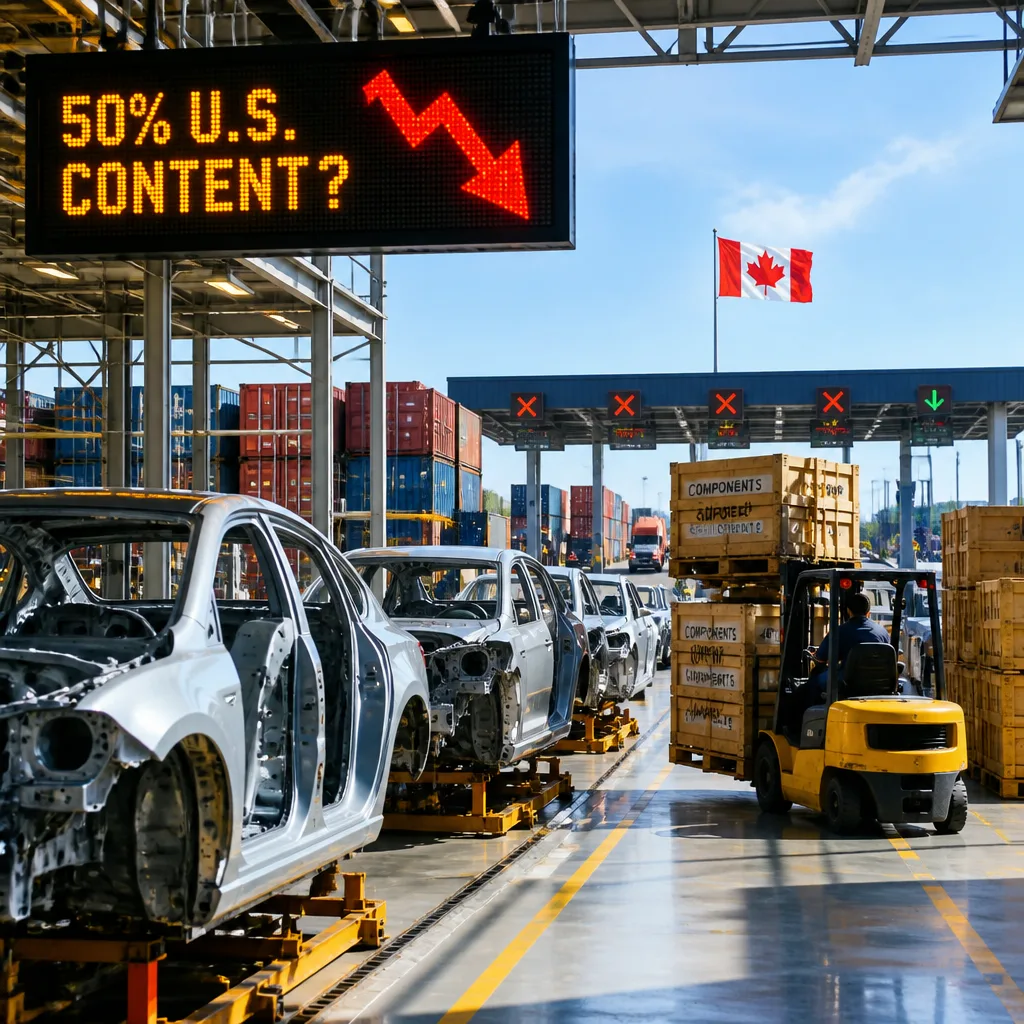
Executives and industry analysts say several measures being floated by the U.S. administration ahead of negotiations with Mexican officials next month would raise manufacturing costs substantially. Key among them is a proposal that would require cars to include a minimum of 50 per cent U.S.-made content to qualify for lower tariff treatment, along with plans to increase the overall regional content threshold above the current 75 per cent level.
Automakers argue those moves would come on top of a series of levies introduced by the administration last year, including tariffs on steel and aluminium and additional duties on vehicle parts and finished vehicles imported from Mexico and Canada. Industry estimates cited by the report indicate such changes could add at least US$2 billion a year in costs for each of the Detroit automakers.
"At least 50 per cent U.S.-made content"
Company statements and financial disclosures underscore the strain already felt from recent tariff actions. General Motors has forecasted that tariffs could generate gross expenses of between US$2.5 billion and US$3.5 billion this year, a burden that the company says could represent more than 20 per cent of operating profit. Ford Motor Company has estimated a net tariff impact of about US$1 billion this year.
Potential consequences for North American supply chains
Automakers contend that higher domestic content requirements and tighter regional sourcing rules would force significant reshuffling of supply chains and sourcing decisions. The transition could be costly and disruptive at a time when manufacturers are still absorbing last year’s tariff-driven expenses.
U.S. administration officials have defended the tariff measures as incentives to promote more domestic factory investment and job creation. But affected firms warn that accelerated or heavier domestic-content requirements will likely raise production costs and could reduce their competitiveness versus manufacturers in Europe, Japan and South Korea, which face lower tariff burdens on transpacific trade.
Numbers at a glance
| Item | Estimate / requirement |
|---|---|
| Minimum U.S. content proposal | 50% |
| Current North American content threshold | 75% |
| Estimated added annual cost per Detroit automaker | At least US$2 billion |
| General Motors tariff-related gross expense (2026 forecast) | US$2.5–3.5 billion |
| Ford Motor net tariff hit (2026 estimate) | ~US$1 billion |
Representatives for the U.S. Trade Representative’s office did not provide comment for the report. Administration officials have said their aim with tariffs is to encourage more onshore manufacturing and employment.
What to watch next
Negotiations scheduled between U.S. and Mexican trade officials next month will be closely monitored by the automobile industry and by governments in Canada and Mexico, given the region’s integrated manufacturing networks. Any adopted changes to content rules or tariff relief criteria would reverberate across border-spanning supply chains and could prompt manufacturers to reassess investment and production plans in all three countries.
- Automakers are preparing to present cost estimates to U.S. officials ahead of talks with Mexico.
- Proposed rules include a 50 per cent U.S.-made content minimum and an increase above the current 75 per cent North American content level.
- Tariff-related costs already imposed last year continue to affect automaker finances.
How Ottawa responds will matter for Canadian plants and parts suppliers that are tightly integrated into North American production. Any tightening of origin rules or escalation of tariff policy could trigger a reassessment of sourcing, investment and the competitive balance among automakers operating across the continent.
Further developments will be reported as talks begin and officials and industry provide additional detail.