President Donald Trump has threatened legal action against the Washington think tank Center for American Progress, demanding a retraction of a report that concluded his deployments of the National Guard to several cities “had no measurable effect on violent crime trends.” The centre declined to comply and said it would not be silenced.
Legal threat and political dispute
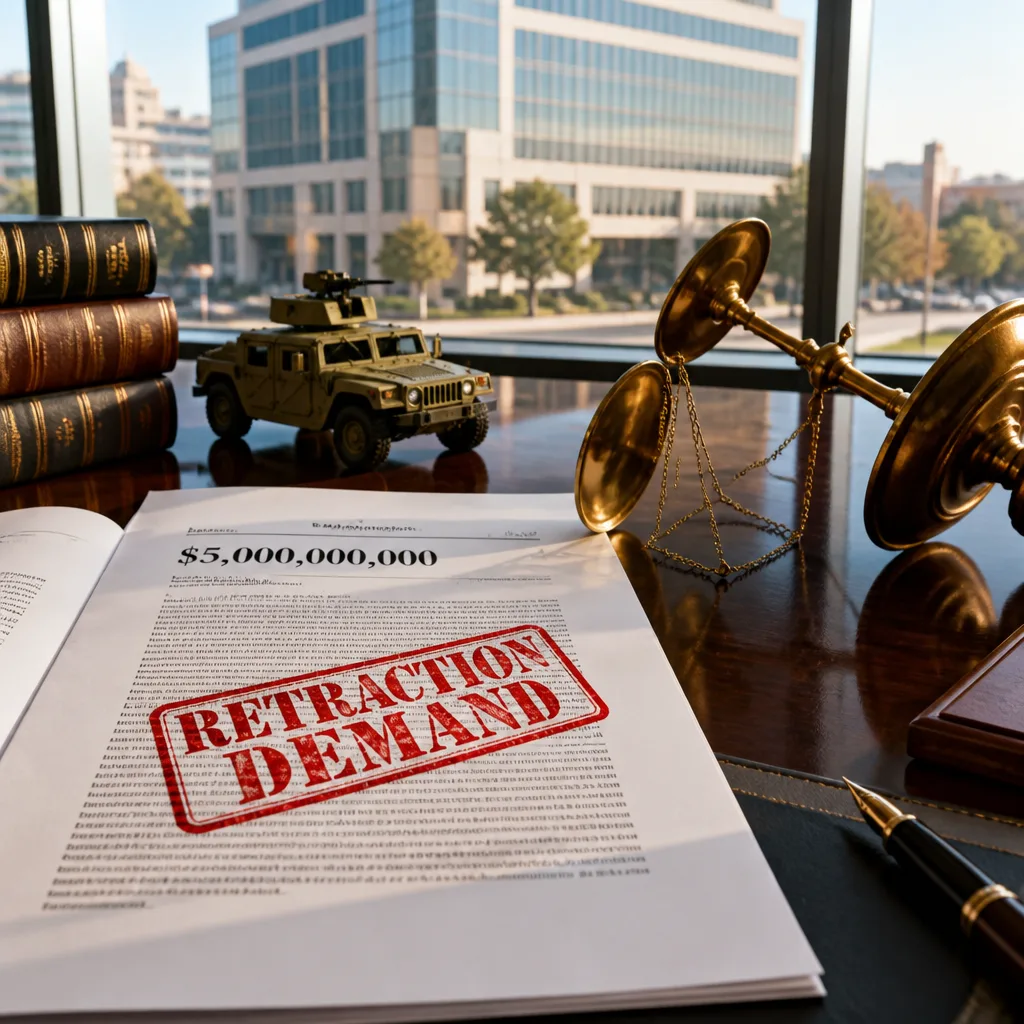
The dispute escalated after a July 13 report from the centre questioned the administration's claim that National Guard deployments were responsible for an historic drop in violent crime. In a letter sent Monday and first reported by The New York Times, Mr. Trump’s lawyer Alejandro Brito gave the centre until the end of business Friday to retract the findings or face a proposed $5-billion lawsuit.
The centre’s president and chief executive, Neera Tanden, said in a statement that the threatened litigation was “a transparent attempt to silence us.” She added the organisation “will neither cower nor bend in the face of it.”
“We will neither cower nor bend in the face of it.”
On the substance: crime data and attribution
The centre’s analysis — as summarised in its July 13 report — argued the downward trend in violent crime predated the White House’s National Guard deployments, and that the administration’s taking credit for the decline was therefore misplaced. The report’s core finding, according to the centre, was that the deployments “had no measurable effect on violent crime trends.”
Those conclusions place the think tank at odds with the administration’s narrative that the presence of troops in certain cities contributed to improved public safety. The legal letter characterises the report’s statements as false and defamatory, and seeks retraction rather than an immediate trial or public hearing.
Immediate reactions and implications
The centre refused the demand for retraction. The dispute raises questions about the use of civil litigation to challenge public research and the degree to which policy debates over crime-fighting measures are litigated rather than contested in the public arena.
- Key actors: President Donald Trump; Alejandro Brito, attorney for the president; Neera Tanden, president and CEO of the Center for American Progress.
- Core claim: The centre’s analysis concluded National Guard deployments did not measurably change violent crime trends.
- Demand: A retraction by close of business Friday or a proposed $5-billion lawsuit.
Context and legal contours
The face-off underscores broader tensions in how crime statistics and policy interventions are interpreted. Academic and policy organisations frequently publish analyses that attribute shifts in crime rates to a variety of causes — from policing practices and social programmes to demographic change and economic factors. The centre’s report situates the decline in violent crime within such a broader timeline and cautions against attributing the change solely to National Guard deployments.
From a legal standpoint, defamation claims against policy research raise complex questions about public-figure standards, proof of malice and the evidentiary thresholds required to prevail. The letter from Mr. Brito, as reported, asks for a retraction instead of immediately initiating court proceedings; the centre’s refusal sets the stage for potential litigation or further public contestation.
What to watch
Observers will be monitoring whether the president’s legal team files suit, whether the centre seeks to defend its methodology publicly or through independent review, and how the dispute shapes public understanding of both crime trends and the effect of military-style deployments in domestic settings. The outcome — whether a court action, settlement, or continued public debate — could influence how future policy claims are vetted and challenged.
| Date | Event |
|---|---|
| July 13 | Center for American Progress publishes analysis concluding Guard deployments had no measurable effect on violent crime trends. |
| Monday (reporting date) | President’s lawyer sends letter demanding retraction or proposing a $5-billion lawsuit (reported by The New York Times). |
The dispute is unfolding at the intersection of criminal-justice policy, political messaging and legal strategy, with implications for how evidence is marshalled in national debates over security and public safety.