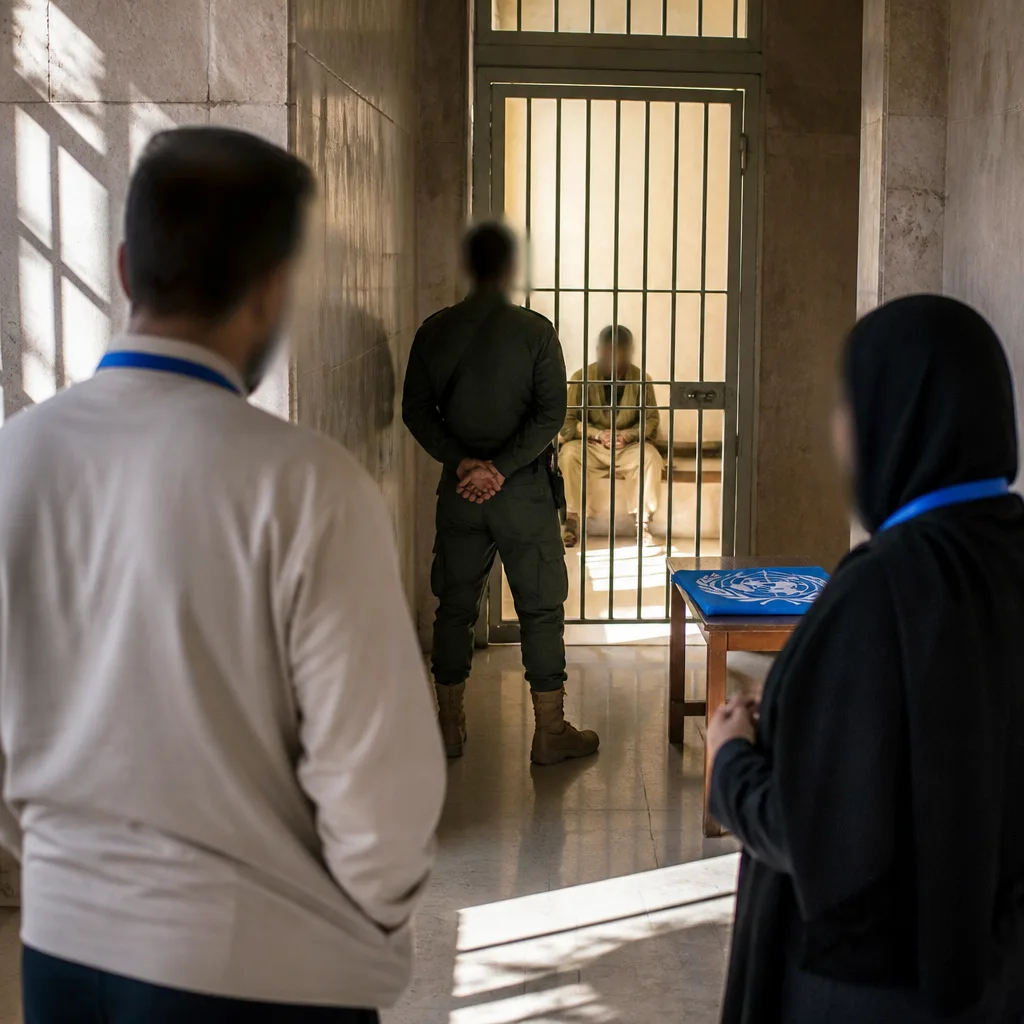
Two Afghan staff members of the United Nations political mission in Afghanistan were detained by the Taliban’s intelligence service in the western city of Herat, the U.N. said Wednesday, a move that prompted urgent calls to protect U.N. personnel and preserve humanitarian access in a country facing a deepening crisis.
Details of the detentions and U.N. response
The General Directorate of Intelligence, an arm of the Taliban authorities, detained the two men on Sunday, U.N. deputy spokesman Farhan Haq told U.N. reporters. The mission has not been notified of the charges, nor has it been allowed to visit the detained staffers, Haq said.
“to ensure compliance with the privileges and immunities of the United Nations and its officials,”
The U.N. mission’s mandate from the U.N. Security Council includes promoting and supporting humanitarian assistance, advancing human rights and equality for women and girls, fostering inclusive governance and working toward economic stability. The detentions therefore strike at the heart of the mission’s ability to carry out those duties.
Humanitarian and operational consequences
The arrests occurred amid a worsening humanitarian crisis in Afghanistan, a country described by the U.N. and humanitarian agencies as poverty-stricken and in urgent need of assistance. International aid delivery depends heavily on safe and unhindered access for U.N. and non-governmental organisations; detaining mission staff heightens concerns about intimidation and interference.
- Two Afghan U.N. mission staff detained in Herat.
- The mission has not been informed of charges or allowed visitation.
- Detentions raise alarm about the safety of aid workers and the U.N.’s ability to deliver assistance.
Fereshta Abbasi, an Afghanistan researcher at Human Rights Watch, warned the detentions “seriously threaten the U.N.’s work throughout Afghanistan and its ability to deliver lifesaving aid.” She urged Taliban authorities to release those detained and ensure that aid agencies can operate without interference.
Context: restrictions and cross-border tensions
Since seizing power on Aug. 15, 2021, Taliban authorities have progressively tightened restrictions across Afghan society. In the months and years after the takeover, the Taliban banned girls from secondary education and later extended limitations affecting higher education, employment and other sectors, effectively excluding many women and girls from public life — a central concern of the U.N. mission’s human rights work.
The detentions also come against a backdrop of escalating cross-border violence between Taliban forces and Pakistan. Clashes intensified earlier this year when Afghan forces reportedly launched a raid into Pakistan in response to Pakistani airstrikes inside Afghanistan; Islamabad later declared it was in “open war.” Such tensions complicate the security environment in which humanitarian and diplomatic actors operate.
| Item | Detail |
|---|---|
| Number detained | 2 |
| Location | Herat |
| Detaining authority | General Directorate of Intelligence (Taliban) |
Implications for the U.N. and aid operations
The U.N. has publicly called on the Taliban to respect the organisation’s privileges and immunities — legal protections that facilitate the work of U.N. personnel in complex and often dangerous environments. Without clarity on the reasons for detention or access to the detained staff, the mission’s capacity to monitor human rights, coordinate relief and engage in diplomacy will be constrained.
Human Rights Watch and other observers view the episode as part of a pattern of pressure on international and local actors in Afghanistan. If the Taliban continue to detain or restrict U.N. personnel, international partners may face difficult decisions about how to sustain assistance operations that millions of Afghans rely upon.
For now, the immediate priority set out by the U.N. and rights groups is the prompt release of the detained staff and guarantees that aid agencies can operate free from intimidation and interference.