
Canada recorded only a modest uptick in incoming international visitors during the FIFA World Cup months, according to newly released Statistics Canada figures, offering an early data point in the debate over whether hosting the tournament delivered broad short‑term tourism gains.
Small overall increase, concentrated gains
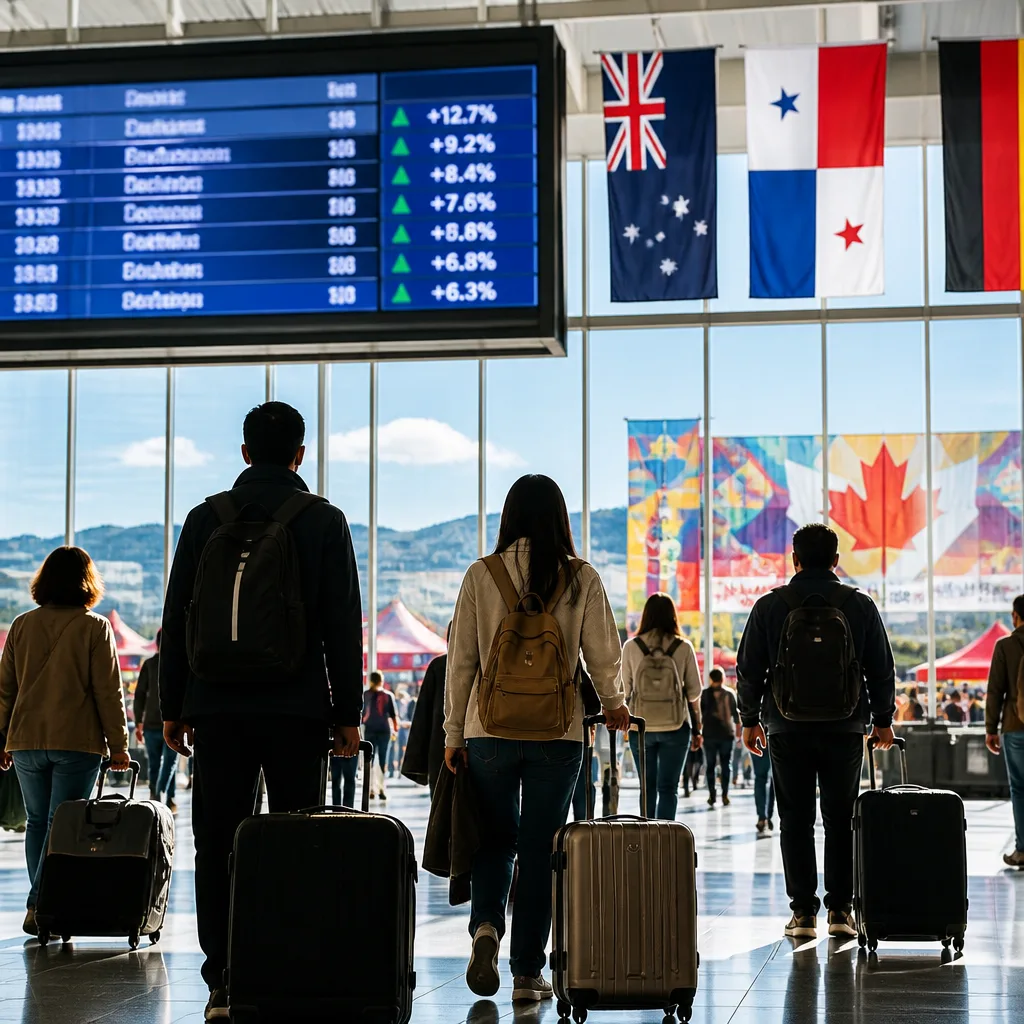
Arrivals to Canada rose by 3.3 per cent in June and 5.8 per cent in July, translating to roughly 76,000 additional visitors across the two months, Statistics Canada reported. Much of the increase came from countries with teams that played matches in Canada — an uplift of about 33,000 visitors, chiefly from Australia, Panama and Germany.
| Month | Change in arrivals | Approx. additional visitors |
|---|---|---|
| June | +3.3% | ~76,000 (June–July) |
| July | +5.8% |
The federal data underscores that while major match cities experienced visible crowds and public festivals, the broader impact on international visitation was limited.
Local enthusiasm, limited tourist conversion
In Vancouver, for example, high-profile fan events — including the FIFA Fan Festival at the PNE, the Granville Street block parties and fan zones leading to BC Place — drew packed gatherings. Still, tourism analysts caution that visible street crowds do not necessarily equate to substantial international tourist spending.
“This was never an event that was going to deliver the economic benefits promised. It was always going to cost more, it was always going to lose money, and the fact that the data is now bearing it out is not at all surprising to me,” said Moshe Lander, a sports economist at Concordia University.
Experts have pointed out that many attendees at such gatherings were likely local supporters rather than out‑of‑province or international visitors, which limits any immediate tourism windfall.
Political and economic implications
The modest visitor gains come amid discussion over the cost and expected legacy of hosting global sporting events. The B.C. government has repeatedly framed its role in hosting matches as an opportunity to generate long‑term economic benefits by showcasing the province internationally. At the same time, economists and critics have questioned whether the short‑term tourism impact justifies the expenditures involved.
The FIFA Organizing Committee has said a comprehensive accounting of the tournament’s economic impact will be released next spring. That report will be closely watched by provincial and federal officials, industry groups and economists looking to assess net benefits after factoring in spending, security, infrastructure and operational costs.
- Short term: Data shows a modest lift in arrivals concentrated among fans from a handful of countries.
- Local effects: Fan zones and match‑day crowds were prominent, but likely included many local residents.
- Next steps: A full economic accounting by FIFA’s Organizing Committee is expected next spring.
For now, Statistics Canada’s snapshot provides an early measure of the tournament’s immediate reach into international tourism; whether those visitors translate into broader economic returns will depend on the forthcoming financial accounting and longer‑term analyses of visitor spending patterns and legacy investments.