Southeastern Manitoba communities are moving from reaction to planning after two years of intense rain events overwhelmed local infrastructure and prompted residents and officials to seek long-term solutions.
Federal funding prompts local assessments
As part of a national initiative, nearly 20 Manitoba municipalities received grants to assess climate risks and propose resilience measures. The program, which provides up to $530 million across Canada, awarded smaller planning grants to towns in the region — including $70,000 each to numerous municipalities and $140,000 to Winnipeg — to identify vulnerabilities and outline adaptation steps.
Residents packed an open house in Niverville this week to review the town’s draft climate-adaptation work, and Steinbach’s council received a final draft of its plan earlier this week. The funding is intended to help municipalities prioritise actions to reduce damage from increasingly frequent severe weather.
What local planners are flagging
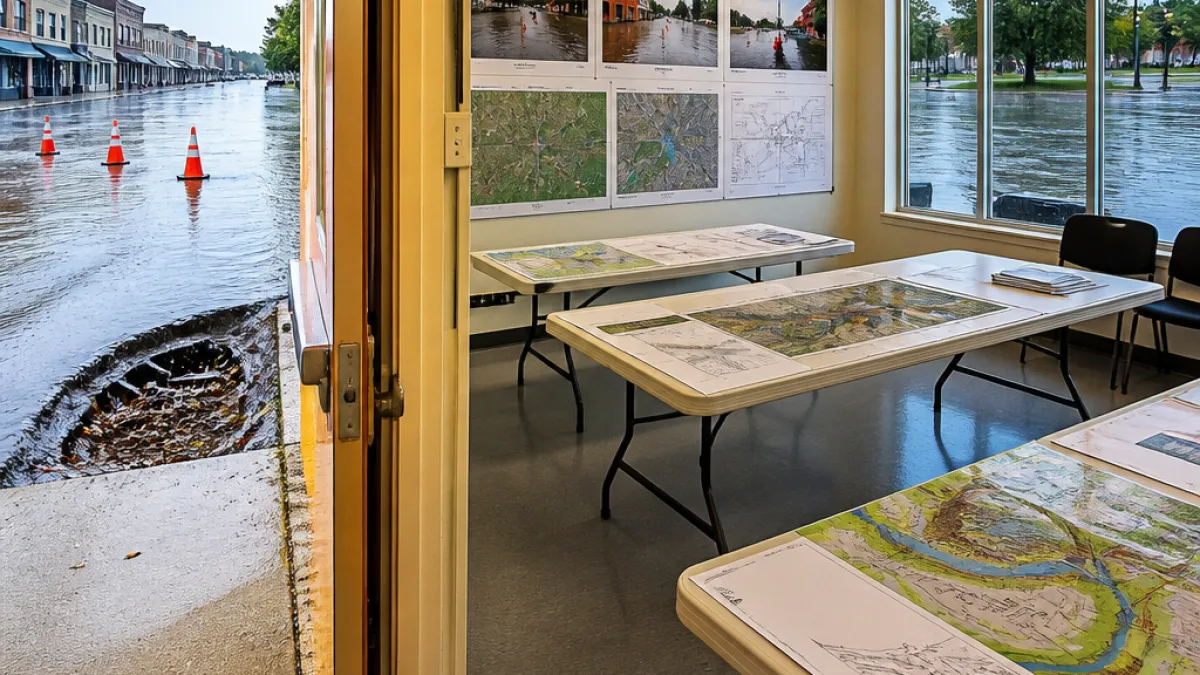
In Steinbach, planners and engineers from WSP identified the most pressing threat as heavy rainfall that can overwhelm wastewater systems. City officials say the September 2024 and September 2025 downpours brought concentrated rainfall levels that exceeded historical expectations and produced widespread disruption.
"It's very, very important because we've seen the detrimental effects of severe weather," Steinbach Mayor Earl Funk said.
At the Niverville open house, residents raised concerns about future impacts on homes, roads and drainage. Parents expressed anxiety about what a changing climate means for younger generations; one father at the meeting described worrying about the future for his one-year-old daughter.
Local impacts and priorities
Municipal plans emerging from the grants typically focus on a combination of infrastructure upgrades, policy changes and community preparedness. Common priorities include:
- Upgrading stormwater and wastewater systems to handle higher peak flows
- Improving drainage and culvert capacity on local roads
- Revising land-use policies to reduce development in flood-prone areas
- Enhancing emergency response and early-warning systems
Officials stress that assessment studies funded by the grants are the first step; they identify priorities and cost estimates so municipalities can seek capital funding for construction and upgrades.
Funding and next steps
Winnipeg’s larger grant will fund a more comprehensive adaptation plan, with a presentation expected next summer. For smaller towns, the $70,000 planning grants are being used to map vulnerabilities and recommend targeted actions. Local councils will review consultant reports and decide which recommendations to act on or pursue further funding for.
| Municipality | Grant | Primary focus (reported) |
|---|---|---|
| Steinbach | Part of provincial allocation | Stormwater and wastewater system overload |
| Niverville | $70,000 | Climate vulnerability assessment, local resilience |
| Winnipeg | $140,000 | City-wide adaptation plan (presentation next summer) |
What residents should know
These studies do not by themselves fund construction. They are designed to establish evidence-based priorities so municipal councils can apply for infrastructure dollars or adjust bylaws and planning policies. Residents can expect further public consultations as councils consider capital projects or bylaw changes emerging from the recommendations.
For homeowners and small businesses, short-term steps include reviewing insurance coverage for overland flooding, maintaining clear drainage around properties and staying informed about municipal emergency plans and alerts.
Community voices and long-term outlook
At public events, attendees expressed a mix of urgency and a desire for practical answers. Some said recent storms felt like a sign that long-held assumptions about once-in-a-century events are no longer reliable, while officials emphasised the need to balance immediate repairs with long-term planning.
Municipal adaptation planning is one element of a broader response to changing weather patterns across the Prairies. The assessments funded by the federal initiative aim to give local leaders the technical groundwork to make infrastructure investments that reduce risk and protect communities as the climate continues to change.
As towns such as Niverville and Steinbach move from study to action, residents and elected officials will be watching for how recommendations are prioritised, funded and implemented.