RIO DE JANEIRO — As crime dominates public concern ahead of Brazil’s October presidential vote, residents of Rio de Janeiro are crafting their own strategies to blunt the influence of organised crime while political leaders argue over tougher policing and federal coordination.
Local initiatives fill perceived gaps left by law enforcement
After a police operation last year that became the deadliest in the city’s history — with more than 120 people killed — the debate over how best to confront gangs has sharpened. Candidates trade competing approaches: one promising a hard line to loosen organised crime’s hold, another urging a stronger federal role and better intergovernmental cooperation.
Meanwhile, residents, former gang members and family members of victims are stepping into roles they say law enforcement and politics have not filled.
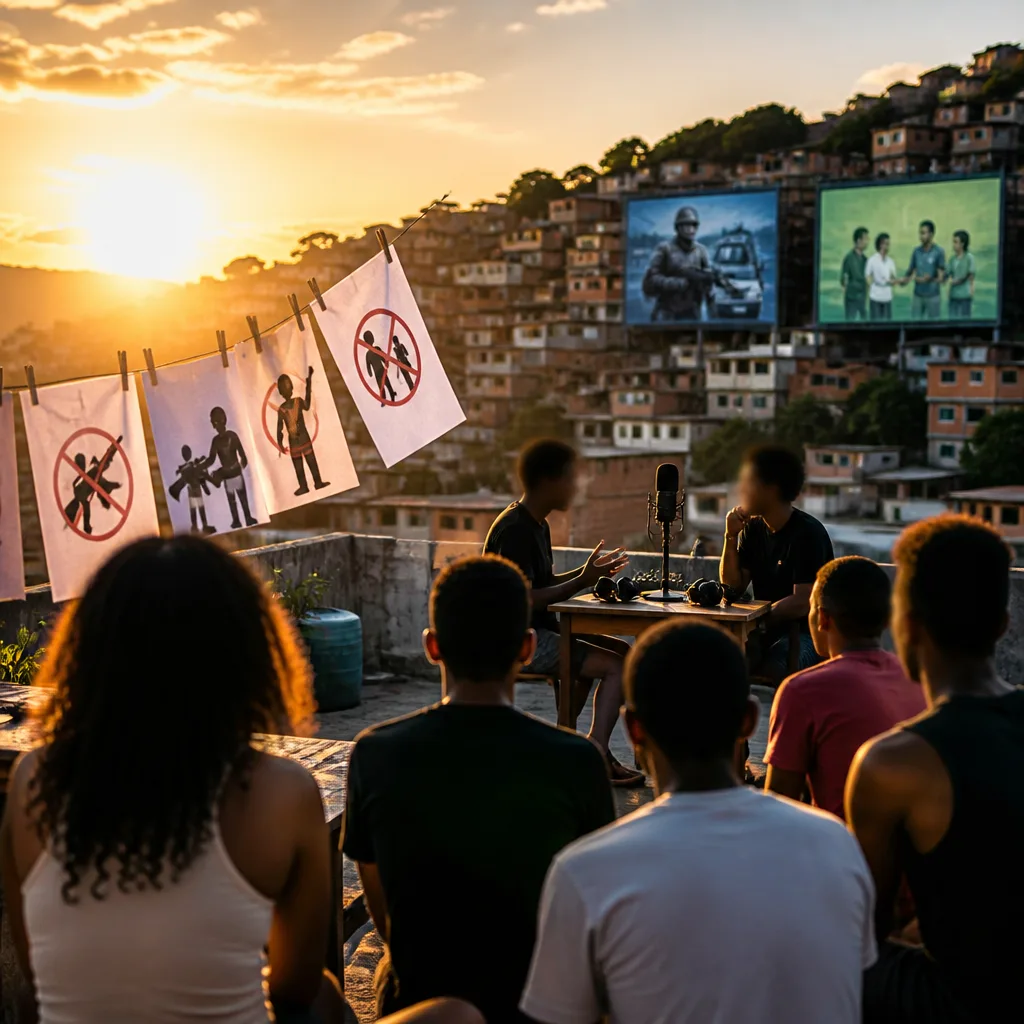
Among the locally driven projects is 01 Sobreviventes (01 Survivors), a podcast founded by former traffickers that seeks to dissuade young people from joining gangs by publicly confronting the costs of that life. The show, recorded weekly on Rio’s outskirts, reached more than 225,000 followers on Instagram within months of launching in 2024.
“We want to propagate the idea that crime isn’t worth it,” said host Fábio Santos, a 56‑year‑old former trafficker from the Manguinhos favela who spent 25 years in prison. “We want them to follow our current lives so that they don’t go through what we went through.”
What residents are doing
- Ex‑traffickers produce podcasts and interviews to expose the realities of gang life.
- Grieving mothers and community groups work to prevent youth recruitment and provide alternatives.
- Local leaders push for non‑confrontational, community‑centred measures they say reduce indiscriminate loss of life.
Community organisers and experts quoted in reporting say the current emphasis on armed confrontations between police and criminal groups often fails to curb violence and can cause indiscriminate civilian deaths. They present community initiatives as both a moral imperative and a practical complement to state action.
Numbers that frame the debate
| Item | Figure |
|---|---|
| Followers of 01 Sobreviventes on Instagram | 225,000+ |
| Deaths in Rio’s deadliest police operation | more than 120 |
Those figures have helped shape public opinion. Polling following the lethal operation showed popular support for tougher policing, a dynamic candidates have seized on. One contender is campaigning on a pledge to roll back organised crime’s influence in Rio; his main rival calls for an expanded federal role and improved coordination among government agencies.
But residents leading grassroots projects say political rhetoric focused on militarised crackdowns misses important factors that draw young people into illegal networks: poverty, lack of opportunities and social dislocation. In their view, testimony from those who have left gang life — and from families directly affected by violence — offers a different kind of deterrent and a persuasive case for prevention.
These local responses are varied. Some aim to change perceptions and dissuade potential recruits by broadcasting personal stories; others concentrate on support for families and youth, attempting to provide real alternatives that law enforcement alone cannot supply. Organisers say the combination of lived testimony and community supports may reduce appeal of criminal groups over time.
As Brazil approaches its election, the interplay between elite proposals — whether hardline security measures or enhanced federal intervention — and ground‑level experiments will be a key test of what works in a city long afflicted by entrenched organised crime. For now, residents in Rio are betting their own experience, and their own voices, will be central to any durable change.