RIO DE JANEIRO — With crime topping voter concerns ahead of October’s presidential vote, residents of Rio de Janeiro are devising their own strategies to blunt gang influence, arguing that heavy-handed policing frequently leads to indiscriminate loss of life.
Local initiatives fill gaps left by national debate
The national conversation has been framed by competing promises to restore order. Senator Flávio Bolsonaro, son of former president Jair Bolsonaro, is campaigning on tougher measures to loosen organised crime’s grip, particularly in Rio. President Luiz Inácio Lula da Silva has pushed for an expanded federal role and better institutional coordination.
Meanwhile, residents and community leaders say neither approach adequately addresses the immediate social and civic needs that make gangs attractive to young people. They have begun responding directly — offering prevention, witness perspectives and alternatives to violence.
Former traffickers turned messengers
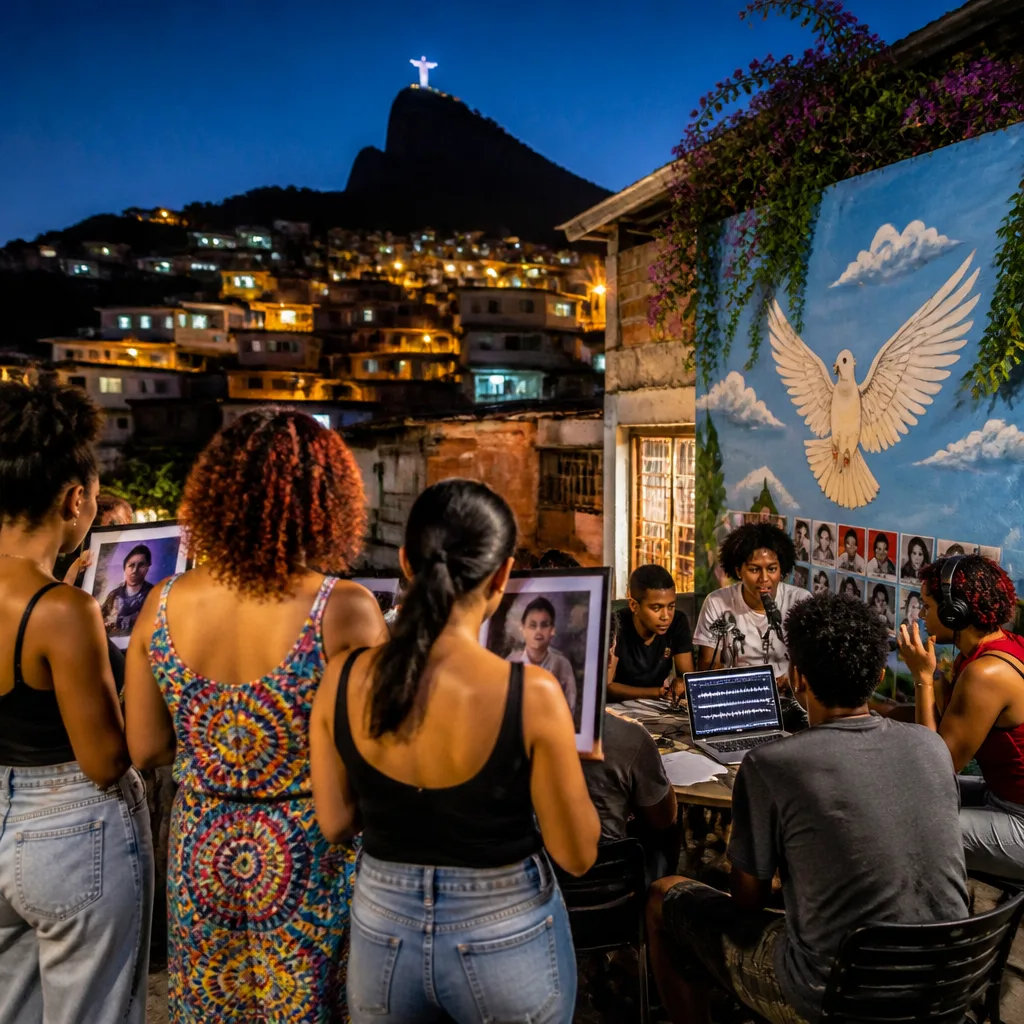
One notable effort is a podcast produced by former traffickers that seeks to dissuade young people from entering criminal life. The programme, launched in 2024, brings together ex-members of the drug trade to discuss their pasts and the consequences they faced.
“We want to propagate the idea that crime isn’t worth it,” said host Fábio Santos, a 56-year-old former trafficker from the Manguinhos favela who spent 25 years in prison.
The show has attracted attention: its Instagram account has more than 225,000 followers. Organisers say airing personal testimonies and follow-up stories of guests now living different lives are central to their prevention message.
Why residents say policing alone falls short
Community figures and experts interviewed in coverage of the city’s responses argue that a strategy prioritising armed confrontations between police and criminal groups is often inefficient and can increase civilian casualties. They point to last year’s police operation — described as the city’s deadliest — which resulted in more than 120 deaths, as evidence of the human cost.
Those on the ground say local projects aim to address root causes, provide social alternatives and offer first-hand testimony of the consequences of gang involvement, efforts they believe are necessary regardless of the federal policy direction decided in October.
- Former criminals host weekly podcast episodes to speak about life after crime.
- Grieving family members and community groups work to prevent youth recruitment.
- Local leaders call for alternatives to armed confrontation, citing high civilian death tolls.
| Indicator | Figure |
|---|---|
| Deaths in last year’s police operation | 120+ |
| Podcast social media following | 225,000+ |
| Host’s time in prison | 25 years |
These community responses highlight a broader debate over the effectiveness of force-based tactics. Support for hard-line measures remains popular in polls, as many Brazilians seek rapid reductions in violent crime. Yet local actors contend that sustainable change requires addressing social networks, economic incentives and community trust — areas that policing alone cannot resolve.
As campaign rhetoric intensifies, the initiatives emerging from Rio’s favelas will test whether grassroots prevention and reintegration narratives can affect public perceptions and policy priorities. For residents who have lost family members or watched neighbourhoods transform under the weight of factional violence, those projects are a pragmatic attempt to reduce harm now, irrespective of the national outcome in October.
Coverage of Rio’s responses underscores the dual nature of the crisis: a political contest over security strategies at the highest levels of government, and a patchwork of local efforts seeking immediate remedies to protect lives and disrupt recruitment into gangs.