Prosecutors in the killing of conservative commentator Charlie Kirk told a Utah court this week that an engraved bullet recovered from the suspected murder weapon and a text message from the accused show the slaying was motivated by politics — a finding that, if accepted, would be central to whether the defendant faces the death penalty.
Prosecutors highlight inscription and messages
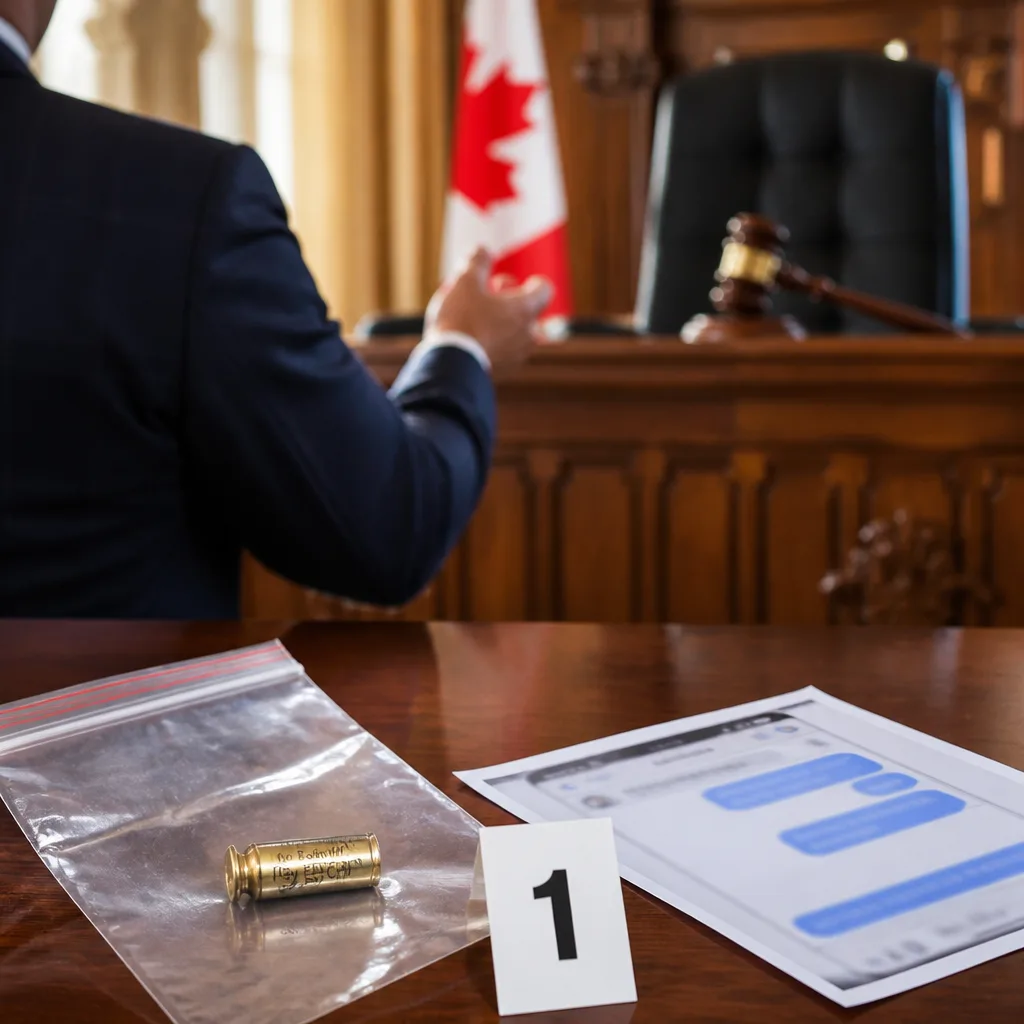
In a court filing dated Aug. 18, prosecutors said the inscription — reported as “Hey Facist! CATCH!” — found on a bullet represented an "overt political reference" and evidence the accused viewed Kirk through a political lens. The filing also cites a text message allegedly written by the defendant in which he said:
"I had enough of his hatred. Some hate can’t be negotiated out."
Those items are central to the prosecution’s bid to establish aggravating factors that would make Tyler Robinson, 23, eligible for capital punishment if convicted. Prosecutors have listed political targeting and the allegation that the shooting endangered thousands of attendees at a Sept. 10 event at Utah Valley University among the aggravating circumstances.
Court process and competing legal filings
Robinson, who has been charged with aggravated murder among other offences, turned himself in a day after the shooting. He has not yet entered a plea. Defence lawyers have pushed back, arguing the quoted text message alone does not prove political motive and challenging analysts’ findings presented during an earlier hearing.
The latest filings follow a five‑day preliminary hearing in July when prosecutors described the evidence as "overwhelming," while defence counsel sought to raise doubts about forensic analysis. Judge Tony Graf has scheduled further argument for Sept. 1, when he will decide whether the matter should proceed to trial.
Why political motive matters
Under the prosecution’s theory, establishing that the killing was driven by political animus would qualify as an aggravating factor — a legal threshold that can be decisive in whether prosecutors seek the death penalty. The defence is contesting that characterization, reflecting a typical division in capital‑eligible cases where motive and context determine the range of permissible punishments.
The prosecution also argues that the location and timing of the shooting amplified its severity. Kirk was at an event that drew a large crowd; prosecutors say the act endangered thousands of other attendees. That contention, if proved, would form a separate aggravating circumstance under the charging documents.
- Accused: Tyler Robinson, 23
- Victim: Charlie Kirk (conservative commentator)
- Key evidence cited: engraved bullet reading “Hey Facist! CATCH!” and an alleged text message
- Next court date: Sept. 1 (Judge Tony Graf to rule whether case advances to trial)
| Event | Date |
|---|---|
| Alleged shooting at Utah Valley University event | Sept. 10 (year as in source) |
| Preliminary hearing | July (five days) |
| Prosecutors’ filing citing engraved bullet | Aug. 18 |
| Judge to hear further arguments | Sept. 1 |
Broader implications
The dispute unfolding in Utah touches on larger questions about political speech, violence and the criminal justice response. If the court accepts that the killing was politically motivated, it would underscore concerns about attacks driven by ideological animus and could influence sentencing exposure in other high‑profile cases across the United States.
Defence counsel have not yet publicly filed detailed responses in the most recent submission and did not immediately respond to a request for comment on the prosecutors’ Aug. 18 filing. The case remains in a pretrial posture as the judge considers whether enough evidence exists to send the matter to trial.
As the legal process moves toward September, prosecutors and defence lawyers will continue to litigate the central question the filing raises: whether the accused’s actions were ordinary criminal conduct or an act of political violence with capital consequences.