The Nunavut Department of Health has issued a territory-wide warning asking residents to exercise caution around dogs after what officials describe as “several” recent attacks.
Public health alert after child medevaced to Iqaluit
The department released a public service announcement on Monday afternoon urging Nunavummiut to be vigilant, particularly with children. Officials would not disclose where the incidents occurred or how many people were injured, citing privacy concerns.
One incident reported to local media involved an 11-year-old girl who was medevaced to Iqaluit last week with serious injuries to her head and face after a dog attack. The case has prompted renewed emphasis on basic safety measures and immediate medical attention for dog bites and scratches.
Practical safety guidance for families
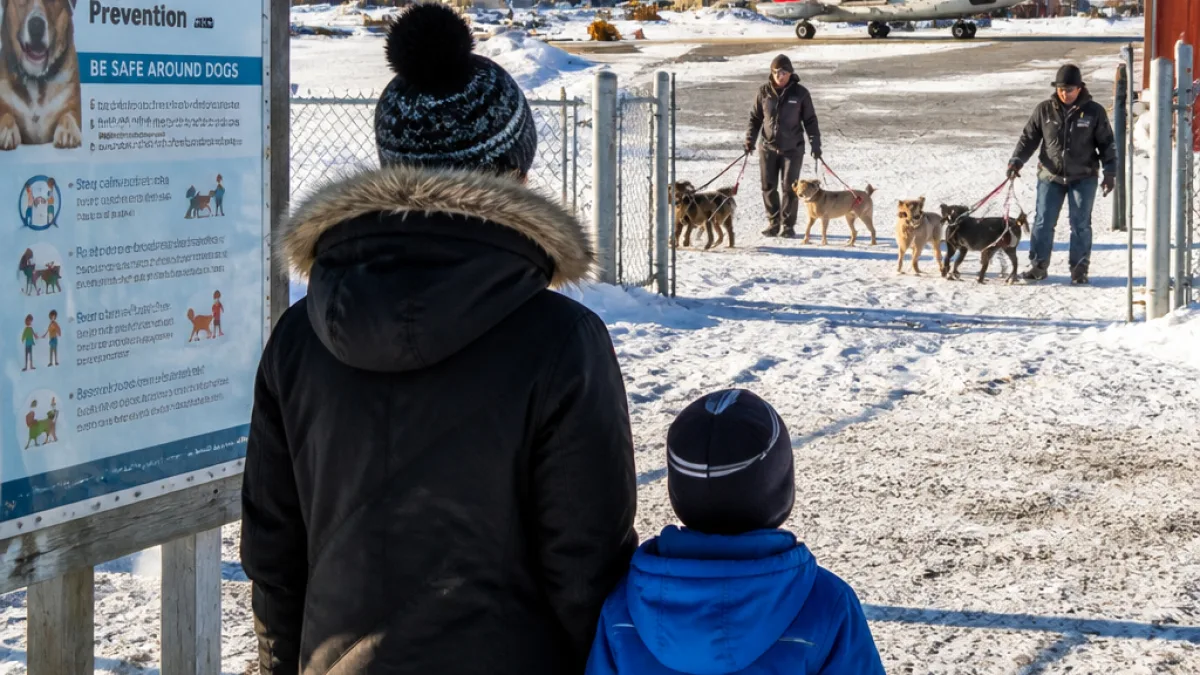
The department’s advisory lists straightforward precautions meant to reduce the likelihood of an encounter turning dangerous. Officials recommend people keep their distance from stray dogs, give space to mothers with pups, avoid dogs that are eating and do not disturb sleeping animals. The release also asks that people ask permission before petting a dog.
- Avoid approaching unknown or loose dogs.
- Teach children not to run toward or away from dogs — sudden movements can provoke a bite.
- Never disturb a dog that is eating, nursing pups, or appears ill or injured.
- If you are unsure whether a dog is friendly, keep a calm, still posture and do not make eye contact.
“Any dog can bite,”
the department quoted spokesperson Charmaine Deogracias in the announcement. Deogracias also said the health authority would not provide details about the recent incidents, citing privacy for those affected.
Rabies concerns and what to do after a bite
Because of the possibility of rabies, the department made clear that anyone who is bitten or scratched should wash the wound immediately with soap and water and then seek care at their local health centre without delay.
“Treatment must be started quickly after exposure, as rabies infections are almost always fatal,”
This warning reflects the reality that post-exposure prophylaxis is time-sensitive. Health centres across Nunavut can assess wounds, provide cleaning and dressings, and arrange for rabies vaccine and immune globulin if needed according to clinical guidelines.
| If bitten or scratched | Immediate action |
|---|---|
| Minor wound | Wash with soap and water, apply pressure if bleeding, go to local health centre |
| Deep wound or facial/head injury | Control bleeding, seek urgent medical care or evacuation if required |
| Any suspected rabies exposure | Begin post-exposure treatment promptly at health centre |
Local impact and community context
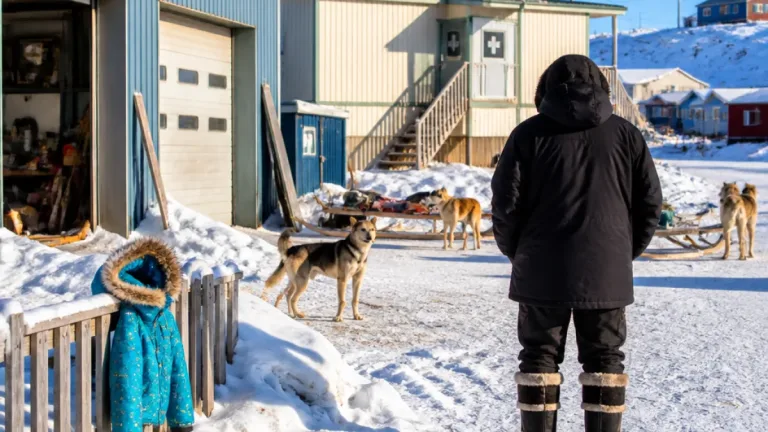
Dog ownership and free-roaming dog populations vary across Nunavut communities. In smaller hamlets, social ties and the presence of sled dogs or working animals shape how people and dogs interact. The advisory’s emphasis on discussing safe behaviour with children recognises that young people are particularly vulnerable to dog-related injuries.
The department’s refusal to name locations or disclose the number of incidents is consistent with protecting patient privacy, but it also limits the public’s ability to understand where the greatest risks may be occurring. Community leaders and municipal officials often work alongside public health and animal control services to address loose dog concerns, vaccination and education.
What residents should know
Residents should take the department’s guidance seriously and incorporate the advice into everyday routines. Teaching children how to interact safely with animals, keeping a respectful distance from unfamiliar dogs and knowing the location of the nearest health centre can reduce harm.
Anyone who witnesses an aggressive or injured animal in their community should report it to local authorities so animal control or community health workers can assess the situation and, if necessary, arrange containment or veterinary care.
Public health officials emphasise that simple precautions and swift medical care after an exposure are effective measures to protect families in communities across Nunavut.