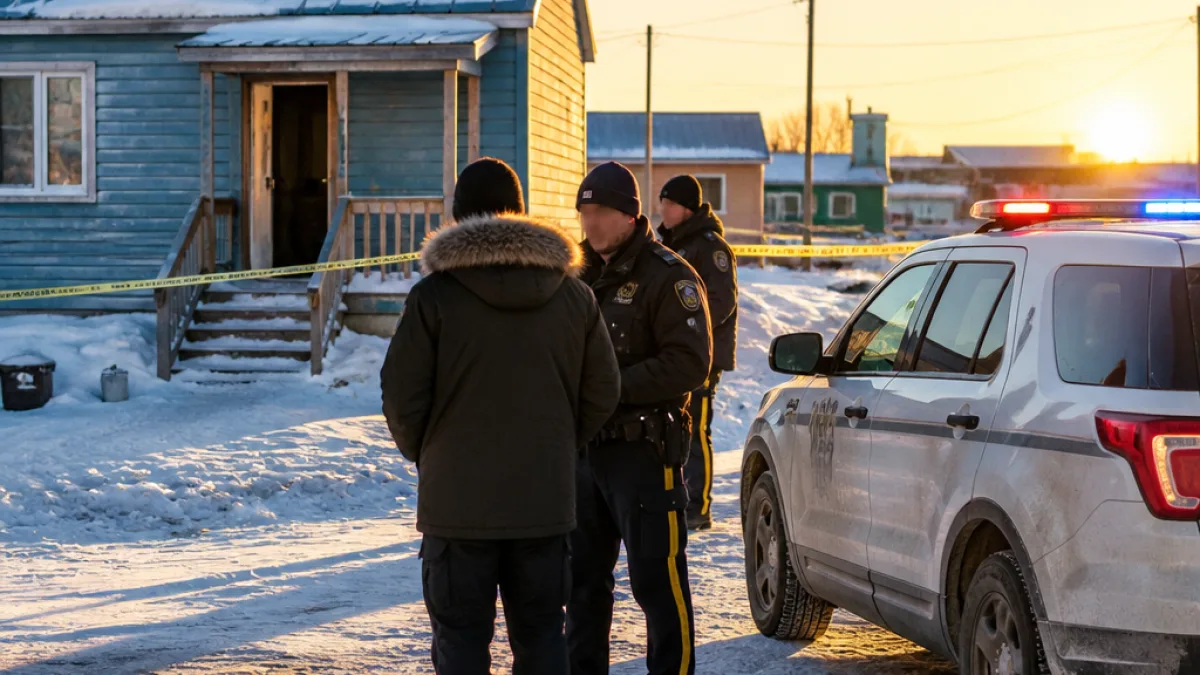
INUKJUAQ — A 41-year-old woman, identified as Elisabeth Qumak, was found dead in a home in Inukjuak on Aug. 24, and her partner has been charged with first-degree murder, court records show.
Timeline and bail conditions
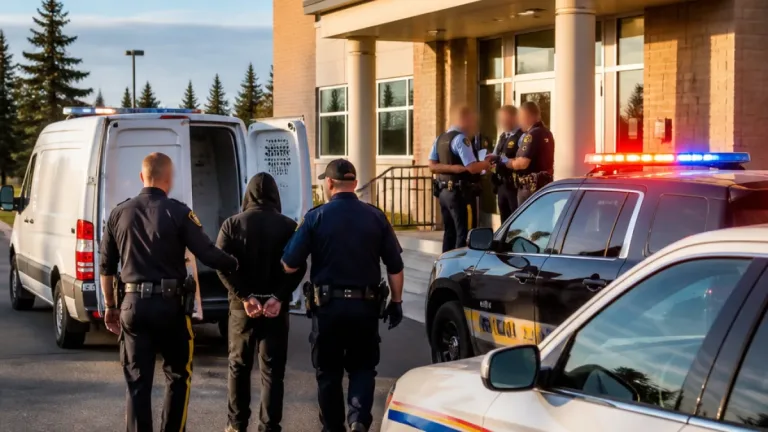
Police were called to a residence after a 45-year-old man later named in court documents, Charlie Palliser, arrived at the local detachment to report that he had committed a crime. Qumak was located with stab wounds and was pronounced dead at the community health centre.
Documents indicate Palliser had been charged previously in relation to the same residence on July 17 with break-and-enter and assault. He was released on July 22 under several conditions, including a requirement that he not contact Qumak. Other conditions included a curfew and participation in social services meetings and programming run by the non-profit organisation Saqijuq.
| Date | Event |
|---|---|
| July 17 | Break-and-enter and assault charges laid in relation to Qumak's home |
| July 22 | Palliser released on bail with conditions, including no contact |
| Aug. 24 | Qumak found with stab wounds; Palliser attends detachment saying he committed a crime |
Police and service responses
The Nunavik Police Service declined to provide details about the July 17 incident, saying the matter has been transferred to provincial police in Quebec. Quebec police also declined to comment when reached.
WE NEWS contacted Saqijuq to ask whether Palliser had engaged with its programs; the organisation had not responded by publication time. According to Saqijuq’s publicly available descriptions, its programming aims to provide alternatives to incarceration and focuses on cultural activities like hunting, fishing and camping alongside workshops rooted in Inuit values.
Context and concerns
Violence against women in Inuit and northern communities is a long-standing concern, made acute by the realities of geographic isolation, limited local services, and systemic barriers to timely supports. Community members and service providers say no-contact orders and bail conditions are important tools, but enforcement and follow-up can be challenging in small, remote communities.
A Montreal-based coalition tracking gender-based violence in the province reported a higher-than-usual number of suspected femicides this year. The group’s coordinator, Julie Antoine, noted patterns in which men subject to no-contact orders go on to commit fatal violence.
“It often happens that men are under no contact orders after a separation that they ultimately end up committing a femicide,” Julie Antoine said, describing cases in which violence occurs either when a woman says she wants to leave or after an order is issued.
What the community faces now
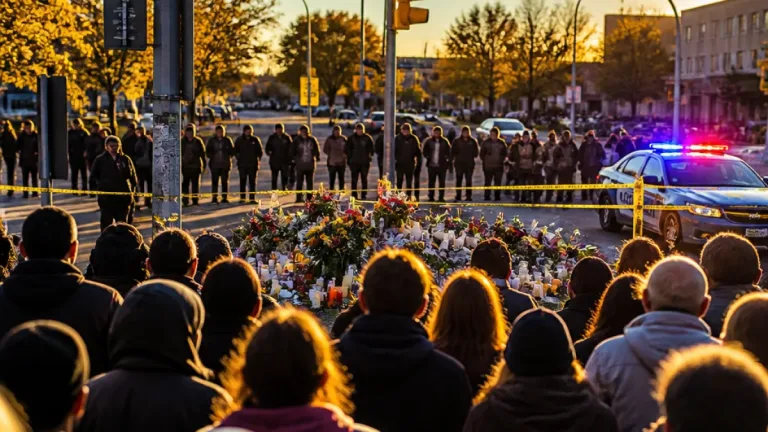
Inukjuak residents are left to grieve and to contend with questions about prevention and protection. In small hamlets, family ties and proximity complicate enforcement; victims and their families may face barriers reporting incidents or seeking relocation. Services such as crisis intervention, community justice alternatives and culturally grounded programming are part of the response, but gaps persist.
- Known facts: Qumak was found dead Aug. 24; Palliser has been charged with first-degree murder.
- Bail history: Palliser faced earlier charges on July 17 and was released with a no-contact order on July 22.
- Agency responses: Nunavik Police and Quebec provincial police declined to comment; Saqijuq had not responded by publication.
Next steps and legal process
As the provincial police handle the criminal investigation, further court appearances and disclosure of evidence will determine how the charge proceeds. In communities across the North, such cases also prompt renewed calls for investments in services that prevent domestic violence, stronger enforcement of protective conditions, and supports for survivors and families.
Losses like this ripple through small communities where relationships are interconnected. Accurate reporting can help ensure accountability and keep the public informed about developments; it can also spotlight the kinds of supports that may prevent further tragedies.
If you or someone you know is at risk, local health centres, regional violence-prevention programs and police can provide immediate help. In the North, community-led initiatives grounded in Inuit culture and practice are frequently cited as important components of any long-term prevention strategy.