Large fine highlights neighbourhood tensions over feeding wildlife
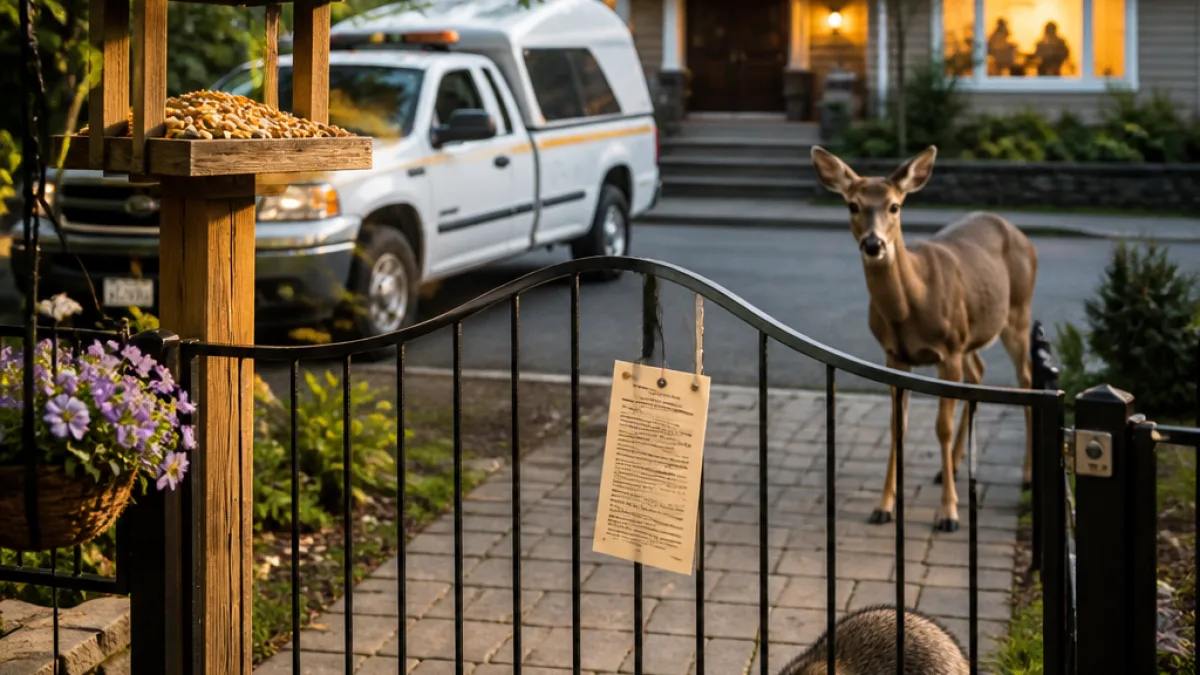
A North Vancouver resident has been issued a $27,000 fine for feeding wildlife, a case that has prompted renewed warnings from officials about the consequences of human food in wild animals' diets. Local authorities say the behaviour creates hazards for both animals and people across the community.
The person involved has remained, according to reporting,
"unrepentant"about their actions despite enforcement. The fine — one of the larger penalties reported locally for this kind of offence — underscores how seriously municipal regulators are treating deliberate feeding of wildlife.
Why feeding wildlife becomes a neighbourhood issue
Feeding wild animals can cause them to lose their natural wariness of people, to congregate in residential areas and to seek out more human-provided food. That cycle of habituation often leads to increased nuisance behaviour, property damage and, in some cases, conflicts that may require animal control or conservation intervention.
- Habituation: Animals that associate humans with food can become bolder and more aggressive.
- Public safety: Close contact raises the risk of bites, scratches and other incidents involving people, particularly children and pets.
- Wildlife health: Human food is often nutritionally inappropriate and can harm animals.
While the details of which species were involved in this case were not provided in the initial reporting, the broad risks apply across many of the region's common urban wildlife, including raccoons, coyotes, bears and birds.
Enforcement and community consequences
The fine sends a signal that enforcement is active and that authorities are prepared to use financial penalties to deter behaviour that brings wildlife into harmful contact with people. For neighbourhoods in and around North Vancouver — where green spaces, residential streets and wild habitat intersect — the issue can be persistent as well as polarizing.
Residents who intentionally feed wildlife may be motivated by compassion, curiosity or a desire to observe animals up close. But municipal and conservation officials warn that those short-term impulses can produce long-term problems for communities and for the animals themselves.
| Item | Detail |
|---|---|
| Fine amount | $27,000 |
| Offence | Feeding wildlife |
For neighbours, the outcome is a reminder of the responsibilities that come with living alongside nature. It also raises questions about public education and enforcement: how to balance compassion for animals with the need to prevent harm, and how best to encourage behaviour that protects wildlife and people.
What residents can do
Local authorities typically advise residents to remove attractants, secure garbage, avoid leaving pet food outdoors and to report dangerous or persistent wildlife behaviour to the appropriate municipal or conservation office. Community-led solutions — from education campaigns to neighbourhood clean-ups — can complement enforcement to reduce encounters.
This incident in North Vancouver illustrates that feeding wildlife is not merely a private choice; it has community-wide impacts that can culminate in significant penalties. As the city continues to grow and the edges of urban and wild spaces remain porous, the balance between human activity and wildlife behaviour remains an urgent local concern.
Further updates may follow as more details are released by local authorities about the case and any related enforcement measures in the area.