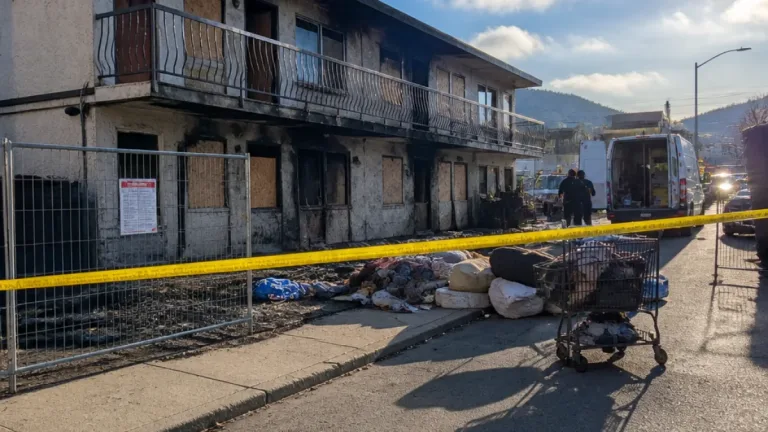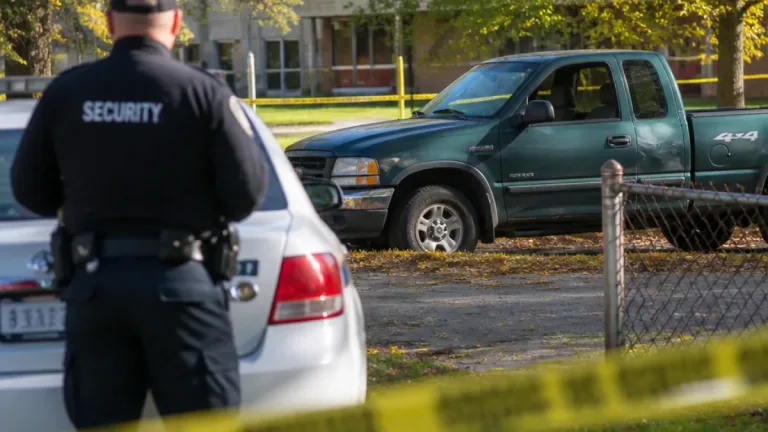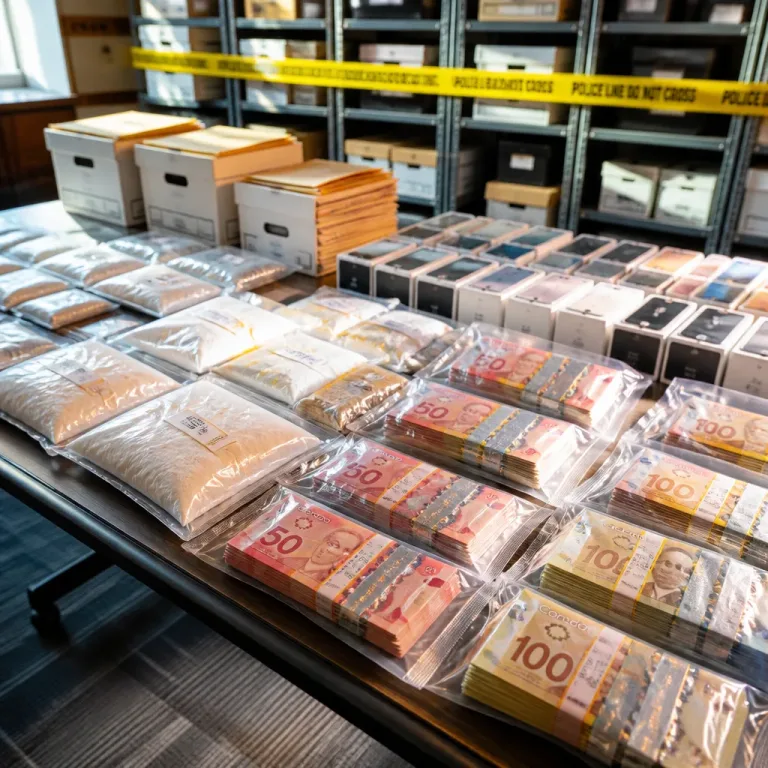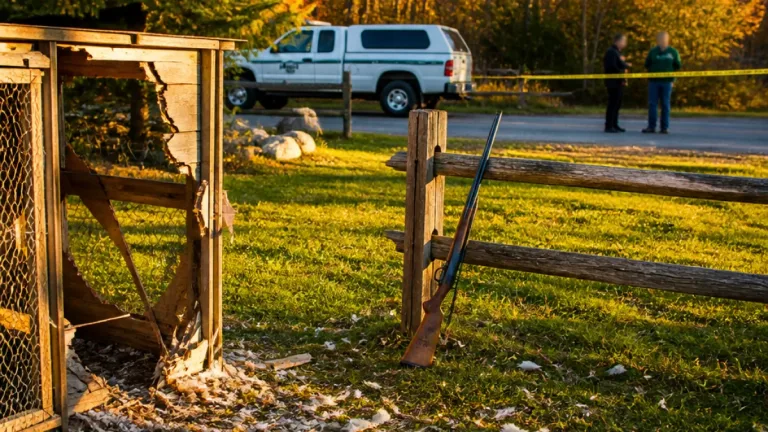
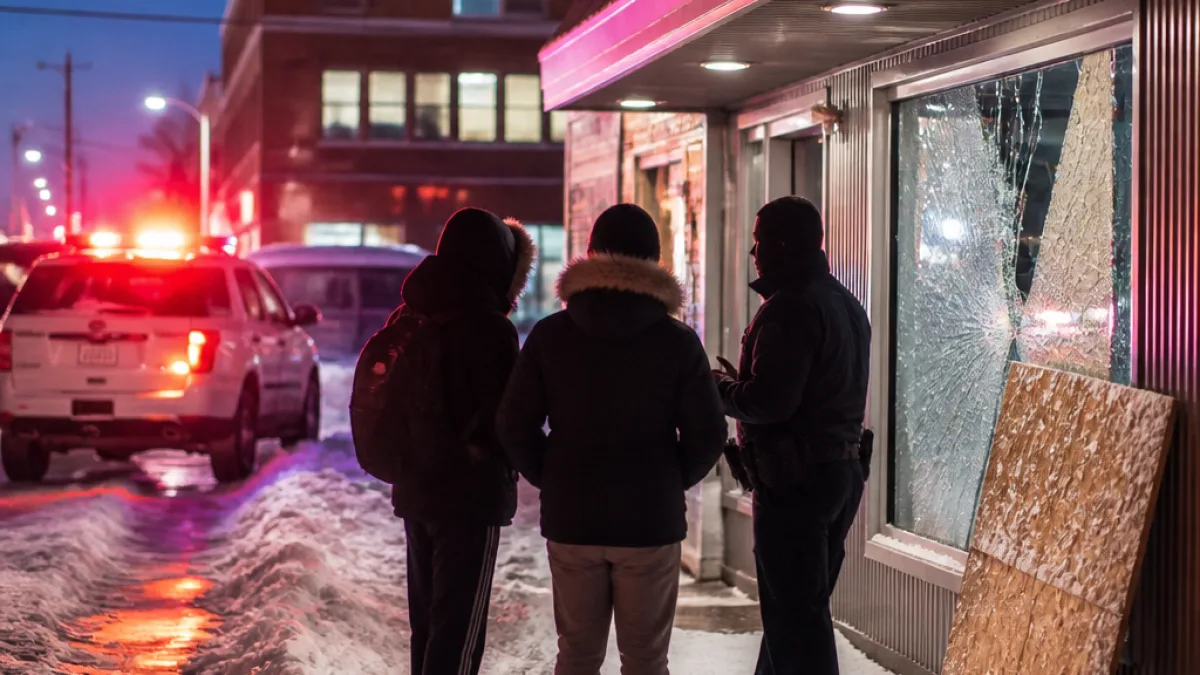
IQALUIT — The territorial capital recorded a sharp increase in property crime over the recent winter period, with Nunavut RCMP reporting 36 break and enters in Iqaluit between Dec. 1, 2025 and Jan. 23, 2026 — more than double the 17 incidents logged in the same stretch a year earlier.
Spike concentrated over December and January
The bulk of the reported incidents occurred during December and January, prompting public appeals by police after a series of commercial and office break‑ins were discovered. Authorities publicly announced nine break‑ins at businesses and offices that took place between Dec. 16 and Jan. 18 and asked residents for assistance identifying suspects.
“I think it’s high, but it really ebbs and flows,” said Nunavut RCMP Chief Supt. Kent Pike of the rate of break and enters.
Pike told reporters the pattern suggested the work of a small number of people, estimating the crimes were likely committed by one to three individuals. He also pointed to a correlation police often see between arrests and a subsequent dip in similar offences.
Arrests and short‑term effect
On Jan. 21, Nunavut RCMP arrested two people in relation to two business break‑ins and one residential break‑in. Following the arrests, Chief Supt. Pike said the frequency of break and enters decreased, though he cautioned the legal process was ongoing.
“If we arrest them, they go to jail. Whether it’s remand, where they’re sentenced by the court, we often see the correlation, which is a dip in the break and enters,” Pike told Nunavut News.
Public safety and information requests
The RCMP statistics underline concerns among Iqaluit residents and business owners about property security during months when communities can be quieter and resources are stretched. Nunavut News has requested a longer dataset from the RCMP covering break and enter incidents at businesses and offices going back five years to provide wider context.
- Reported break and enters (Dec. 1–Jan. 23): 36 (2025–26) vs. 17 (2024–25)
- Commercial/office break‑ins publicly announced: 9 between Dec. 16 and Jan. 18
- Arrests: Two people detained Jan. 21 in connection with two business and one residential break‑in
What residents should know
Police statements emphasise neighbourhood vigilance and reporting. For community members, practical steps to reduce risk include ensuring doors and windows are secured, using exterior lighting where possible, and reporting suspicious activity promptly to the RCMP. Officials did not provide a breakdown by neighbourhood or list of targeted businesses in their public release.
Crime in small communities can fluctuate. Chief Supt. Pike noted that November had been free of reported break and enters before the spike in December, illustrating how quickly patterns can change.
Broader implications
While the numbers in absolute terms are modest, the percentage increase is significant and will likely command attention from territorial policymakers, community leaders and businesses concerned about safety and property loss. The arrests show law enforcement capacity to respond, but the outcome of criminal charges and any longer‑term trend will depend on the courts and ongoing policing efforts.
| Period | Break and enters |
|---|---|
| Dec. 1, 2024–Jan. 23, 2025 | 17 |
| Dec. 1, 2025–Jan. 23, 2026 | 36 |
Nunavut RCMP's public comments and the numbers released provide a snapshot of a short but intense period of property crime in Iqaluit. Additional data requested by Nunavut News will help clarify whether this was an anomalous winter surge or the start of a longer trend affecting businesses and households across the city.
Reporting from Iqaluit for WE NEWS.