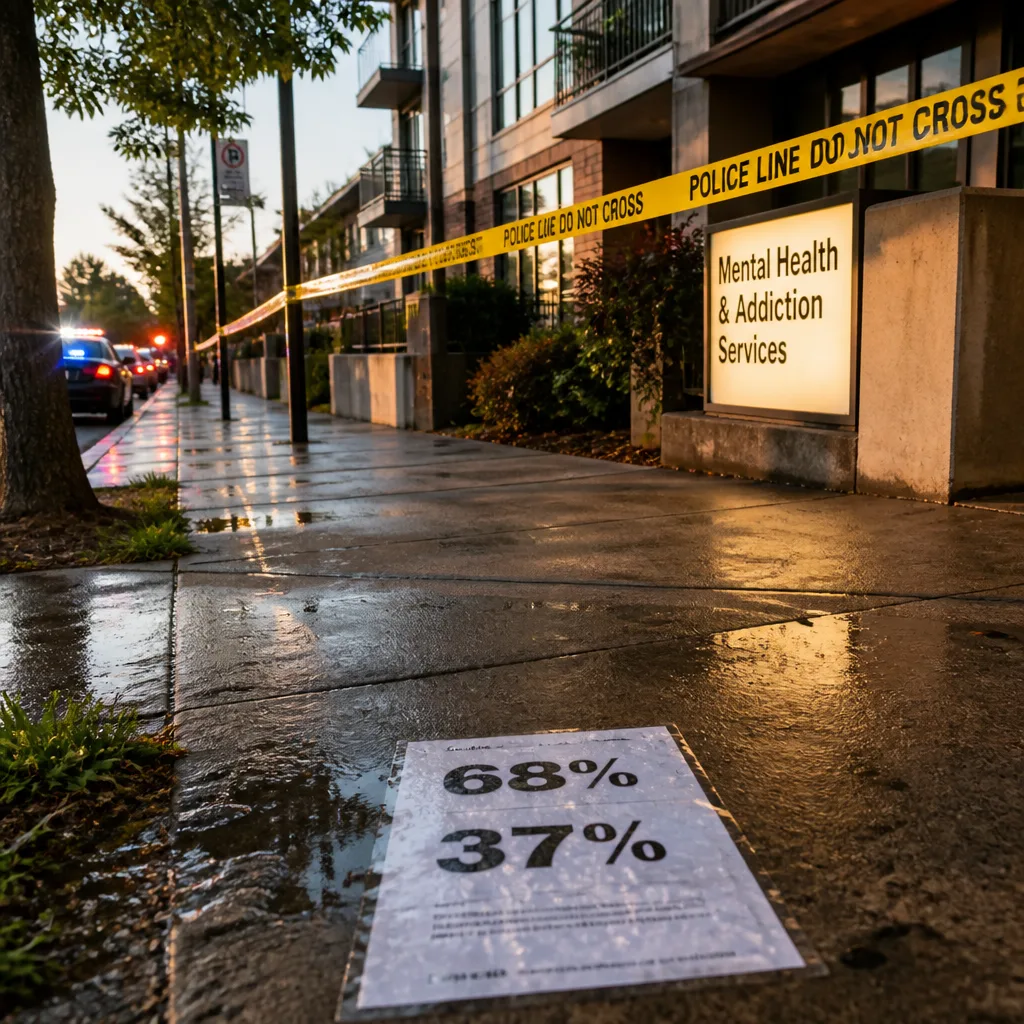
More than two-thirds of British Columbians say crime and violence are reducing their quality of life, and more than one-third report having recently been a victim, according to a provincewide survey released this week.
Public concern and trust in the system
The Research Co. poll, released by Save Our Streets, found 68 per cent of respondents believe crime and violence affect their quality of life, while 37 per cent said they had been victimized recently. The survey of 1,207 adults in B.C. was conducted Sept. 2–5 and carries a margin of error of ±2.8 percentage points, 19 times out of 20.
Respondents also signalled unease about reporting and the justice system: 88 per cent said crimes are going unreported in the province, and 66 per cent identified lack of confidence in the justice system as a reason for underreporting. The poll indicated that 53 per cent avoid certain areas of their community because they do not feel safe, and nearly half expressed fear for their family’s safety.
“These results show that residents in B.C. communities, large and small, are begging for significant, measurable change,” said Jess Ketchum, co‑founder of Save Our Streets.
Policy preferences: treatment and prevention
Save Our Streets, a coalition of community and business groups that includes the Downtown Kelowna Association and Kamloops business improvement associations, released the findings as municipal officials convened in Vancouver for the Union of B.C. Municipalities. The organisation emphasised poll respondents’ support for a public‑health approach to lowering crime.
According to the release, respondents demonstrated strong backing for:
- more drug rehabilitation spaces;
- expanded mental‑health facilities; and
- greater efforts aimed at preventing drug use.
The poll’s sponsors argue those investments could address drivers of offending and improve neighbourhood safety. The release framed the results as a demand from residents for measurable change in how communities respond to crime and substance‑use issues.
Numbers at a glance
| Measure | Survey result |
|---|---|
| Say crime affects quality of life | 68% |
| Reported recent victimization | 37% |
| Avoid areas due to safety concerns | 53% |
| Believe crimes go unreported | 88% |
| Blame lack of confidence in justice system for underreporting | 66% |
Context and consequences
Public perceptions of safety and trust in justice institutions can shape both voter priorities and municipal policy decisions. The poll was timed to coincide with a gathering of local government officials; that may increase pressure on mayors and councillors to pursue visible crime‑reduction measures, such as enhanced enforcement, public‑space interventions or investments in treatment and social supports.
Advocates for expanded addiction and mental‑health services say those measures can reduce harms and demand on policing. Critics of increased enforcement warn that focusing solely on punitive approaches may not address underlying drivers of offending and could strain relations between police and vulnerable communities.
The Research Co. survey provides a snapshot of attitudes in B.C. but does not itself establish causation between services and crime rates. It does, however, underline widespread anxiety about personal safety and about whether criminal incidents are being reported and effectively addressed. Municipal officials and provincial authorities will face choices about how to respond to these expressed concerns.
Save Our Streets framed the findings as a call to action: the group said even a substantial decline in the figures would still represent an unsatisfactory state of public safety and urged measurable change. The poll released the data publicly as part of its campaign to influence policy discussions at the municipal level.