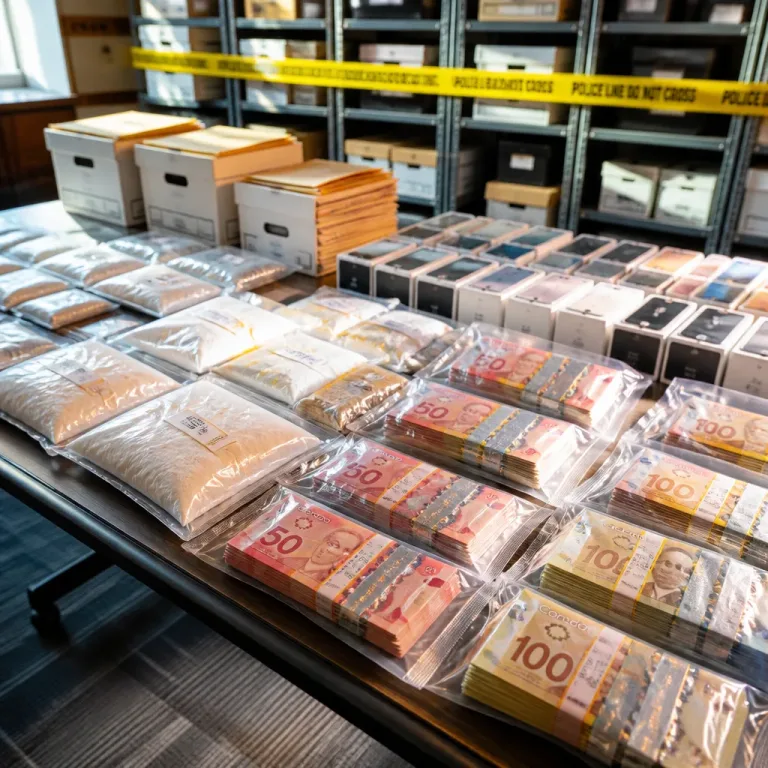
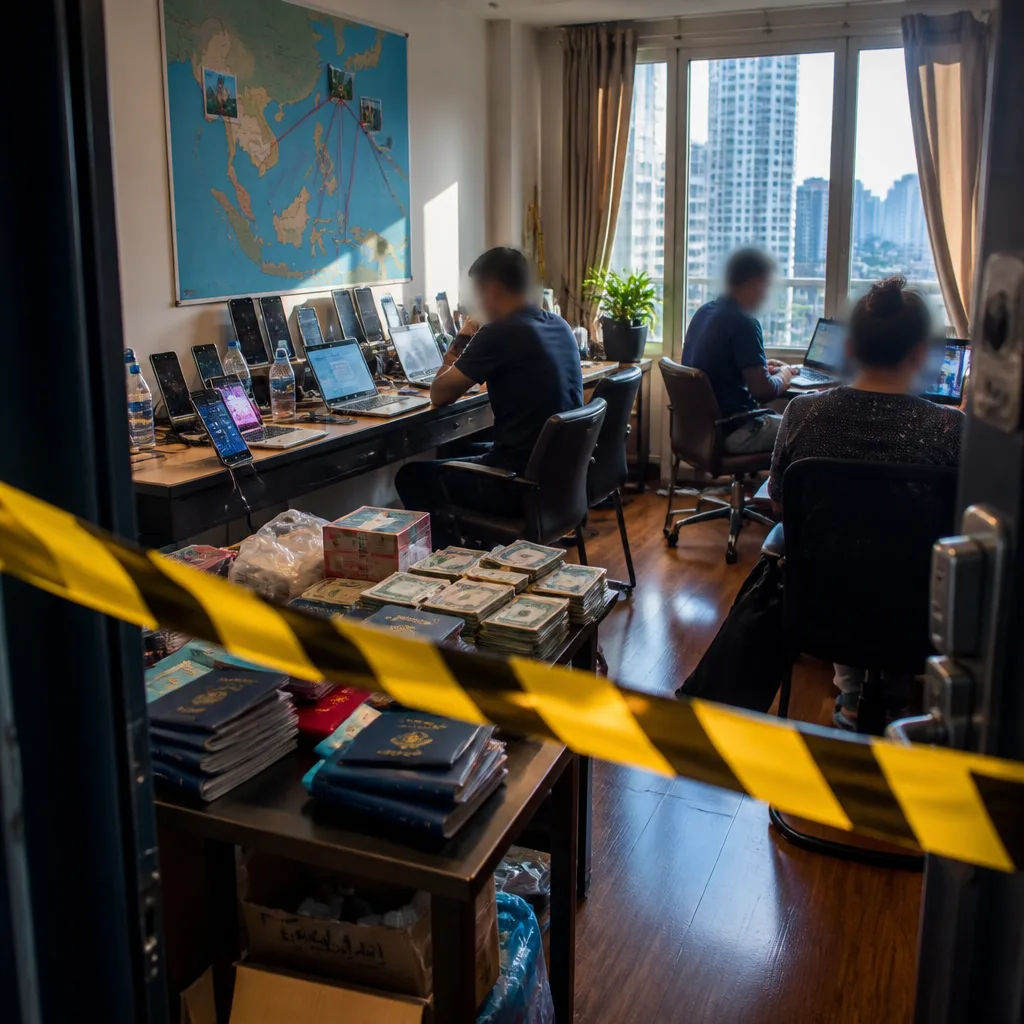
Officials in Seoul say 462 South Koreans were apprehended on suspicion of transnational crimes in six Southeast Asian nations during the first half of 2026 — a figure more than quadruple the number recorded during the same period a year earlier and already exceeding the total for all of 2025.
Rapid rise after crackdowns
The Ministry of Foreign Affairs reported that the arrests occurred in Cambodia, Vietnam, Thailand, Malaysia, Laos and the Philippines. The tally of 462 compares with 100 suspects detained in the first half of 2025, and surpasses the 356 South Koreans arrested throughout 2025.
| Country | First half 2025 | First half 2026 |
|---|---|---|
| Cambodia | 12 | 187 |
| Vietnam | 37 | 117 |
| Thailand | 37 | 70 |
The ministry said Cambodia showed the steepest increase, with cases jumping from 12 to 187. Vietnam and Thailand also recorded substantial rises: Vietnam from 37 to 117, and Thailand from 37 to 70.
Changing tactics and locations
Authorities attribute the shift to intensified enforcement actions that targeted large scam compounds, particularly in Cambodia. While those crackdowns have reduced the number of reported victims being held in compound-style operations, they appear to have pushed criminal groups to fragment and relocate.
- Some networks are dispersing into smaller houses and condominiums in provincial cities.
- Others are moving operations to neighbouring countries perceived to have weaker regulation and law enforcement.
- Police in several countries report arrests connected to a range of offences, including online scams, gambling operations and impersonation schemes.
Examples cited by officials include a January operation in Malaysia in which 24 South Koreans were detained at an apartment complex on allegations related to online gambling. In Vietnam in June, five nationals were arrested accused of pretending to be military personnel and defence suppliers; authorities allege they defrauded 38 victims in South Korea of roughly 800 million won (about US$562,600). In Laos, 17 were arrested in July on suspicion of extracting money via messaging apps while posing as booking agents and other service providers.
Victim reports drop, governments cautious
Despite the surge in arrests, reported instances of South Koreans being held by scam organisations in Cambodia have fallen sharply, from 225 in the first half of 2025 to 14 in the same period this year — a decline the government attributes to successful raids on high-profile compounds.
Diplomatic and law enforcement officials warn, however, that the lower number of reported detainees may mask a more diffuse threat. Criminal outfits are adapting by decentralising and blending into local communities, complicating detection and repatriation efforts.
The wave of arrests also highlights a broader regional challenge: when enforcement intensifies in one country, transnational criminal networks can relocate to neighbouring jurisdictions with lighter oversight, creating persistent cross-border enforcement and consular burdens.
Seoul has been coordinating with partner governments in the region on investigations, repatriation of suspects and assistance to victims. High-profile returns have drawn attention: in early August, two South Korean nationals linked to a Kazakhstan-based voice-phishing group were escorted back to Korea through Incheon International Airport following investigations abroad.
Officials say continued cooperation will be necessary to track evolving modalities, protect potential victims and hold organisers to account as criminal operations shift location and tactics across the region.