On April 3, 1948, unrest on South Korea’s Jeju Island precipitated a brutal counterinsurgency that, by some accounts, killed as many as 25,000 to 30,000 civilians over the following six years. The episode, long obscured during decades of authoritarian rule, has only been publicly examined since the restoration of democracy in the 1990s and later drawn wider notice through recent literature and translations.
Scale and suppression of the violence
Historians and survivors place the death toll at a scale that decimated the island’s population; estimates describe roughly one in ten islanders killed during the campaign. For more than four decades the episode was rarely acknowledged on the mainland as successive governments consolidated power and restricted public discussion of past state violence. Monumental decisions such as building transport infrastructure on sites that later proved to be mass graves helped conceal the crime for generations.
"one islander in every ten."
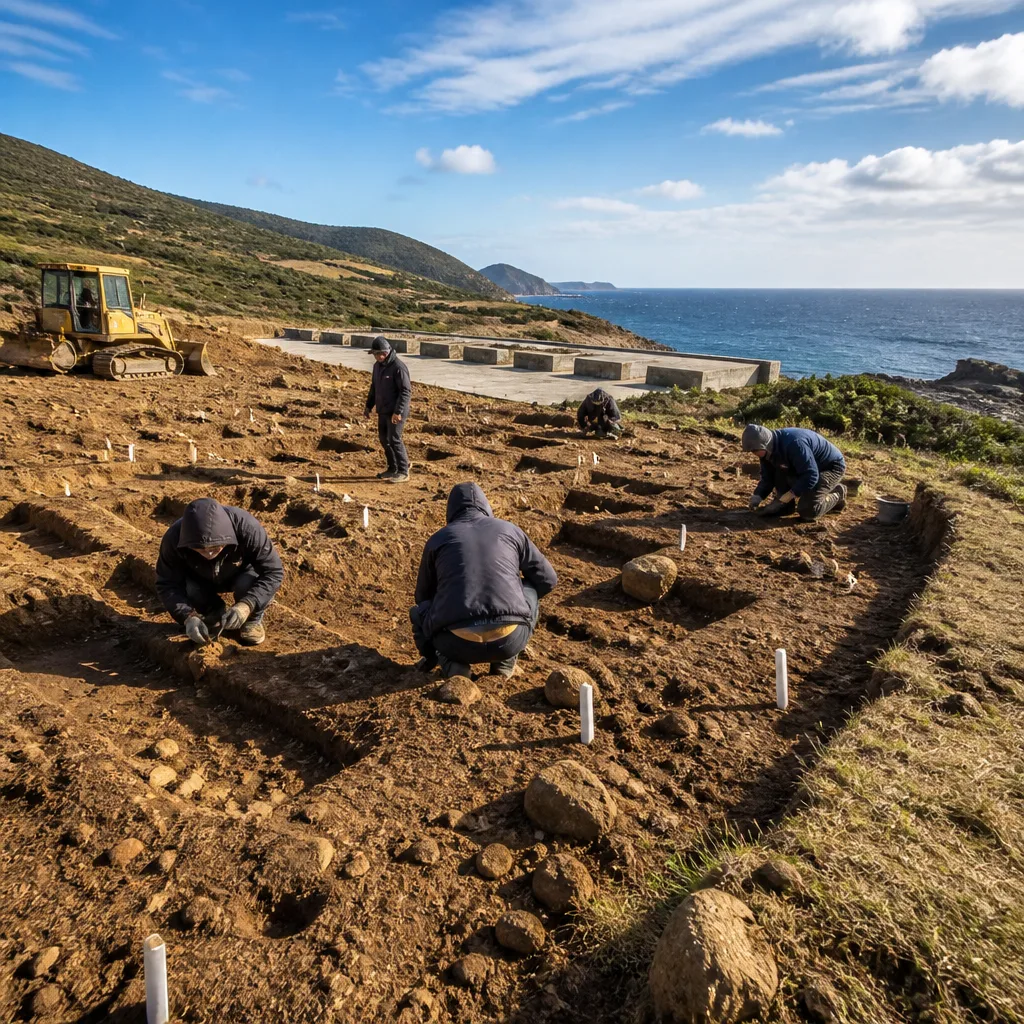
Only after democratic reforms took hold in the 1990s did excavations of burial sites begin and an official inquiry take shape. That inquiry and subsequent scholarship reframed the events of April 3 — often referred to by the date shorthand familiar in Korean public memory — as not merely an internal security operation but a large-scale repression with grave civilian tolls.
Context and recent attention
The killings unfolded at the outset of the Cold War division of the Korean Peninsula and amid fears of insurgency and ideological conflict. The campaign’s suppression of local dissent and the concealment of its casualties were facilitated by the political climate of the period and successive authoritarian governments through the 1980s.
Interest beyond Korean-language readers increased again in the 2020s after internationally recognised Korean authors produced work that addressed the island’s trauma. Translations of such literature have helped bring the massacre to a wider English-speaking audience, prompting renewed attention to the historical record and the social memory of the island.
- Date: April 3, 1948 (commencement of protests and counterinsurgency)
- Duration: The violence continued across approximately six years following the initial crackdown
- Estimated deaths: 25,000–30,000 civilians
| Item | Detail |
|---|---|
| Start date | April 3, 1948 |
| Estimated civilian deaths | 25,000–30,000 |
| Visibility | Suppressed during 1950s–1980s; reassessed after 1990s |
Consequences and memory
The massacre has become a focal point in South Korea’s reckoning with state violence. Excavations and inquiries after the 1990s have sought to identify burial sites and document the fate of victims, enabling families and scholars to reconstruct events that were once systematically hidden from public view. The process of acknowledgement has also intersected with cultural work that dramatizes personal and communal trauma, amplifying the episode’s resonance in contemporary discourse.
Though the episode predated and outlasted the formal outbreak of the Korean War, it now sits alongside other national markers of tragedy that South Koreans commemorate by date. Those numerical shorthand references serve both as mnemonic devices and as reminders of unresolved wounds in the nation’s modern history.
As the historical record continues to be examined, the Jeju killings remain a stark example of the lethal intersection of anti-communist counterinsurgency and political repression during the early Cold War era in East Asia. The revelations and cultural attention of recent decades have helped move the episode from obscurity toward a fuller, if still painful, public accounting.