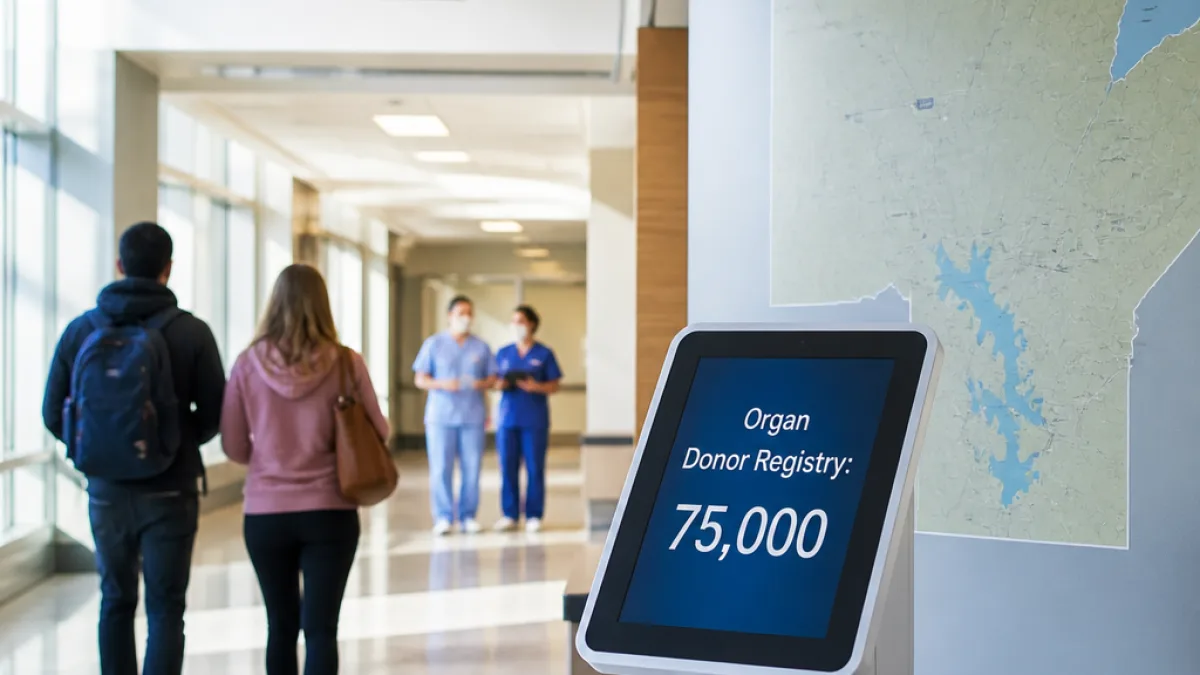
Manitoba has recorded its largest single surge in online organ donor registrations since the provincial registry began more than a decade ago, but the total remains a small fraction of the population — about 6 per cent enrolled, according to Transplant Manitoba.
Record growth, persistent gap
By the end of August, roughly 75,000 Manitobans had added their names to the registry, a number that has risen by about 23,000 since 2018. Health-care leaders and transplant recipients say the rise is encouraging but insufficient, given ongoing need.
Transplant Manitoba’s medical director, Dr. Owen Mooney, framed the situation in urgent terms, noting the mismatch between the likelihood of needing an organ and the probability of being a donor.
"The need is now. There is urgency to everything that we do … and the more donors we register, the more donors that consent, it benefits everybody," Dr. Mooney said.
Lives changed by donations
The human toll and benefits are evidenced by transplant recipients. Paul Meilleur, who lived with pulmonary fibrosis that left him dependent on supplemental oxygen and largely housebound, received a double-lung transplant in early 2025 after months on a waitlist. His brother, Adrian, also survived following a previous lung donation. Both brothers have publicly urged Manitobans to register so others may receive the same life-changing care.
"I was basically laying on a couch, unable to move like 24/7 hooked up to oxygen," Paul said of his condition before the transplant. The siblings’ stories underscore how a single donation can dramatically alter outcomes for families across the province.
Why advocates want more than registrations
Even as registrant totals climb, transplant officials stress that enrolment is only one element in the organ-donation pathway. Consent at the time of potential donation, hospital processes, donor identification and public awareness all affect whether organs ultimately reach patients on waitlists.
Transplant Manitoba and allied groups say expanding registrations should be paired with initiatives to improve consent rates and strengthen system capacity. Those measures can include public education campaigns, clearer discussions at the time of driver’s licence or health-card renewal, and support for hospital transplant teams.
Numbers at a glance
| Measure | Figure |
|---|---|
| Registered donors (end of August) | ~75,000 |
| Portion of Manitobans enrolled | ~6% |
| Growth in registrants since 2018 | ~23,000 |
Local context and system performance
Manitoba has seen improvements in some areas: the province performed more kidney transplants in 2023 than in previous years, recovering from pandemic-related declines. Yet those gains coexist with a persistent shortfall in overall registered donors and the ongoing reality that many people on transplant waitlists require lifesaving organs.
Health-care leaders caution that achieving higher donation rates will require both continued promotion of the registry and practical steps to secure consent at the bedside. They also note that conversations within families about donation intentions are critical; families are often consulted when donation decisions are made under time pressure.
How Manitobans can act
Transplant advocates urge residents to take simple steps to increase availability of organs and tissue:
- Register online with the provincial organ donor registry.
- Discuss donation wishes with family and close friends to ensure intentions are known.
- Consider indicating donor status when renewing provincial health cards or licences, where applicable.
Those measures, combined with system-level improvements, are what clinicians say will translate rising registration figures into more actual donations and transplants.
Looking ahead
Officials at Transplant Manitoba say momentum is positive but the province must build on it to meet patient needs. With only a small share of eligible adults registered, advocates stress urgency — not only to add names to the database, but to close gaps that prevent registered intentions from becoming completed donations.
The Meilleur brothers’ experience is a reminder of what is at stake: for some patients, a registered donor and a functioning transplant team can mean the difference between prolonged illness and renewed life.