RCMP presents targeted approach to curb property crime and theft
The Lloydminster RCMP told city councillors this month that a specialised, cross-border team is concentrating resources on property crimes, shoplifting and repeat offenders while continuing visible community policing across the Saskatchewan–Alberta boundary.
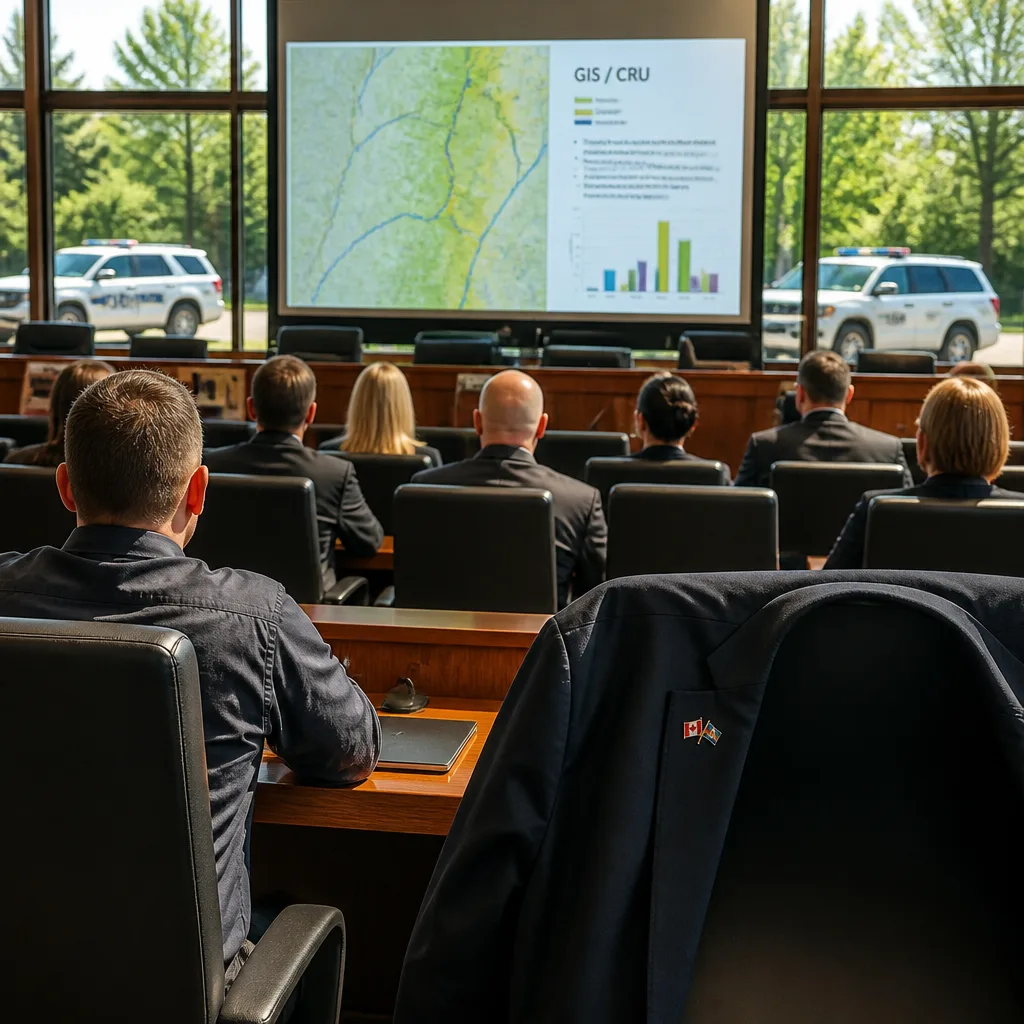
During an Aug. 16 council update, Staff Sgt. Jerry Nutbrown detailed how the combined unit — the General Investigation Section (GIS) and the Crime Reduction Unit (CRU) — is organised to respond to both serious investigations and emergent local crime trends.
Unit structure and priorities
The joint team is currently staffed by 11 regular members and one municipal employee. It is divided into two distinct streams with complementary mandates:
- General Investigation Section (GIS): Handles serious, time-sensitive investigations and builds cases with prosecutors and probation services, using local intelligence on habitual offenders.
- Crime Reduction Unit (CRU): Focuses on immediate, local crime trends through directed enforcement campaigns and partnerships with businesses and residents to address anti-social behaviour and commercial theft.
| Unit | Primary focus | Staffing |
|---|---|---|
| General Investigation Section | Serious, time-sensitive crimes; case-building | Part of the 11 regular members |
| Crime Reduction Unit | Property crime, shoplifting, anti-social behaviour | Part of the 11 regular members + 1 municipal employee |
Emphasis on proactive, local policing
City officials noted the unit’s targeted tactics align with municipal strategic priorities on safety and well-being. The RCMP said the GIS relies on an understanding of local offender networks to strengthen prosecutions and coordinate with probation services, while the CRU carries out short-term, focused enforcement to reduce immediate harm and commercial losses.
Nutbrown described the two-pronged design as a way to deploy investigative expertise and rapid-response enforcement where each is most effective, without diverting resources from routine community policing duties.
Partnerships and community engagement
The CRU’s work includes engagement with local businesses and residents to both deter theft and identify hot spots. The RCMP presentation underscored collaboration as a central element of the response, with joint campaigns intended to reduce repeat offending and curb anti-social activity that contributes to larger public-safety concerns.
Officials said the model recognises Lloydminster’s position as a cross-border city, where policing coordination and local knowledge are critical to pursuing offenders and building legal files that hold up before Crown counsel.
Context and implications
The RCMP update comes as municipalities across Canada reassess responses to property crime and retail theft, balancing enforcement with prevention and social supports. Specialised units such as Lloydminster’s attempt to concentrate expertise and maintain continuity on chronic problems while preserving front-line capacity for general patrol work.
How effectively the strategy reduces the incidents that concern residents—particularly shoplifting and repeat property offences—will depend on continued information-sharing with prosecutors, sustained community partnerships and sufficient staffing to keep both investigative and enforcement activities operating in parallel.
Council received the RCMP briefing as part of its regular oversight of public-safety priorities in the border city; further details on operational results or planned campaign schedules were not released in the presentation summary.