
FORT LIARD, N.W.T. — An Indigenous-led industrial alliance announced this week aims to deliver rugged, Canadian-made energy storage and microgrid solutions across the North, signalling an increased Indigenous role in critical infrastructure projects tied to expanding Arctic defence and community electrification.
Partnership and purpose
The agreement pairs Acho Dene Koe Group of Companies — the economic development arm of Acho Dene Koe First Nation — with Malahat Energy Systems Inc. (majority-owned by the Malahat Nation) and Aegis Critical Energy Defence Corp. Together they plan to deploy energy storage and microgrid technologies throughout the Northwest Territories, Yukon, Nunavut and northern British Columbia.
According to the announcement, the alliance is explicitly designed to strengthen regional energy security, support community-driven infrastructure priorities and advance Indigenous leadership within the clean-energy sector. The partners say their work targets northern communities, defence installations and critical infrastructure that require resilient power systems able to operate in extreme climates.
Why the timing matters
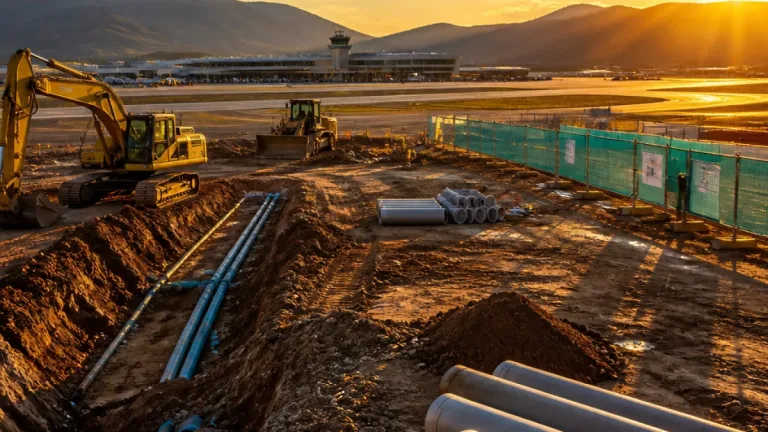
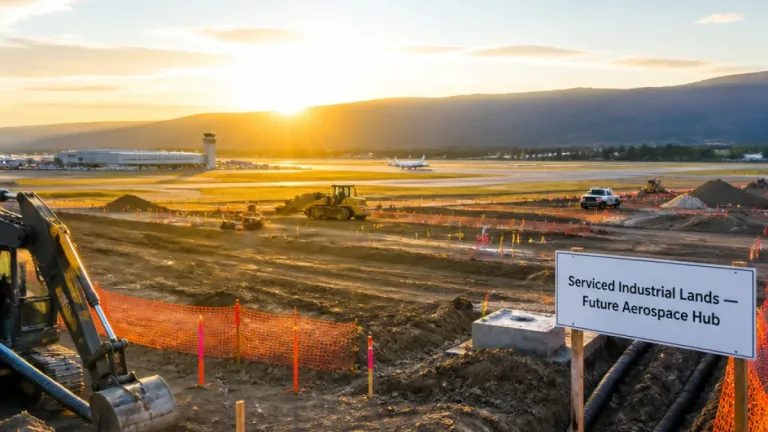
The launch comes as the federal government implements a mandatory minimum 5 per cent Indigenous procurement target and rolls out a broad, multibillion-dollar plan to expand northern airfields and modernize defence infrastructure. The announcement cites a C$35‑billion federal initiative to expand Arctic airfields, build operational support hubs and update northern defence assets — developments that create demand for rugged, secure power systems.
Those policy and budgetary shifts have created opportunities for firms that can meet northern operating requirements and Indigenous procurement commitments. The Indigenous-led nature of the alliance positions the partners to be preferred suppliers for projects where Indigenous participation is a contractual or policy expectation.
Scope and sectors
Under the agreement, the partners will jointly target five priority sectors. The announcement lists those sectors and assigns roles: Malahat Energy Systems will lead engineering, commissioning and lifecycle services; ADK Holdings Ltd. will act as the preferred Indigenous partner and service from its territory to the broader North.
- Defence and Arctic infrastructure
- Indigenous community electrification
- Mining and industrial operations
- Marine electrification
- Remote critical infrastructure
The statement highlights that these categories encompass a wide range of northern needs — from community grids to power for remote industrial and defence facilities — where resilience and cold-climate performance are paramount.
Technology and products
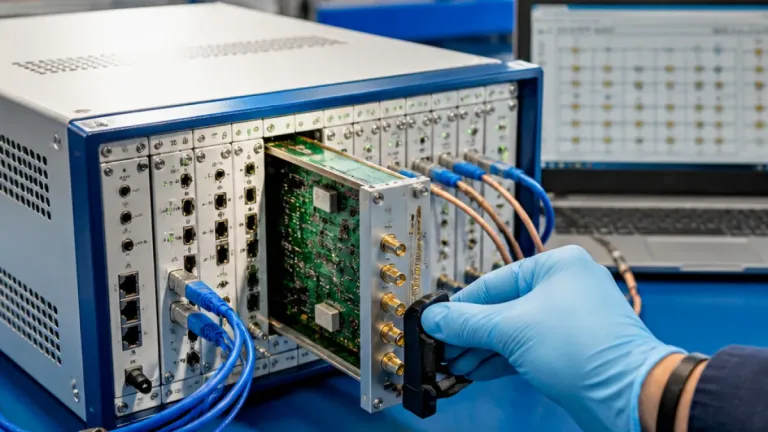
At the core of the alliance is a rugged energy-storage product identified in the announcement by Aegis. The press material describes the technology as mission-ready and designed for harsh conditions; Malahat Energy Systems will lead implementation and long-term servicing in the North.
| Partner | Role |
|---|---|
| Acho Dene Koe Group of Companies (ADK Holdings Ltd.) | Indigenous economic partner; preferred servicing and deployment across traditional territory and beyond |
| Malahat Energy Systems Inc. | Lead on engineering, commissioning and lifecycle services |
| Aegis Critical Energy Defence Corp. | Developer/supplier of rugged energy-storage technology |
Local and regional impacts
The deal could affect remote communities and facilities in the Northwest Territories by providing alternatives to conventional diesel-based power systems. In many northern settlements, costs and supply-chain challenges make fuel-dependent generation expensive and vulnerable to disruption. Resilient microgrids and robust energy storage can reduce reliance on fuel deliveries and improve continuity of power for community services and critical infrastructure.
For defence-related projects, the ability to supply hardened, low-maintenance power systems that operate in extreme cold and remote locations is central to plans to expand northern airfields and support hubs. The alliance’s alignment with Indigenous procurement targets also makes it a candidate for contract awards tied to federal commitments.
Economic and governance considerations
By structuring the partnership around an Indigenous economic development holding company, the alliance embeds local ownership and servicing into the delivery model. That approach can provide employment and contracting opportunities for Indigenous communities and ensure maintenance and lifecycle work remains locally accessible.
However, the announcement does not detail timelines, specific project contracts or deployment locations. It also does not outline funding sources or the scale of initial installations. Those details will be critical to assessing near-term benefits for communities across the Northwest Territories.
What to watch next
Officials, community leaders and defence project managers will be watching for:
- Specific contracts or pilot projects that demonstrate system performance in northern conditions
- Deployment timelines and the geographic sequence of installations
- Workforce plans and subcontracting arrangements that define local economic participation
As Arctic infrastructure spending and Indigenous procurement requirements shape northern markets, Indigenous-led suppliers that can meet cold-climate technical standards and provide long-term servicing will be important participants in regional energy transitions.
—