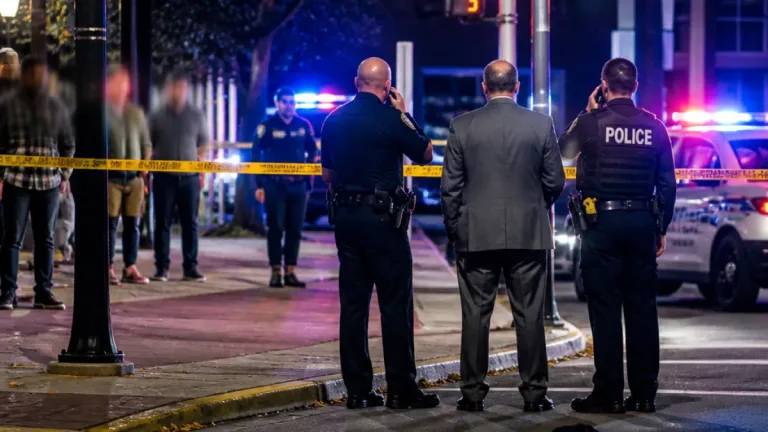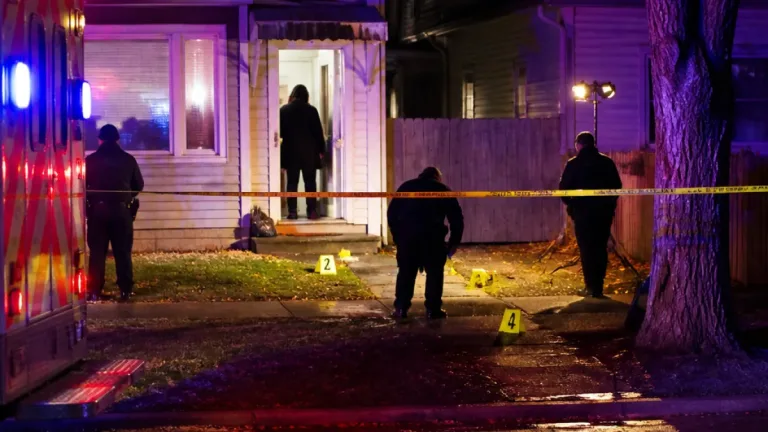
The federal Bureau of Alcohol, Tobacco, Firearms and Explosives has opened a 60-day violent crime enforcement surge in St. Louis City, officials said Thursday, deploying additional federal resources alongside local police to focus on the illegal flow of firearms and the criminal networks believed to fuel shootings and other violent offences.
Federal-local coalition to pursue firearm networks
Authorities said they would not disclose exact staffing levels for the initiative but that the operation will concentrate on disrupting sources of illegally possessed guns, holding violent offenders to account and interrupting criminal activity linked to firearm violence. The effort brings the ATF’s specialised firearms expertise together with local intelligence, ballistic leads and crime-gun tracing.
“This effort is more about arrests. It's about the mother who wants her children to play outside safely. It is about the grandfather who wants to sit on his front porch without hearing gunfire.”
The remarks were delivered by St. Louis Police Chief Robert Tracy, who also noted that the city’s overall crime has fallen by 43 per cent since 2022, including reductions in murders and shootings.
Investigation tools and partnerships
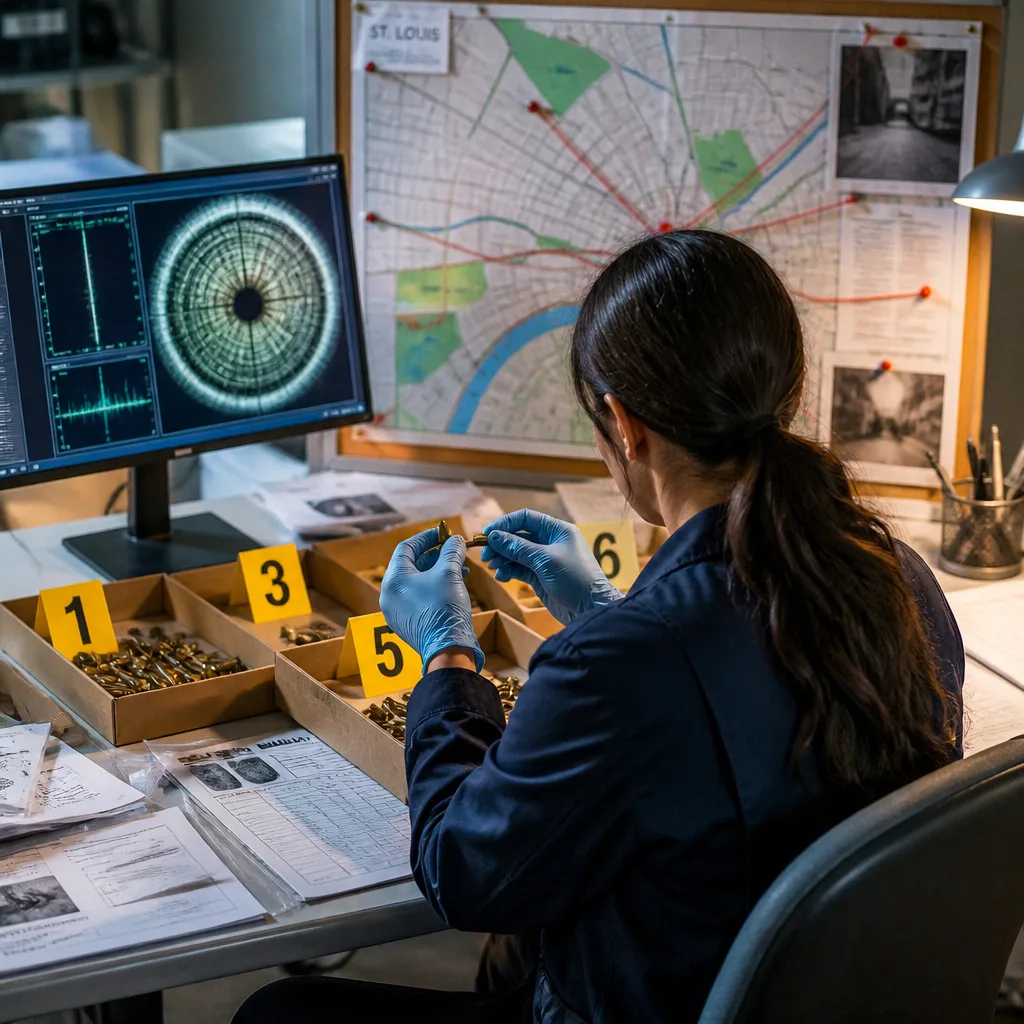
Officials emphasised the operation will combine local investigative work with federal forensic tools, notably leads from the National Integrated Ballistic Information Network (NIBIN) and traditional crime-gun tracing to identify links between recovered firearms and criminal activity. Verified results from the surge will be published at a later date, although officials did not specify when.
Bernard Hansen, special agent in charge of the ATF’s Kansas City Field Division, framed the initiative as an effort to secure lasting public safety by targeting violent offenders and the networks that support them.
“Every part of this surge is aimed at one outcome, lasting public safety. That means holding violent offenders accountable, disrupting the criminal networks that support them.”
The ATF will collaborate with the U.S. Attorney’s Office for the Eastern District of Missouri and coordinate with a range of federal, state and local partners, according to officials. Agencies identified in the announcement include the St. Louis Metropolitan Police Department, the Drug Enforcement Administration, the Federal Bureau of Investigation, Homeland Security Investigations and the U.S. Marshals Service.
- Objective: Disrupt illegal gun supply and the criminal organisations linked to firearm violence.
- Duration: 60 days.
- Methods: Arrests, intelligence-sharing, NIBIN ballistic comparisons and crime-gun tracing.
Coordination and community impact
Officials were careful to stress that people who lawfully own firearms are not the target of the operation. Instead, the focus will be on those believed to be illegally supplying weapons or committing violent acts. The announcement positions the surge as a temporary intensified enforcement phase intended to produce prosecutable cases and to disrupt the dynamics that lead to shootings.
Public updates on verified outcomes were promised but not scheduled. That measure of accountability will be important to community leaders and elected officials monitoring whether short-term enforcement yields sustained reductions in violence, or whether other strategies — including prevention and community-based interventions — will be needed alongside federal prosecutions.
| Agency | Role |
|---|---|
| ATF (lead) | Firearms expertise, NIBIN and tracing coordination |
| U.S. Attorney’s Office (E.D. Mo.) | Prosecutions |
| St. Louis Metropolitan Police | Local intelligence and enforcement coordination |
| DEA, FBI, HSI, U.S. Marshals | Support and specialised investigative resources |
How the surge will be phased operationally, the metrics for success, and the timeline for publishing verified results remain unspecified. The announcement nevertheless signals an intensified federal presence in St. Louis’s public-safety effort for the coming two months, with a concentrated emphasis on firearms-related criminal networks and the evidence that ties them to shootings.
Local residents can expect to see additional law-enforcement personnel conducting joint operations, officials said, although details about manpower and specific operational tactics were not released.