
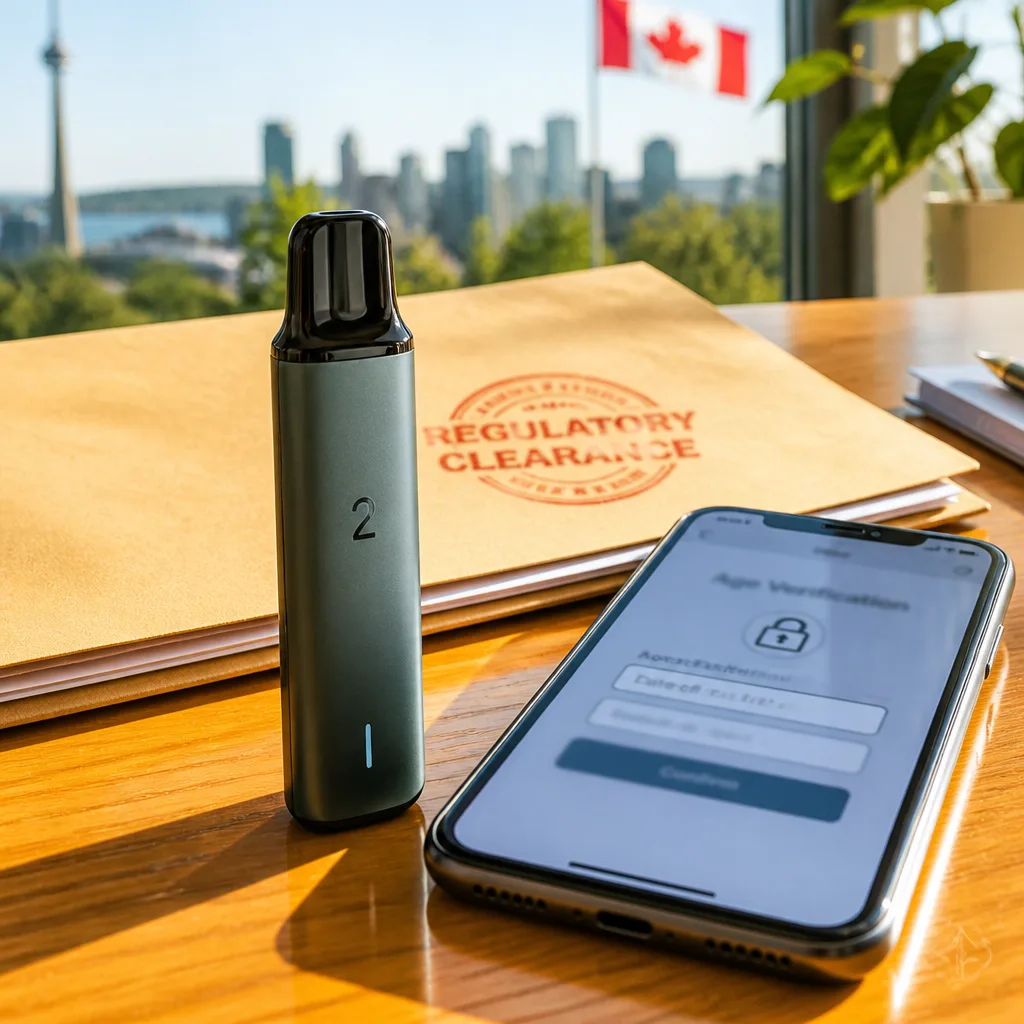
The U.S. Food and Drug Administration has authorised Juul Labs to market a refreshed version of its flagship vaping device, allowing the company to sell a new product for the first time in more than 10 years. The cleared device, which Juul plans to brand as Juul2, includes an optional online age‑verification mechanism intended to restrict underage use.
Regulatory context and company backdrop
The FDA’s decision permits Juul to introduce the updated hardware and refreshed tobacco‑ and menthol‑flavoured cartridges in the American market, where the company has confronted years of legal, regulatory and commercial headwinds. In recent seasons Juul has cut hundreds of jobs and reached approximately $3 billion in settlements with government and private plaintiffs tied to youth vaping litigation, according to the company’s public history referenced in the FDA review.
The agency’s determination does not constitute an endorsement of e‑cigarettes. Regulators emphasised the product is intended for smokers and warned non‑smokers against using vaping products. The FDA also noted that its review found switching completely from cigarettes to Juul products may lower exposure to certain carcinogens and other hazardous chemicals present in combustible tobacco.
"not an approval or endorsement, and people who do not smoke should not use Juul or any other e‑cigarettes, according to regulators."
What’s new: age verification and efficacy data
The most visible technological change is an optional requirement for users to complete age verification through an online application before the device can be unlocked. The mechanism is optional, meaning retailers or purchasers could choose whether to activate it on a given device.
As part of its submission, Juul provided company studies that were reviewed by the FDA. Those studies reported that between 20 per cent and 50 per cent of smokers who used Juul products were able to stop smoking after six weeks, with quit rates varying by flavour and nicotine strength. The FDA referenced those outcomes in its risk‑benefit assessment, noting reduced exposure to some harmful chemicals for smokers who switch completely.
Wider regulatory and market implications
The agency has authorised a limited number of e‑cigarette products intended to help adult smokers reduce or quit cigarette use. Earlier this year the FDA authorised certain fruit‑flavoured products for adult smokers — a move that represented a notable policy change for the agency. Juul, once the dominant brand in the U.S. market, now trails competitors such as Vuse, which is produced by Reynolds American.
Key details from the FDA notice and the company’s submission include:
- Product name: Juul2 (planned brand name)
- New feature: Optional age‑verification via online app to unlock device
- Quit rates reported: 20–50% of smokers quit at six weeks in company studies (varied by flavour and nicotine strength)
- Company liabilities: Roughly $3 billion paid in government and private settlements in recent years
| Area | Detail |
|---|---|
| Device | Updated version of top‑selling e‑cigarette (Juul2) |
| Age control | Optional online age‑verification app to unlock device |
| Regulatory stance | Authorised to market; not an FDA endorsement of use by non‑smokers |
What to watch next
The approval raises several practical and policy questions. Whether retailers and consumers adopt the optional age‑verification system will determine its real‑world effectiveness at reducing underage access. Public health groups and some regulators have argued that technological safeguards can only do so much; enforcement, retail practices and product appeal all shape youth use.
Market dynamics also matter. Juul’s brand no longer holds the top U.S. market share it once did, and the new product will enter a competitive landscape that includes established tobacco companies now selling vapour products. The FDA’s finding that complete switching can reduce exposure to some harmful substances addresses harm‑reduction claims, but the agency reiterated that e‑cigarettes are not for people who do not currently smoke.
For technology watchers, the decision spotlights an emerging reliance on software and digital identity mechanisms in consumer tobacco products. If Juul2’s age‑verification approach proves effective and gains industry traction, regulators and public‑health authorities will need to evaluate whether digital controls can meaningfully curb underage vaping while preserving access for adult smokers seeking alternatives.