A U.S. federal jury has concluded that Apple infringed two patents owned by San Diego-based Taction and ordered the technology giant to pay more than US$5.7 billion, a verdict the company says it will appeal.
Verdict, appeal and legal history
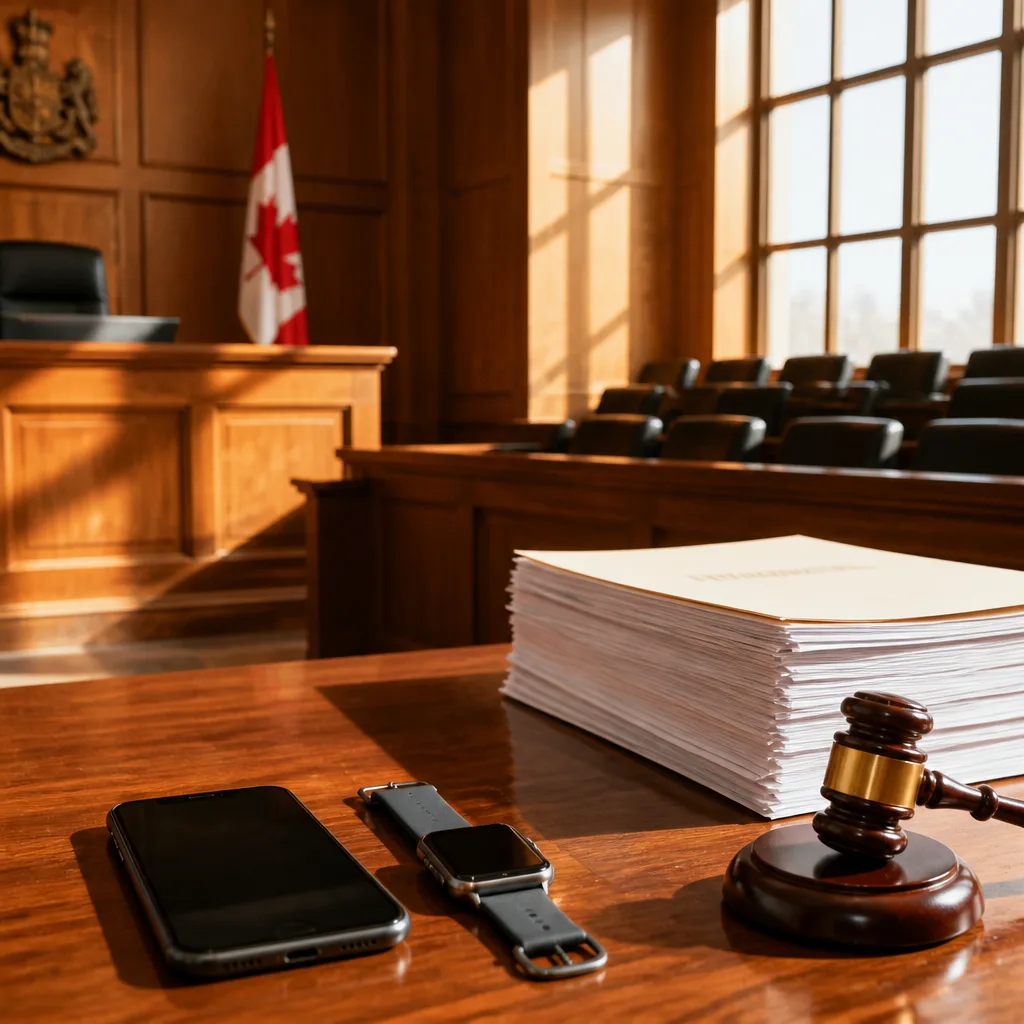
The award stems from Taction’s claims that Apple’s so-called Taptic Engine—the mechanism Apple uses to produce the tapping vibrations in iPhones and Apple Watches—relied on the San Diego company’s patented haptic technology. Taction filed the lawsuit in 2021, and the case has moved through several major rulings since.
- The jury found Apple infringed two Taction patents.
- Apple said it will take the decision to the U.S. Court of Appeals.
- The U.S. Court of Appeals for the Federal Circuit previously revived the case after a 2023 district-court ruling in Apple’s favour.
Apple’s published response to the verdict reiterated the company’s long-standing position that it does not use Taction’s technology and added that it will appeal. The company also said the patents are invalid. Taction’s attorney, Lance Yang, said the jury’s decision vindicated Taction’s patent rights.
"We're happy the jury found for Taction and vindicated its patent rights," said Taction attorney Lance Yang.
What the decision means
This is the largest damages verdict reported in the coverage of the case to date. It raises immediate questions about whether the award will be upheld on appeal and how the courts will calculate damages tied to component-level technology used across millions of consumer devices.
Apple's statement at the time of the verdict emphasised the company's disagreement with the jury's findings and its intent to continue the case through the appeals process. The path forward will most likely include legal challenges over patent validity, infringement findings and the methodology used to assess damages.
| Item | Detail |
|---|---|
| Plaintiff | Taction (San Diego-based) |
| Defendant | Apple Inc. |
| Alleged technology | Haptic feedback used in iPhones and Apple Watches (Taptic Engine) |
| Patents | Two patents found infringed by the jury |
| Lawsuit filed | 2021 |
| Previous rulings | 2023 district ruling for Apple; Federal Circuit revived case last year |
| Verdict | More than US$5.7 billion in damages |
Broader context and consequences
High-dollar patent verdicts often end up being tested in appeals courts, where findings on validity or infringement can be reversed or narrowed. The Federal Circuit’s earlier decision to revive the case demonstrates how procedural and legal questions can reshape litigation long before final damages are collected.
For product makers, verdicts of this size can lead to licensing negotiations, design changes to avoid asserted patent claims, or protracted appeals. For Apple, a sustained large award could affect financial planning and influence how the company manages intellectual property risk for components used across its ecosystem. For Taction, the jury decision represents a vindication of its patent enforcement strategy, but the ultimate outcome hinges on the appellate process.
The case will be closely watched by technology companies and legal teams because it touches on component-level intellectual property used in mass-market devices—an area where small technical differences can have major commercial consequences.