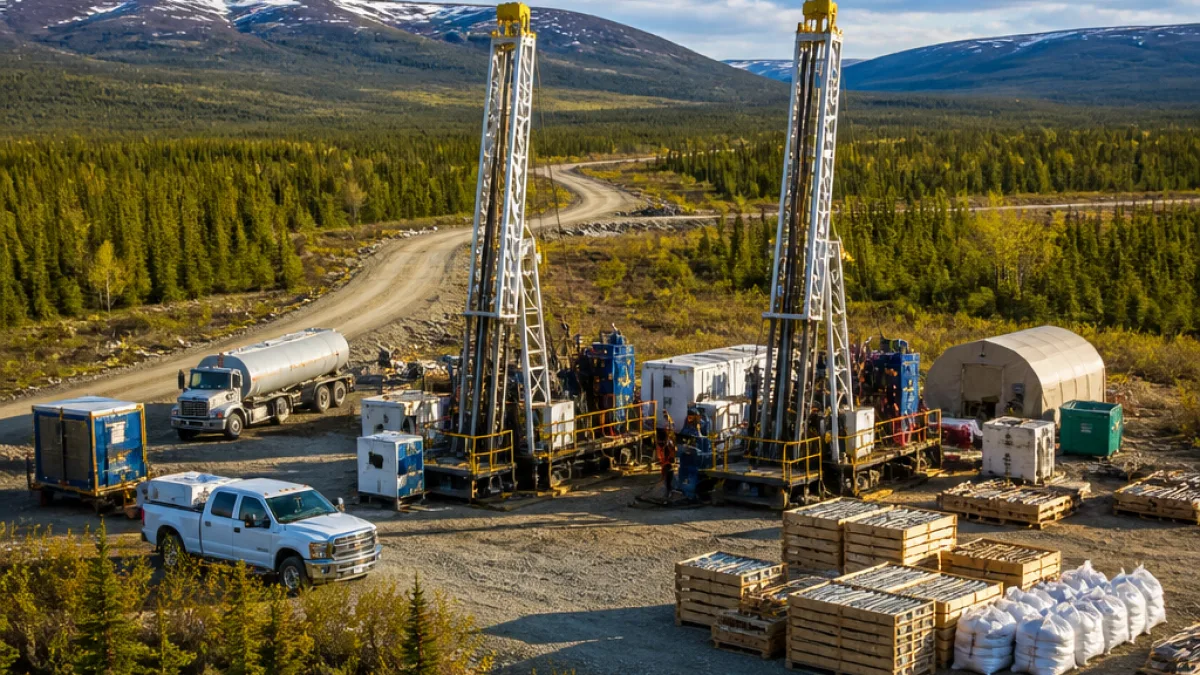
Whitehorse, Yukon — Blue Jay Gold Corp. has mobilized two diamond drills to its Steller Gold Project in southern Yukon as part of a fully funded Phase 1 program that combines modern logging technology with an extensive historical database. The company says the program will test both expansion of known mineralization and new discovery targets, with the first assay results expected toward the end of August.
Why this matters for the Yukon
The Steller project sits on favourable infrastructure for an exploration play: road access places the property about 55 kilometres from Whitehorse, reducing costs and logistical complexity compared with helicopter‑dependent programs. For Yukoners and local stakeholders, that accessibility can translate into more sustained field seasons and the potential for local contracting opportunities during active programs.
Blue Jay has framed the 2026 campaign as a district‑scale effort that leverages both the property’s past work and modern tools. The company highlights a substantial historical record — more than 120,000 metres of historical drilling across the district — which it is re‑interpreting with contemporary methods.
Program details and technical approach
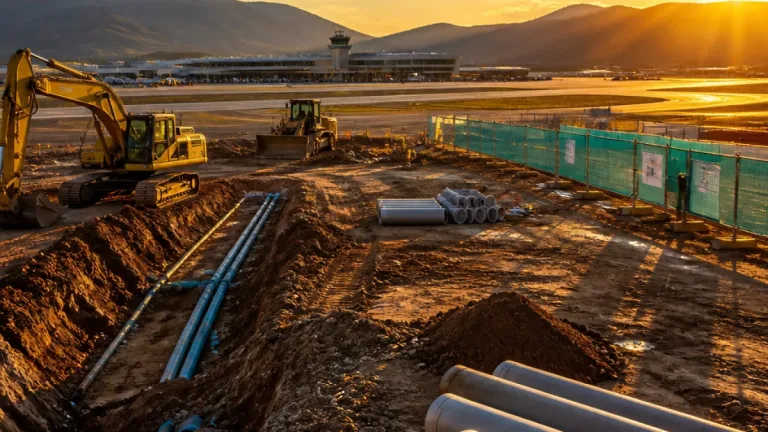
Two rigs are now operating at Steller: one targeting the Mt. Skukum epithermal corridor and the other focused on the Skukum Creek gold‑silver deposit. The 2026 plan includes up to 16,000 metres of diamond drilling and district‑scale modelling that combines legacy data with new real‑time spectral logging.
- Drill count: 2 rigs active
- Planned drilling: up to 16,000 metres
- Historical record: >120,000 metres of past drilling district‑wide; >44,000 metres at Skukum Creek
- Infrastructure: road access, 55 km from Whitehorse
- Market context: supportive gold prices in 2026
Blue Jay is deploying contracted services, including a real‑time spectral logging system, which the company says can accelerate interpretation and help prioritise drill targets on a rolling basis. That approach contrasts with older exploration programs that focused more narrowly on individual deposits.
History beneath the program
Skukum Creek has a long exploration history: prior operators completed over 44,000 metres of drilling at that deposit and undertook more than four kilometres of underground development historically. Mt. Skukum is a past‑producing asset that adds strategic value to the project package.
Blue Jay is applying what it calls a district lens to a property that previously was treated in a more piecemeal way. The company’s strategy aims to expand existing resources while testing regional targets that could add materially to the project’s scale.
Market backdrop and timing
Exploration activity arrives amid a generally strong gold market in 2026. Industry pricing data cited by Blue Jay places the spot price near US$4,376 per ounce, a factor that supports continued investment in high‑quality assets located in stable jurisdictions such as Yukon.
Blue Jay expects to begin releasing assay results late in August, with further results following on a rolling schedule through the rest of the field season. Those early assays will be watched closely by investors and local observers as the first tangible readouts from the program.
| Item | Detail |
|---|---|
| Project | Steller Gold Project (Mt. Skukum corridor, Skukum Creek) |
| Rigs active | 2 |
| Planned drilling | Up to 16,000 m |
| Historical drilling (district) | >120,000 m |
| Skukum Creek historic drilling | >44,000 m |
| Proximity to Whitehorse | 55 km by road |
For Yukon communities, the combination of proven infrastructure and a sizeable historical dataset makes Steller an attractive target for contemporary re‑examination. Companies working in the territory increasingly rely on data synthesis and modern logging to improve targeting efficiency, a trend that can shrink the time between drilling and meaningful results.
Blue Jay’s near‑term timeline — active rigs and anticipated assays within weeks — provides a clear schedule for stakeholders following the project’s progress. As assays begin to arrive, the data will determine whether the current campaign delivers resource growth, upgrades to existing material, or new discoveries that warrant follow‑up work.
Reporting from the field will continue as results are released and additional program details emerge.